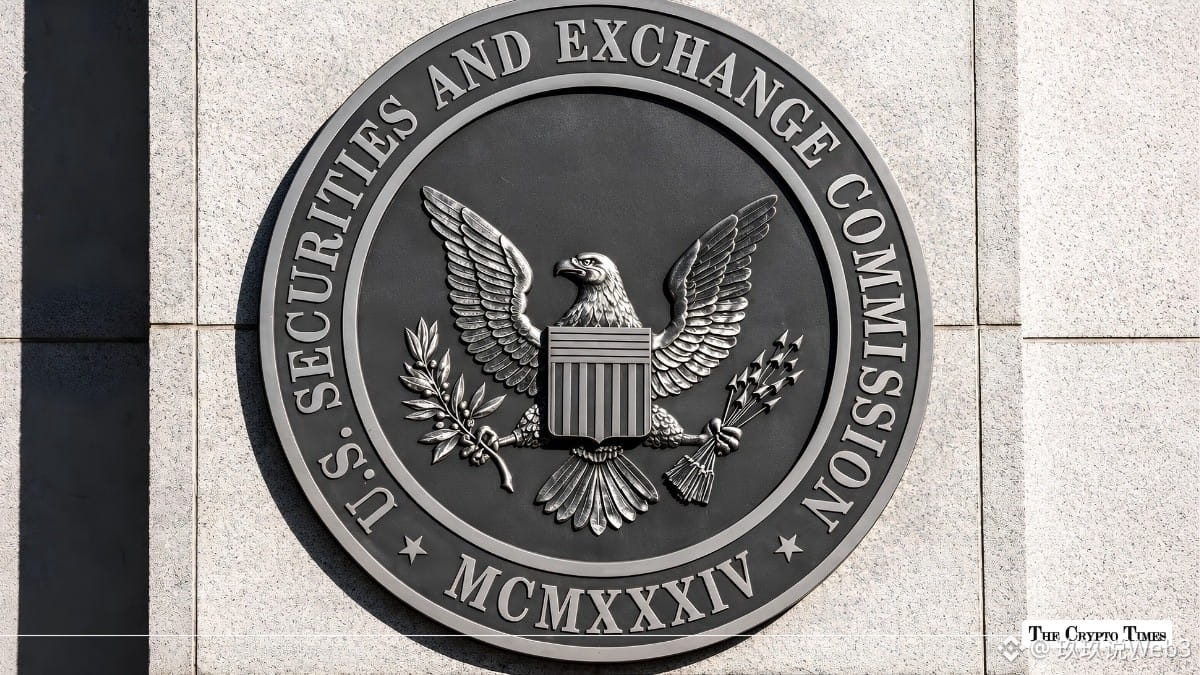
🚨 The U.S. SEC drops a 760-page proposal that rewrites the “who custody holds” issue
Group: 点击进入玖玖的粉丝群
👀 On Thursday, Paul Atkins unveiled new crypto custody rules, for the first time outlining a compliant pathway for investment advisers and regulated funds to hold client assets; note that this document is 760 pages long and opens for a 60-day public comment period.
📊 The most subtle part is the “loophole” inside it: if advisers can’t find a qualified custodian, they may custody client assets themselves, but they must re-verify once per quarter to see whether a custodian is already available; the proposal also allows state-chartered trust companies to act as custodians and requires institutions to fill in documentation, disclosure, and auditing standards.
🔥 In the same week, Hester Peirce—who led the crypto working group—left office on Friday, and the SEC lowered the quorum threshold for forming a statutory number of commissioners from 3 to 2: fewer people, but also a lower bar to get things approved.
💡 What really matters isn’t whether this is “good news or bad news,” but that this 760-page document redraws the responsibility boundaries among brokers, custodians, and funds; once the rules are clearly written, compliance costs follow—smaller and mid-sized institutions may not be able to handle them.
⚠️ Let me say something a bit offensive: once the custody rules truly take effect, the biggest winners won’t be retail investors, but the large institutions that already have the licenses and can afford compliance teams. As for “self-custody,” the condition is that no custodian can be found—most of the time, that sentence really means “you won’t be able to use it.”
👀 Do you think this move is good news or bad news for institutional capital?
Click the avatar to watch the livestream + join the Jiuji chat group to get daily strategies 🚀
#比特币 #加密监管 #institutional capital
Group: 点击进入玖玖的粉丝群
👀 On Thursday, Paul Atkins unveiled new crypto custody rules, for the first time outlining a compliant pathway for investment advisers and regulated funds to hold client assets; note that this document is 760 pages long and opens for a 60-day public comment period.
📊 The most subtle part is the “loophole” inside it: if advisers can’t find a qualified custodian, they may custody client assets themselves, but they must re-verify once per quarter to see whether a custodian is already available; the proposal also allows state-chartered trust companies to act as custodians and requires institutions to fill in documentation, disclosure, and auditing standards.
🔥 In the same week, Hester Peirce—who led the crypto working group—left office on Friday, and the SEC lowered the quorum threshold for forming a statutory number of commissioners from 3 to 2: fewer people, but also a lower bar to get things approved.
💡 What really matters isn’t whether this is “good news or bad news,” but that this 760-page document redraws the responsibility boundaries among brokers, custodians, and funds; once the rules are clearly written, compliance costs follow—smaller and mid-sized institutions may not be able to handle them.
⚠️ Let me say something a bit offensive: once the custody rules truly take effect, the biggest winners won’t be retail investors, but the large institutions that already have the licenses and can afford compliance teams. As for “self-custody,” the condition is that no custodian can be found—most of the time, that sentence really means “you won’t be able to use it.”
👀 Do you think this move is good news or bad news for institutional capital?
Click the avatar to watch the livestream + join the Jiuji chat group to get daily strategies 🚀
#比特币 #加密监管 #institutional capital