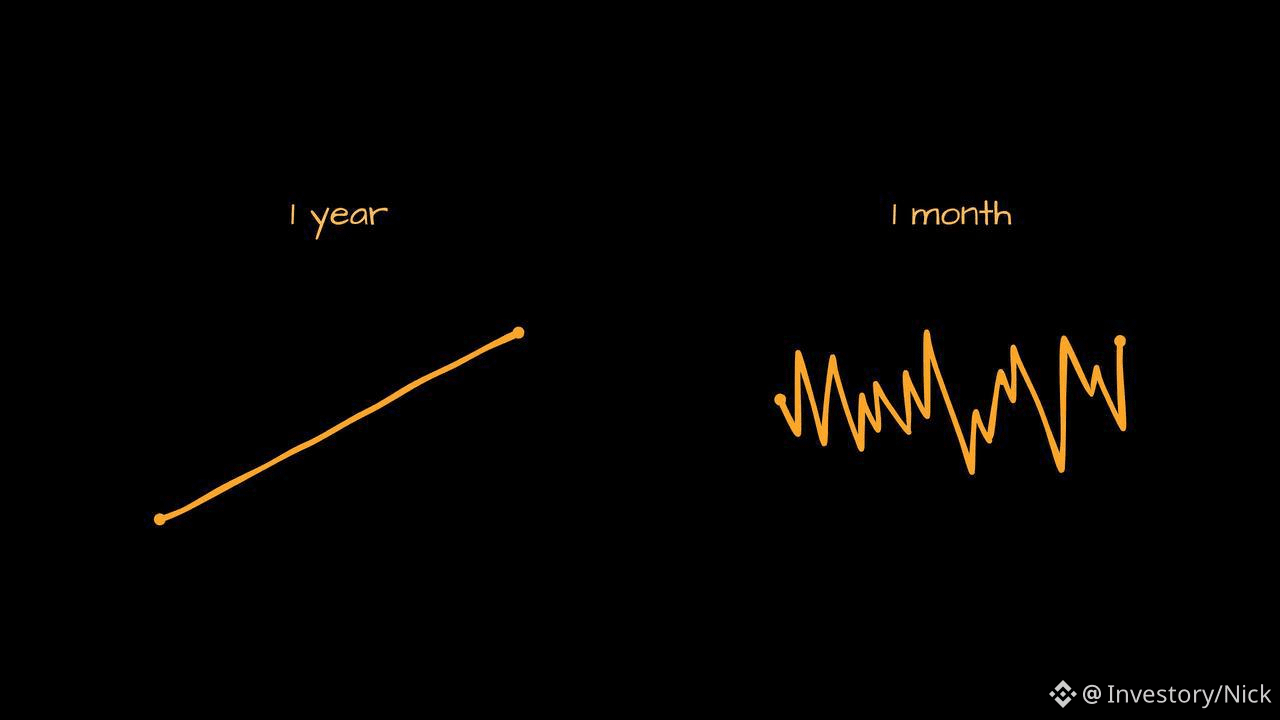
#BTC Price Analysis# Overview of Bitcoin and $ETH I made for you yesterday—please be sure to read it. And now I want to make a series of posts about successful trading. After reading them, you’ll understand what you’re doing wrong 👍 In earlier posts, we looked at the fact that real and successful trading is boring. Because 90% of the time we’re just watching the market, and we only work (open positions, close them, keep a journal, and do analysis) for 10%. Now let’s talk about how not to mess things up between good trades. And honestly, this is the hardest part) Let’s get straight to an example: open my TG channel (link in the description and the pinned message). There I publicly shared my trade on the coins ZRX and LDO. Don’t forget, by the way, to check the review and subscribe. Almost immediately after the purchase, the price went into a correction. You think I’m already running around on charts looking for new trades? No. I calmly wait while the market does its job. Our work is to do the analysis, calculate the position size based on risks, and once you enter the trade, the market takes over. ZRX, for example, is already at the entry price and it’s about to fly into profit 🚀 Just let the market do its job. Don’t close the position when the price fluctuates, and completely turn off your emotions. If the asset price doesn’t move up right after you buy—this is normal. A trade can play out over a week, or 3–6 months, and sometimes even longer. For shorter trades, like futures on $BTC, that’s of course a good fit, but that’s a topic for a separate post. For now, simply learn to be patient and stop making nonsense between good trades—opening random positions just because they didn’t go up right away. There’s one golden phrase by Warren Buffett: "The market is a device for transferring money from the impatient to the patient"🔥 Which group of people to belong to—it's up to you. We’ll continue in the next post, where I’ll explain how to create a trading strategy. Continue? ❤️ P.S. In the picture is an example of how the asset’s price moves over a month and over a year. Patience is the key to success.