

MAYA_
41k Posts

MAYA_
 Square Verified+
Alhamdulillah always and forever.
Frequent Trader
4 Years
1.1K+ Following
46.9K+ Followers
203.0K+ Liked
Posts
All
Quotes
Videos
Live
PINNED

Abdul Moiz 16
·
--
what's :
4+3=?
4+3=?
NVDAUS+1.45%

AM-Capital
·
--
🎁🎁🎁A little crypto surprise for the community.
Be quick, claim yours before it’s gone! 🎁🎁🎁
#BinanceSquare #RedPacket #Crypto
Be quick, claim yours before it’s gone! 🎁🎁🎁
#BinanceSquare #RedPacket #Crypto
NVDAUS+1.45%

Muzamil Abbas⁷⁵ 穆扎米尔_阿巴斯
·
--
Bullish$BROCCOLI714
BROCCOLI COIN GIVEAWAY! 🎁🔥
Ready for some $BROCCOLI? 👀
I’m giving away BROCCOLI COIN to lucky winners! 🚀
❤️ Like this post
🔄 Repost
💬 Comment 1
👤 Follow me
Good luck everyone
#BROCCOLI #Giveaway #Binance #Crypto
#MuzammilAbbas⁷⁵穆扎米拉巴斯
BROCCOLI COIN GIVEAWAY! 🎁🔥
Ready for some $BROCCOLI? 👀
I’m giving away BROCCOLI COIN to lucky winners! 🚀
❤️ Like this post
🔄 Repost
💬 Comment 1
👤 Follow me
Good luck everyone
#BROCCOLI #Giveaway #Binance #Crypto
#MuzammilAbbas⁷⁵穆扎米拉巴斯


Deepak_XBT
·
--
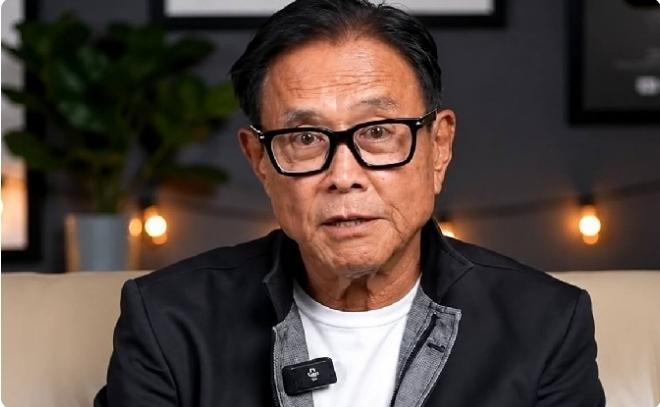
Robert Kiyosaki’s latest Bitcoin argument is less about getting rich and more about financial preparation.
He compared owning Bitcoin, gold and silver to having car insurance: you don’t buy insurance because you expect an accident, but because you want protection if something goes wrong.
His key point: governments can print more currency, potentially reducing purchasing power over time. Bitcoin’s 21 million supply cap is why he prefers it as an asset that cannot simply be printed.
But there’s an important caveat: limited supply doesn’t guarantee price stability. BTC can still fall sharply when demand weakens.
Kiyosaki also points to oil wells and rental properties as income-generating assets.
For me, the interesting question is:
Is Bitcoin becoming a form of financial insurance, or is it still primarily a risk asset?
He compared owning Bitcoin, gold and silver to having car insurance: you don’t buy insurance because you expect an accident, but because you want protection if something goes wrong.
His key point: governments can print more currency, potentially reducing purchasing power over time. Bitcoin’s 21 million supply cap is why he prefers it as an asset that cannot simply be printed.
But there’s an important caveat: limited supply doesn’t guarantee price stability. BTC can still fall sharply when demand weakens.
Kiyosaki also points to oil wells and rental properties as income-generating assets.
For me, the interesting question is:
Is Bitcoin becoming a form of financial insurance, or is it still primarily a risk asset?
AAPLUS+0.95%

BLOCK Rayne
·
--
🎁🎁Reply today to receive the red envelope 🎁🎁$SOL
🌹Thank you for helping to share and spread the word THS🌹
🌹Thank you for helping to share and spread the word THS🌹

king Gulfam
·
--
Bullish#FutureTradingSignals
Are you ready to earn with me?
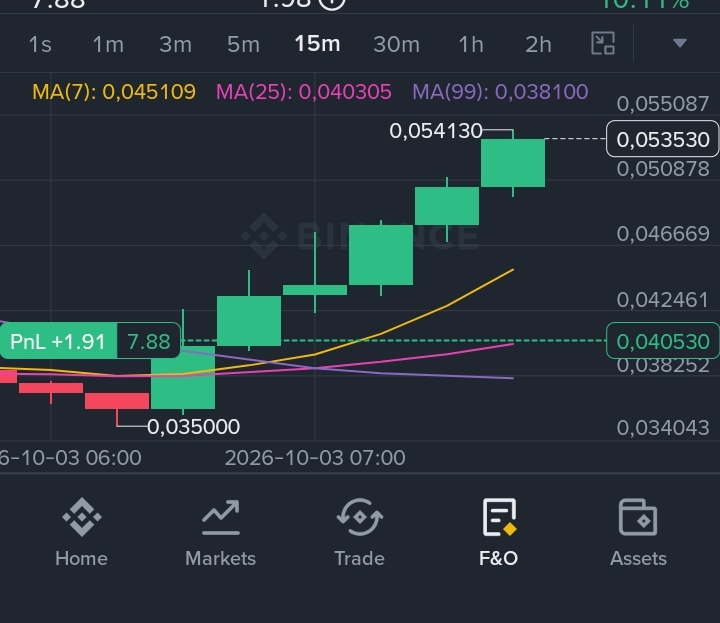
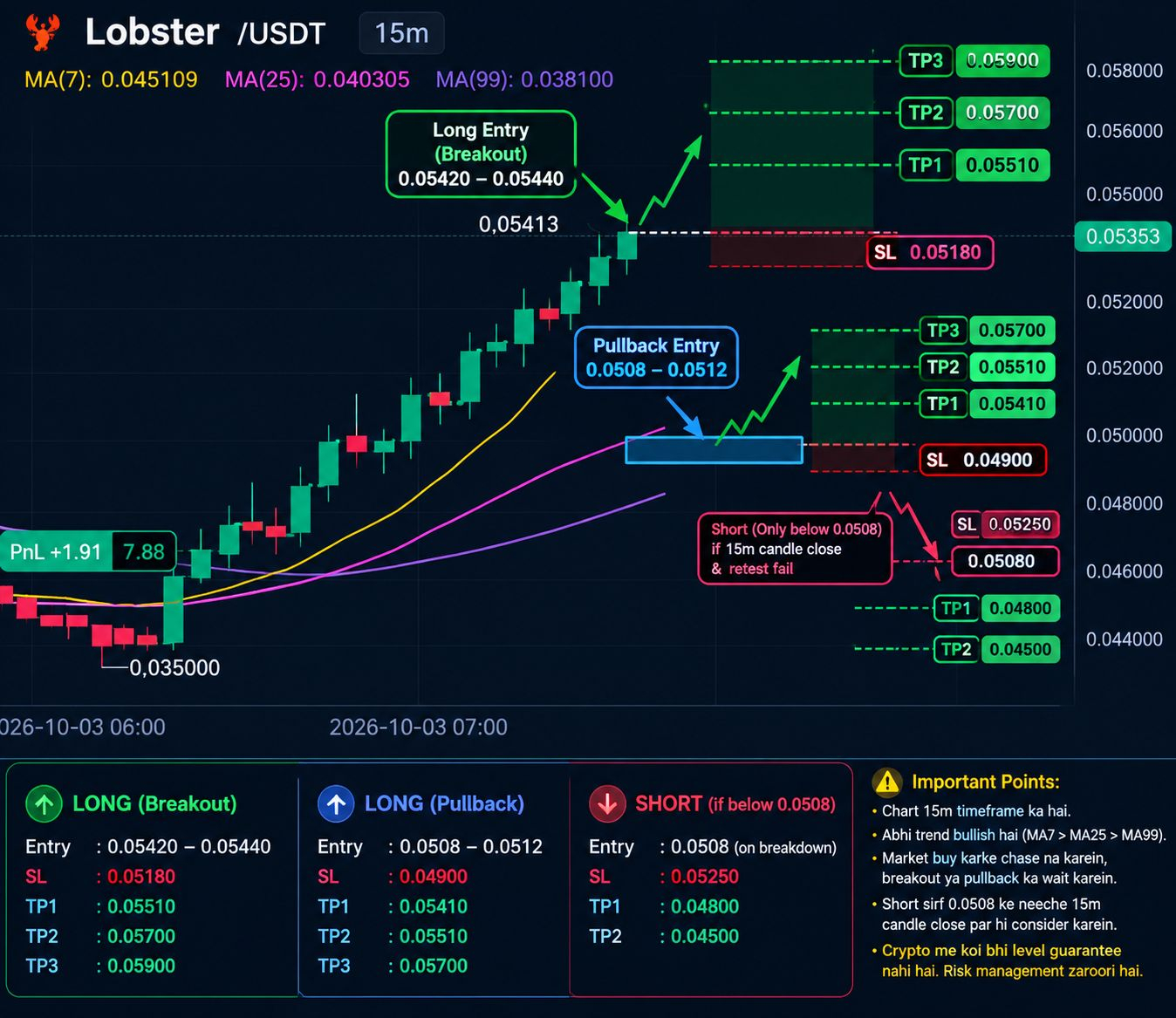
@龙虾 /USDT — again, a pullback
📈 Long setup
Breakout Entry: 0.05420–0.05440, wait for a 15m candle close above
SL: 0.05180
TP1: 0.05510
TP2: 0.05700
TP3: 0.05900
🔄 Pullback entry
If the price retraces to 0.0508–0.0512, then finds support and forms a bullish candle, a long entry may be comparatively better-defined.
SL: 0.0490
TP: 0.0541 → 0.0551 → 0.0570
Short: Taking a short directly right now looks like a weak setup on the chart. A short would be considered only when you get a 15m candle close below 0.0508 and the retest fails.
$龙虾
$SUI
$MAGMA
Are you ready to earn with me?
@龙虾 /USDT — again, a pullback
📈 Long setup
Breakout Entry: 0.05420–0.05440, wait for a 15m candle close above
SL: 0.05180
TP1: 0.05510
TP2: 0.05700
TP3: 0.05900
🔄 Pullback entry
If the price retraces to 0.0508–0.0512, then finds support and forms a bullish candle, a long entry may be comparatively better-defined.
SL: 0.0490
TP: 0.0541 → 0.0551 → 0.0570
Short: Taking a short directly right now looks like a weak setup on the chart. A short would be considered only when you get a 15m candle close below 0.0508 and the retest fails.
$龙虾
$SUI
$MAGMA
NVDAUS+1.45%

@周周1688
is speaking[LIVE] 🎙️ Trade live and DCA BNB!
4.1k listens


Log in to explore more content