


Written by: Gandalf, Techub News
Key takeaways
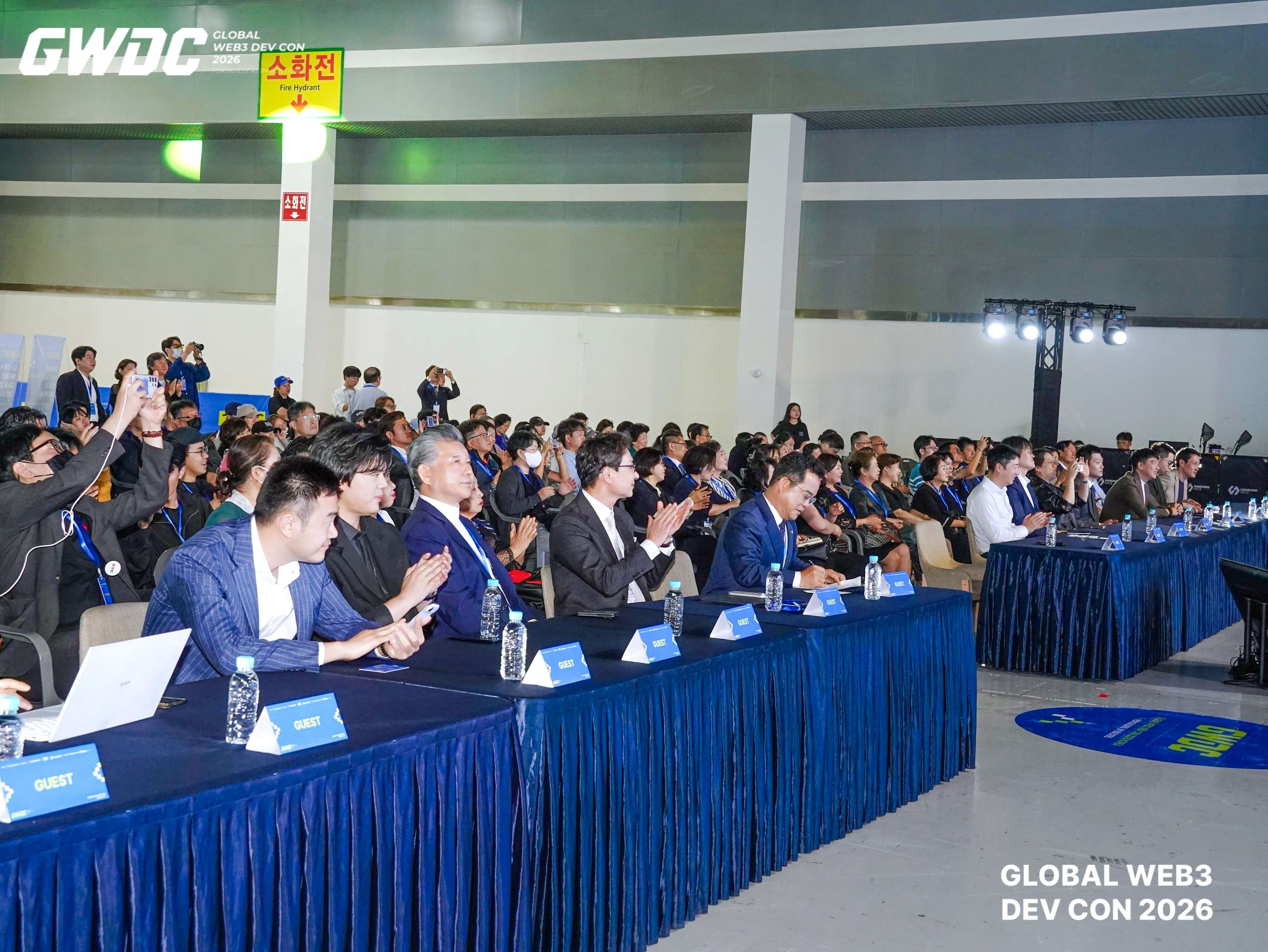
GWDC 2026 Korea entered its second day on September 30. The day’s programming is organized around three main threads: Tokenization itself is no longer the main issue; after assets are put on-chain, the real challenges are liquidity, interoperability, and distribution. Stablecoins are shifting from being trading tools to becoming a payment infrastructure—multiple guests see payments between AI agents as the next catalyst. AI makes it easier to build products; competition among early projects is shifting toward distribution capability, real traction, and a clear path to profitability.
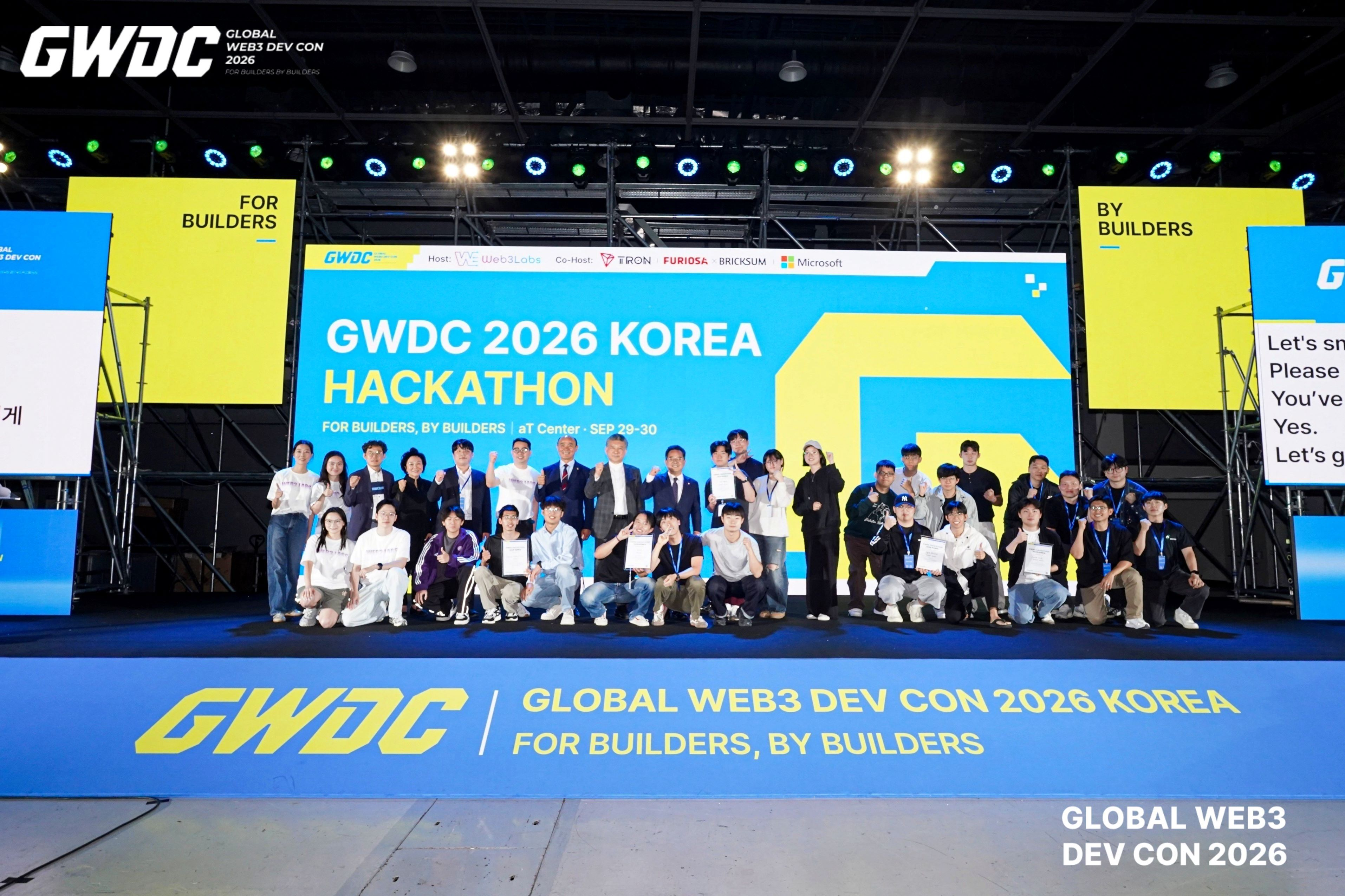
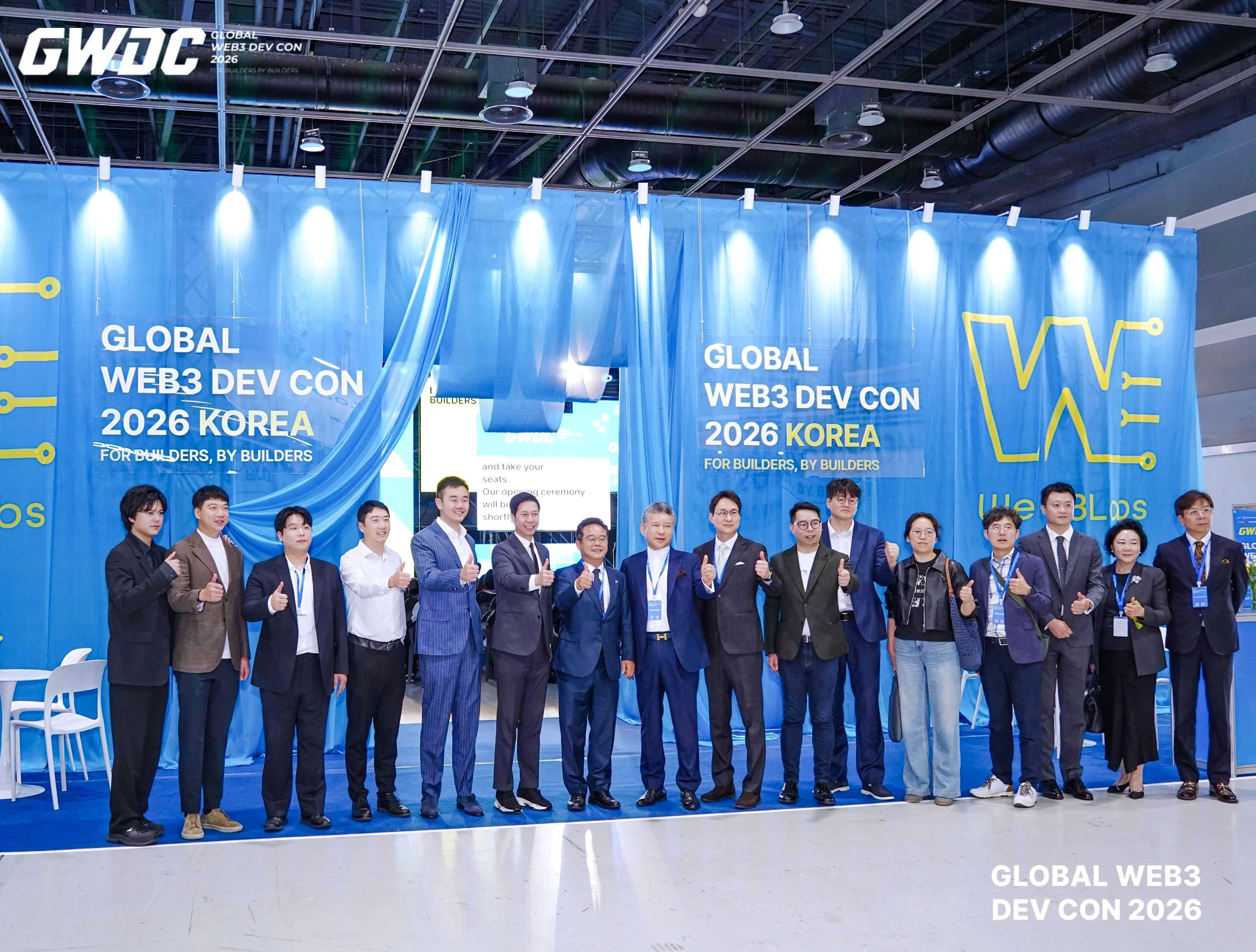
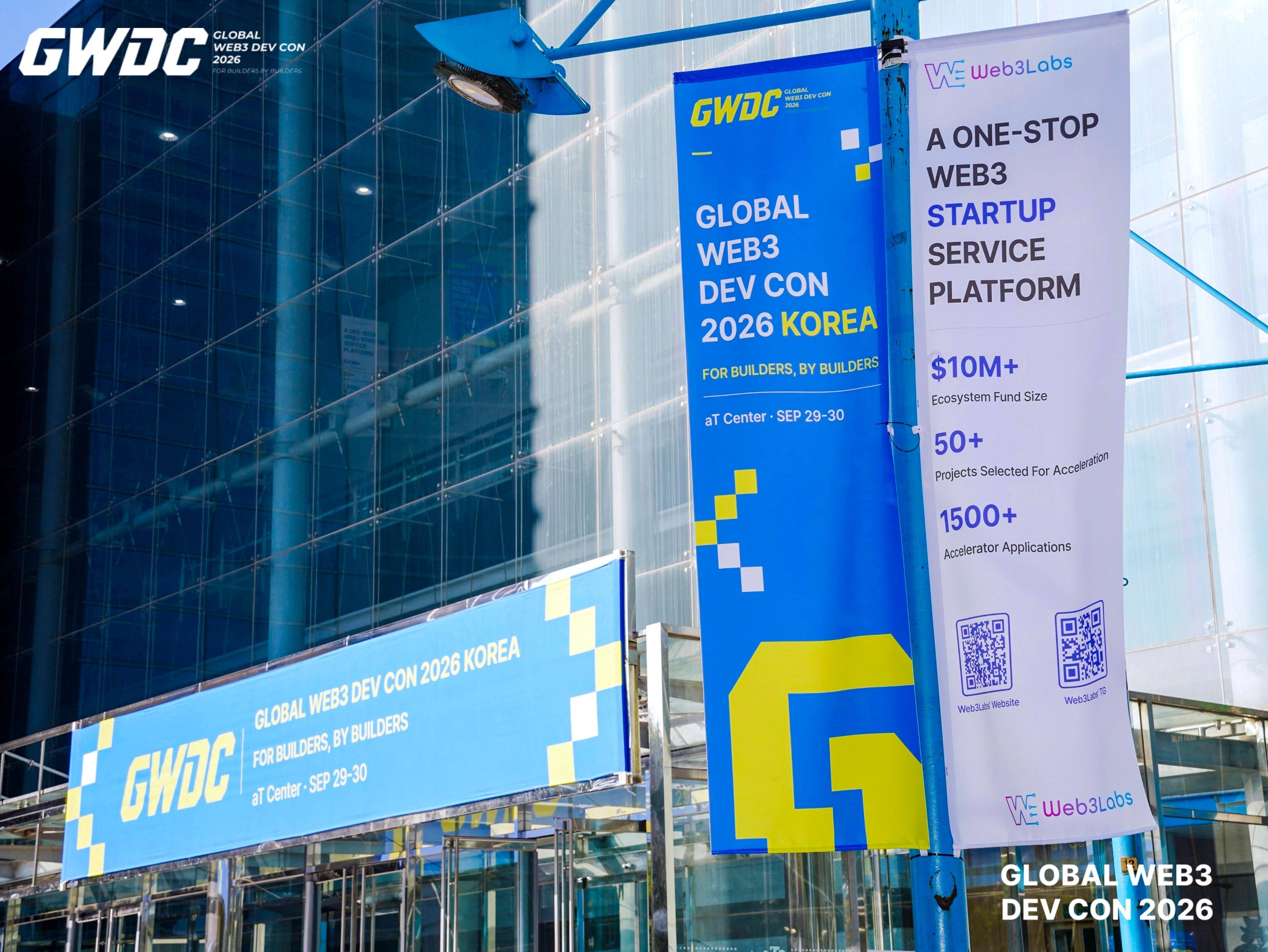
GWDC 2026 Korea (Global Web3 Dev Con 2026 Korea) was held in Seoul, Korea, at the aT Center from September 29 to 30, 2026. The conference was hosted by Web3Labs, and co-hosted by Techub News, HypaiLabs, and TokenPost, under the theme “For Builders, By Builders.” The next day’s agenda included more than a dozen thematic keynote speeches, two fireside chats, and three roundtable discussions, with a 48-hour hackathon also concluding that day.
Opening: Web3Labs talks again about stablecoins and AI agents
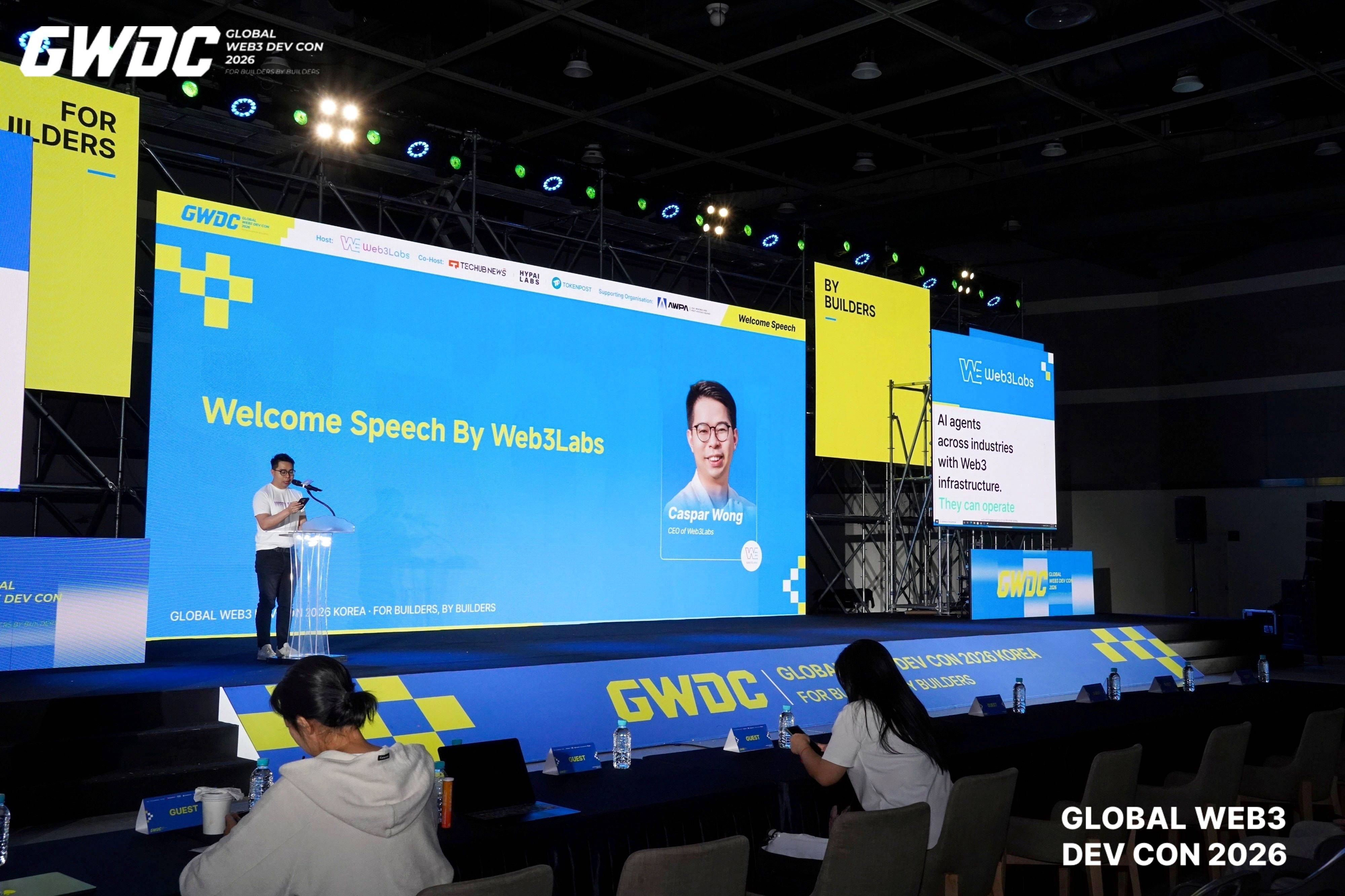
In his welcome remarks on the second day, Caspar Wong, CEO of Web3Labs, said that Web3 and AI are major opportunities for the future. Web3Labs focuses on two directions. First, stablecoins: places such as South Korea and Hong Kong are leading regulation with clear licensing frameworks. Stablecoins are far more than just trading tools now—they can support fast, low-cost cross-border payments, and may even become the payment layer for small transactions between AI agents. Second, AI agents: the industry is moving from simple AI tools to AI agents that can represent users in planning, executing tasks, and completing trades.
After assets are put on-chain: liquidity, interoperability, and capital efficiency
All the keynote sessions in the morning are answering the same question: what happens after assets are put on-chain.
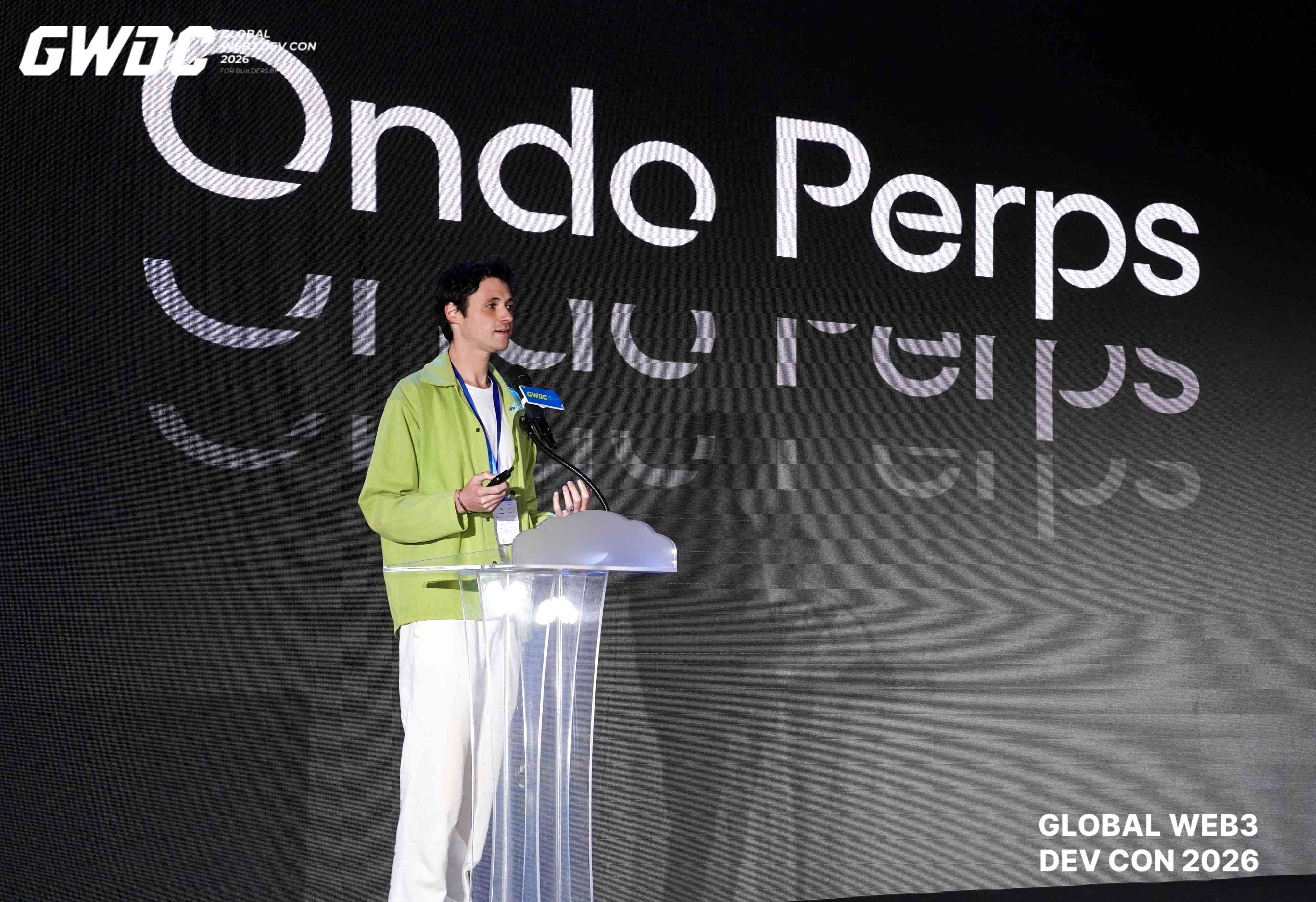
Matthew Blummberg, head of DeFi at Ondo Finance, said that the share of RWA perpetual contracts in global perpetual DEX trading volume has risen from about 1.3% at the beginning of the year to 31% in August. However, the collateral on existing platforms is mostly stablecoins that do not generate yield, resulting in low capital efficiency that hinders traditional financial institutions from using them. Matthew Blummberg introduced that Ondo Perps allows margin to be posted using tokenized stocks, ETFs, and government bonds.
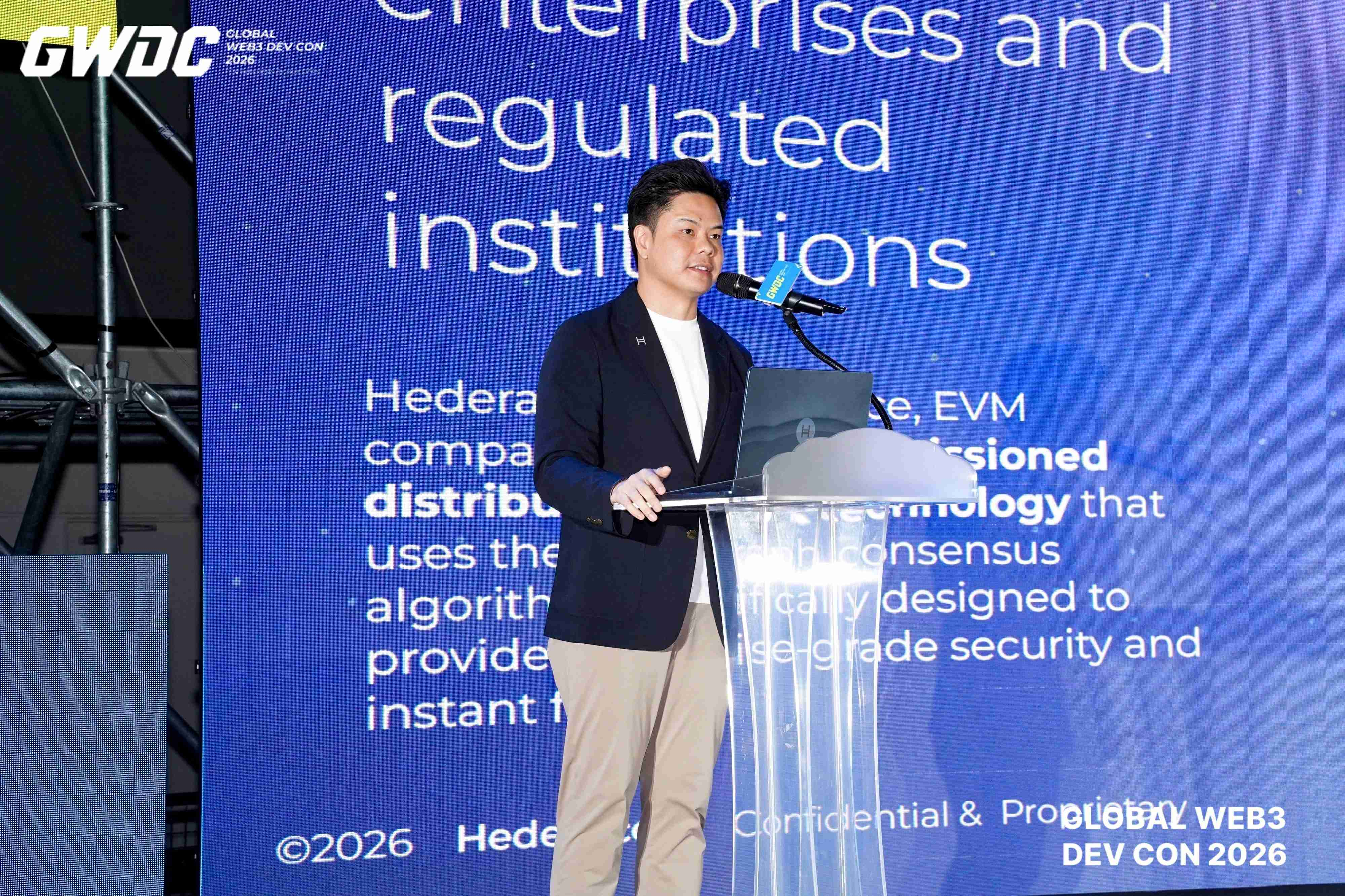
Hashgraph Executive Director Jeffrey Tchui pointed out that once an asset is issued on a particular chain, it gets trapped on that chain. He said that existing cross-chain bridges transfer assets by locking and wrapping, creating a single point of failure. Jeffrey Tchui introduced CLPR, a cross-ledger protocol launched by Hashgraph, saying it completes verification based on existing state proofs from each chain, with no custodianship and no locking of any assets.
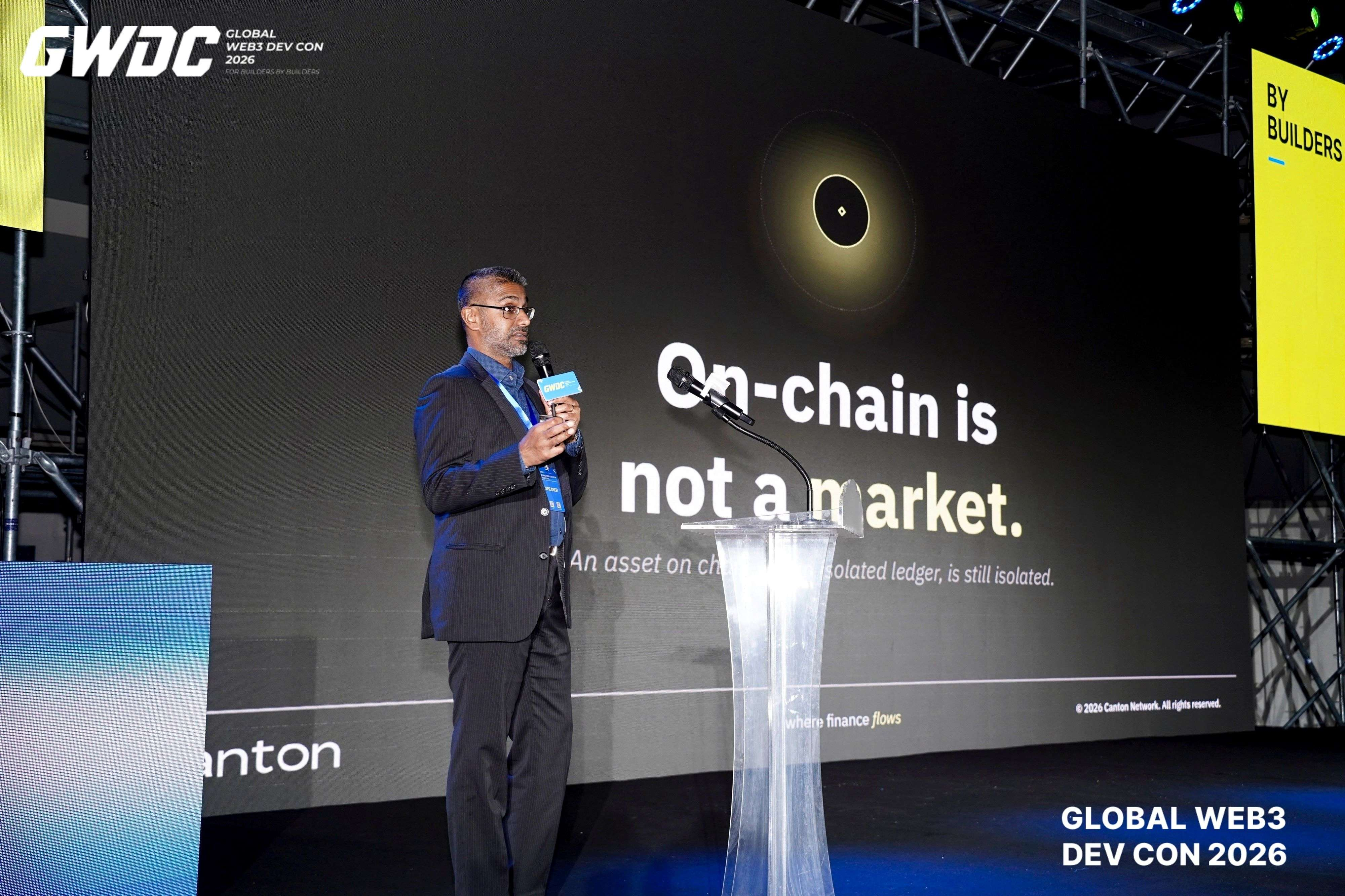
In the afternoon, Viv Diwakar, head of Canton Foundation, offered a similar judgment: putting assets on-chain is just changing their location; only connecting them is the market. Viv Diwakar said that institutions choosing different networks should be viewed as sovereignty rather than fragmentation. He added that the future is “a network of networks,” and pointed out the cost of not being connected—including large amounts of capital staying in pre-funded accounts, and collateral having only 48 hours in working time.
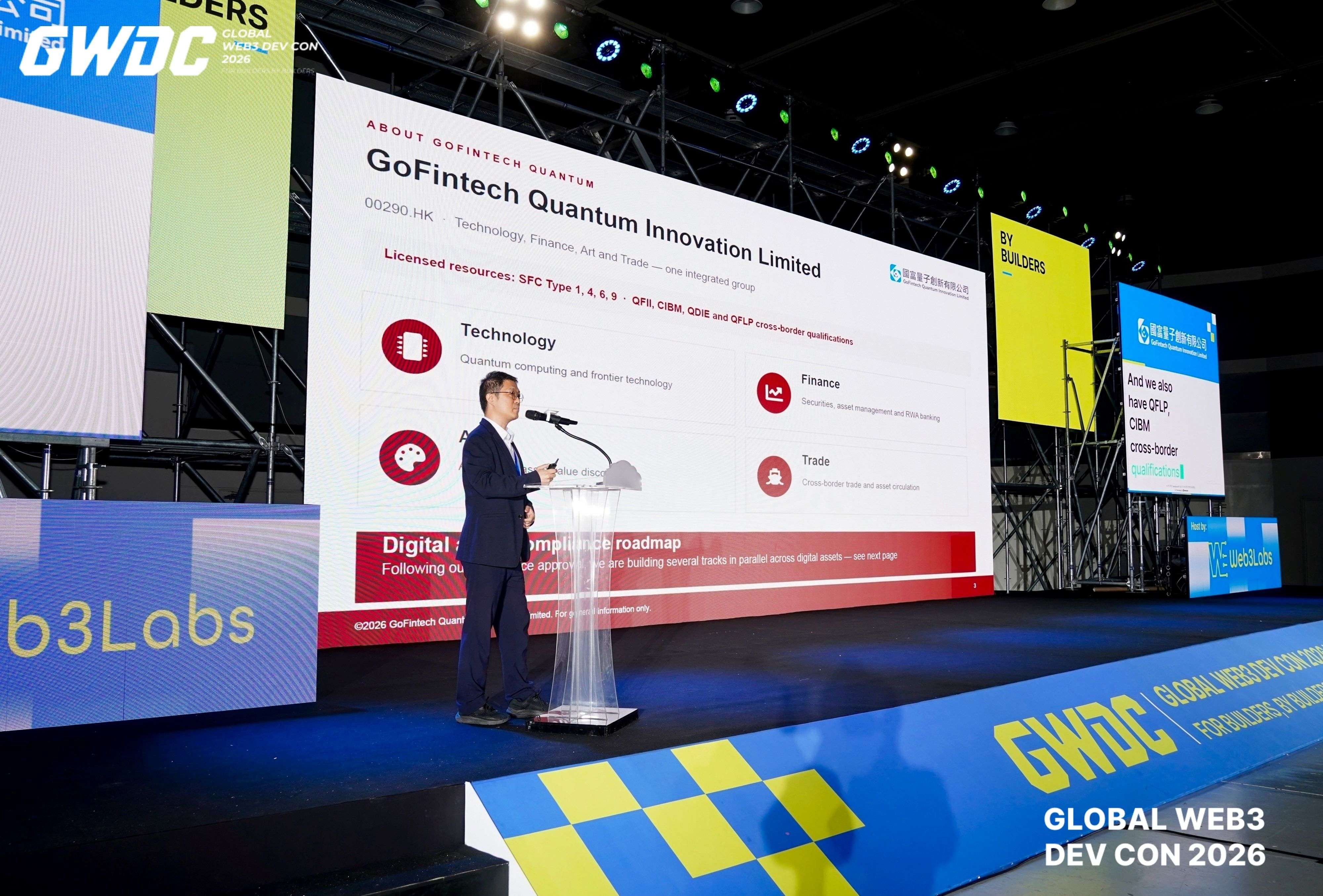
Charles Zeng, global head of digital assets at GoFintech Quantum Innovation, used an RWA project for a Canadian oil and gas asset to explain how energy assets can be tokenized. Charles Zeng believes that if tokenized units remain only in funds, liquidity is extremely limited. Compliance in Hong Kong is just the starting point; exchanges are the key final step for liquidity.
Stablecoin payments and tokenized stocks
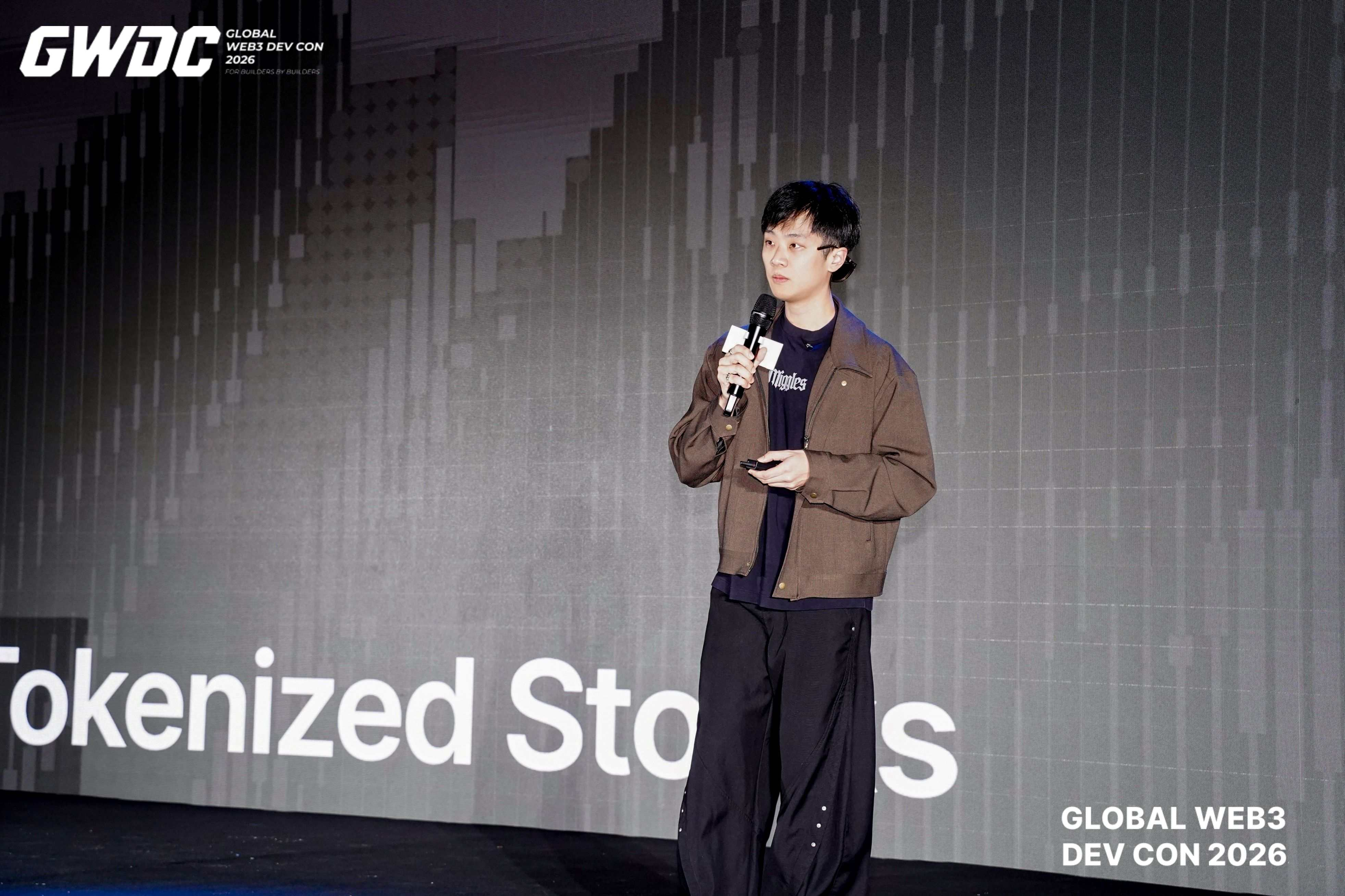
Nick See Tong, head of Base for Asia Pacific, said that Base positions itself as “the blockchain for global finance.” In the micro-payment protocol x402 for AI agents, Base accounts for about 90% of the share, and non-USD stablecoin share exceeds half. Nick See Tong also introduced tokenized stocks issued by Coinbase. Holders have voting rights and dividend rights, and they can use them as collateral to borrow liquidity.
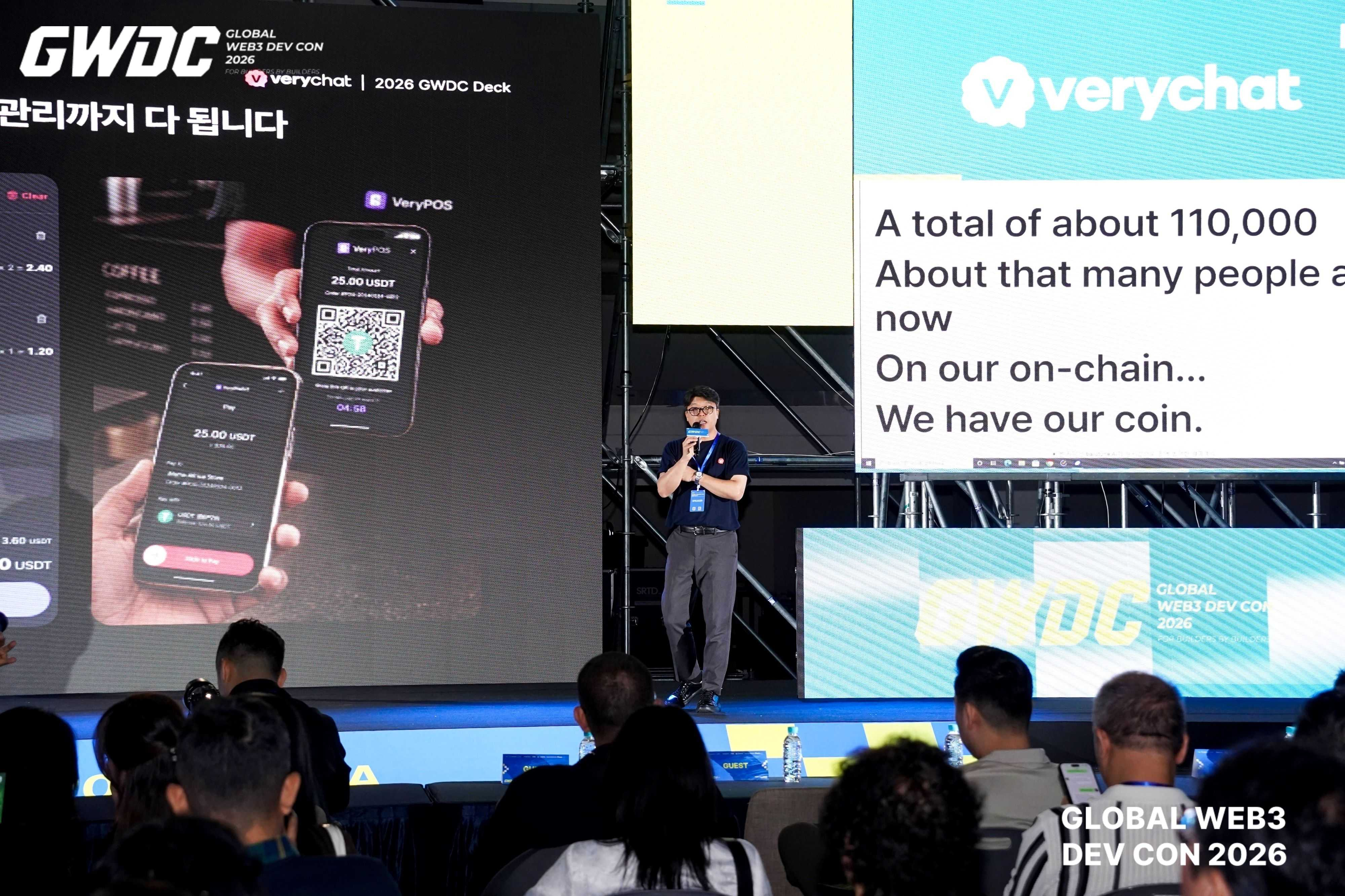
Ko Kwang-hyun, founder of VERY LABS, introduced how stablecoin payments are carried through the chat app Verychat. Ko Kwang-hyun said that cryptocurrencies are still too hard to use. The company is developing a system that allows merchants to receive payments using only a mobile phone, without the need for a dedicated terminal. Merchants would not need a bank account or审核 (approval/review).
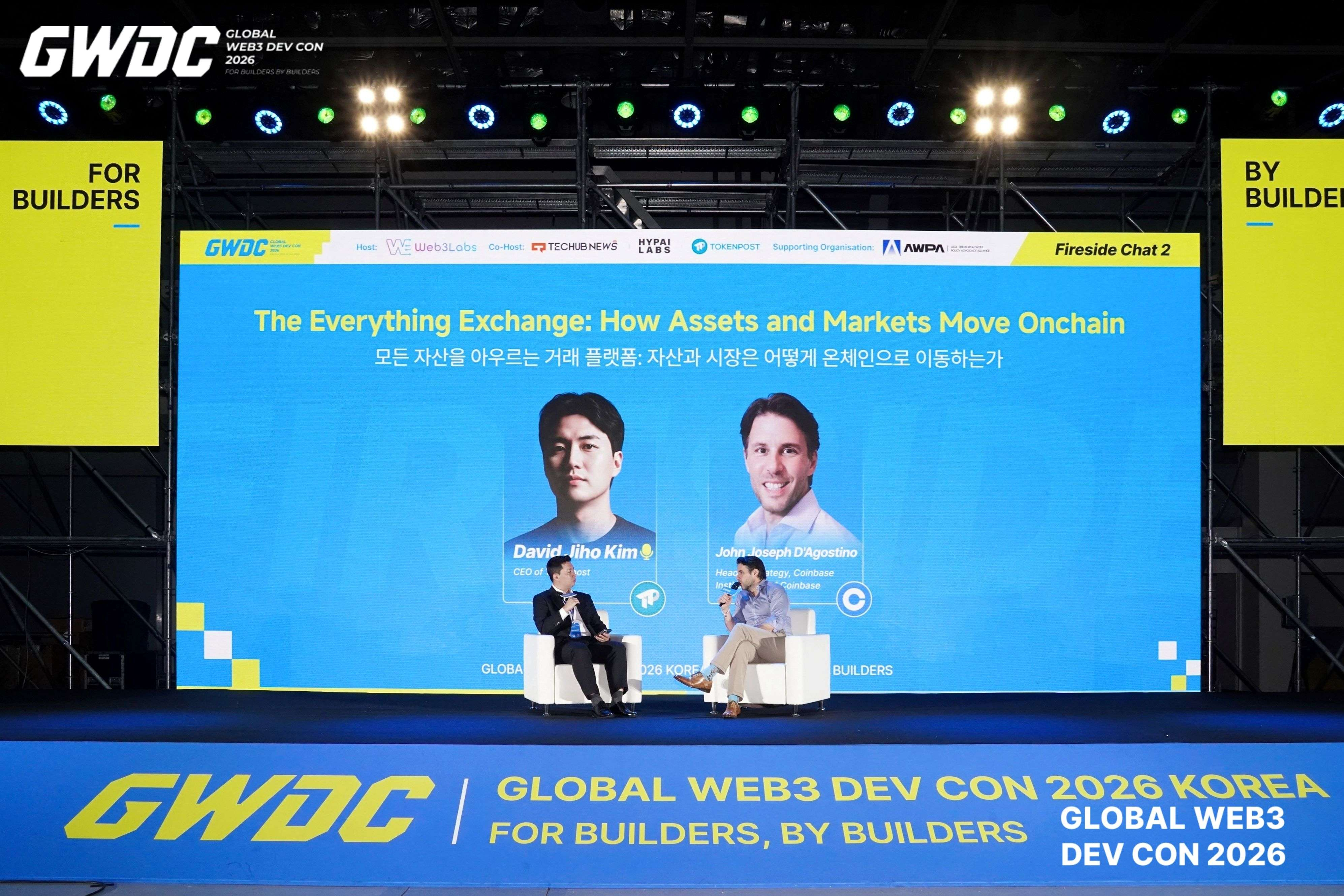
Two fireside chats also centered on this theme. In a conversation hosted by David Jiho Kim, CEO of TokenPost, John Joseph D'Agostino, strategic lead at Coinbase Institutional, said the crypto industry needs to create reasons for “compulsory adoption” that are independent of asset prices, and he expects that stablecoins will be used by ordinary people within three to five years, just like everyday transfer tools. In a conversation hosted by Eugenie Lee, founder and CEO of 21eepover, Ryan Fang, co-founder of WLFI, believes regulated stocks are best suited for being tokenized first. He wants to see assets from South Korea and Hong Kong, while stablecoins are the channel through which global capital enters on-chain assets.
AI on two ends: applications and chips
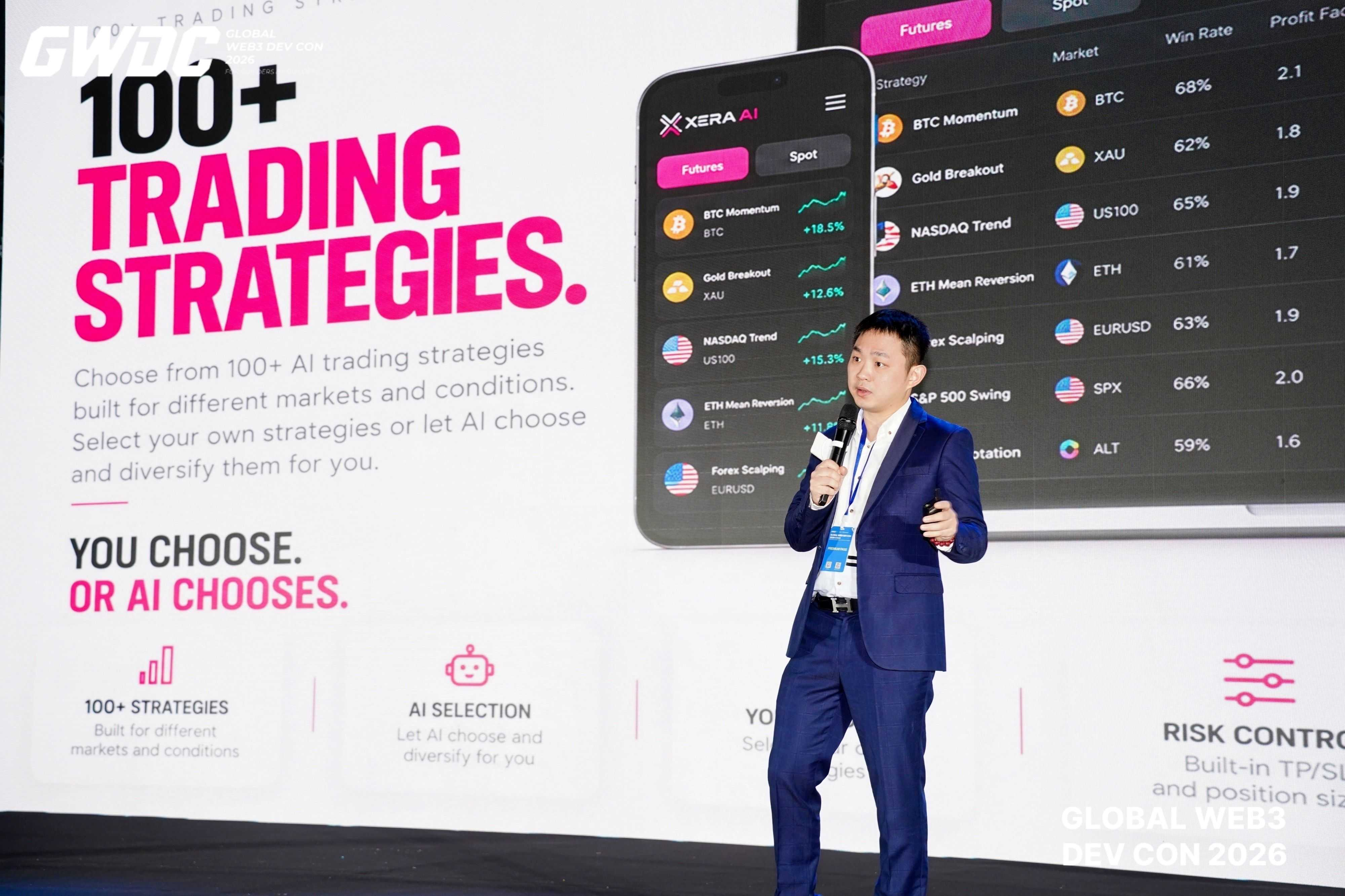
Jason Wong, founder and CEO of XERA Ai, introduced XERA AI, an AI trading product. He said it is an integrated system composed of five types of AI—market, news, K-lines, strategies, and risk—so it watches the market for users around the clock.
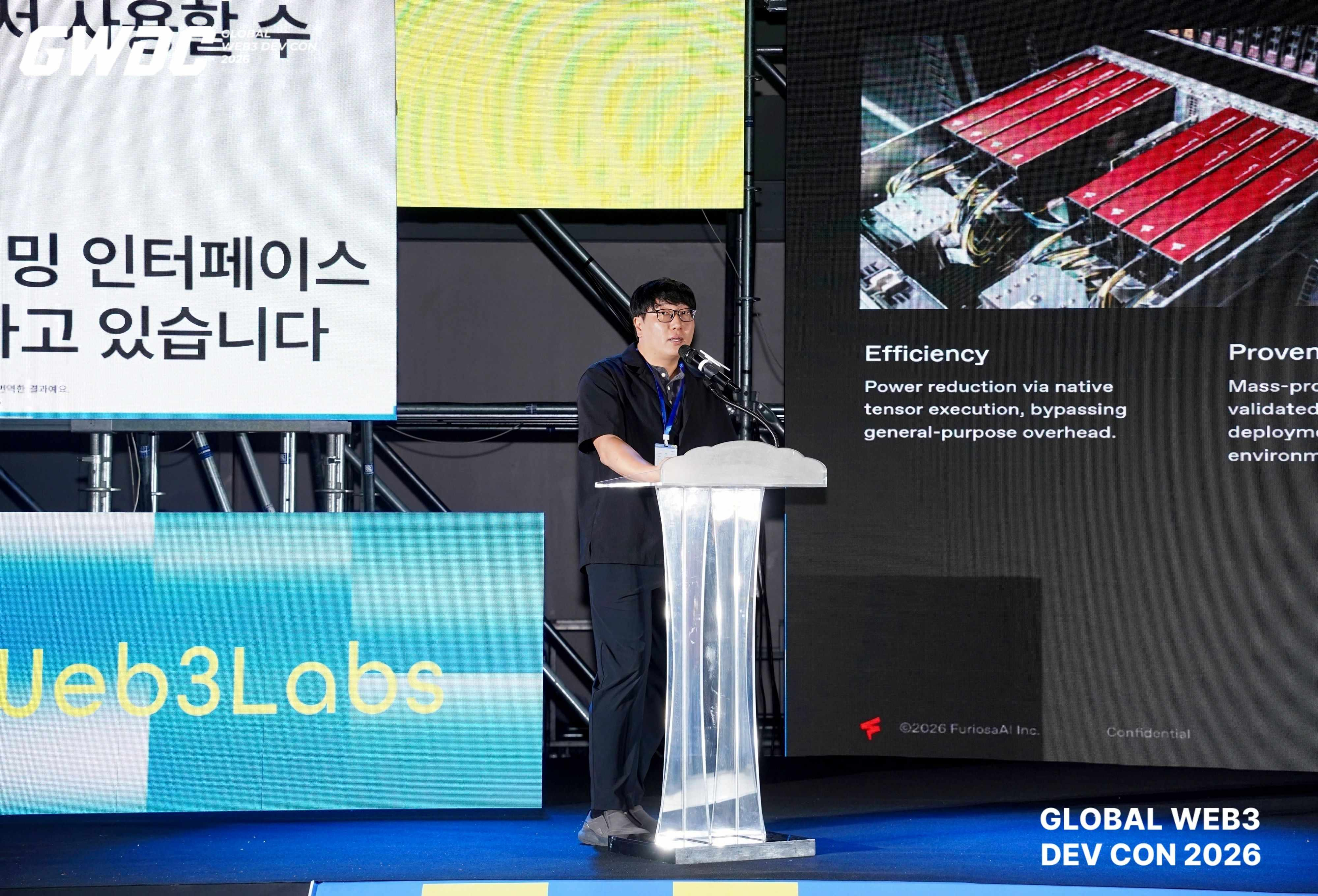
FuriosaAI Managing Director Jung Young-beom shared from the hardware side. Jung Young-beom said the company’s second-generation inference chip RNGD has been in mass production since January this year. With similar performance, power consumption is about half that of comparable GPU systems, and he expects that by 2030, around 70% of new global data centers will be used for inference.
Roundtable: From ETFs to Tokens
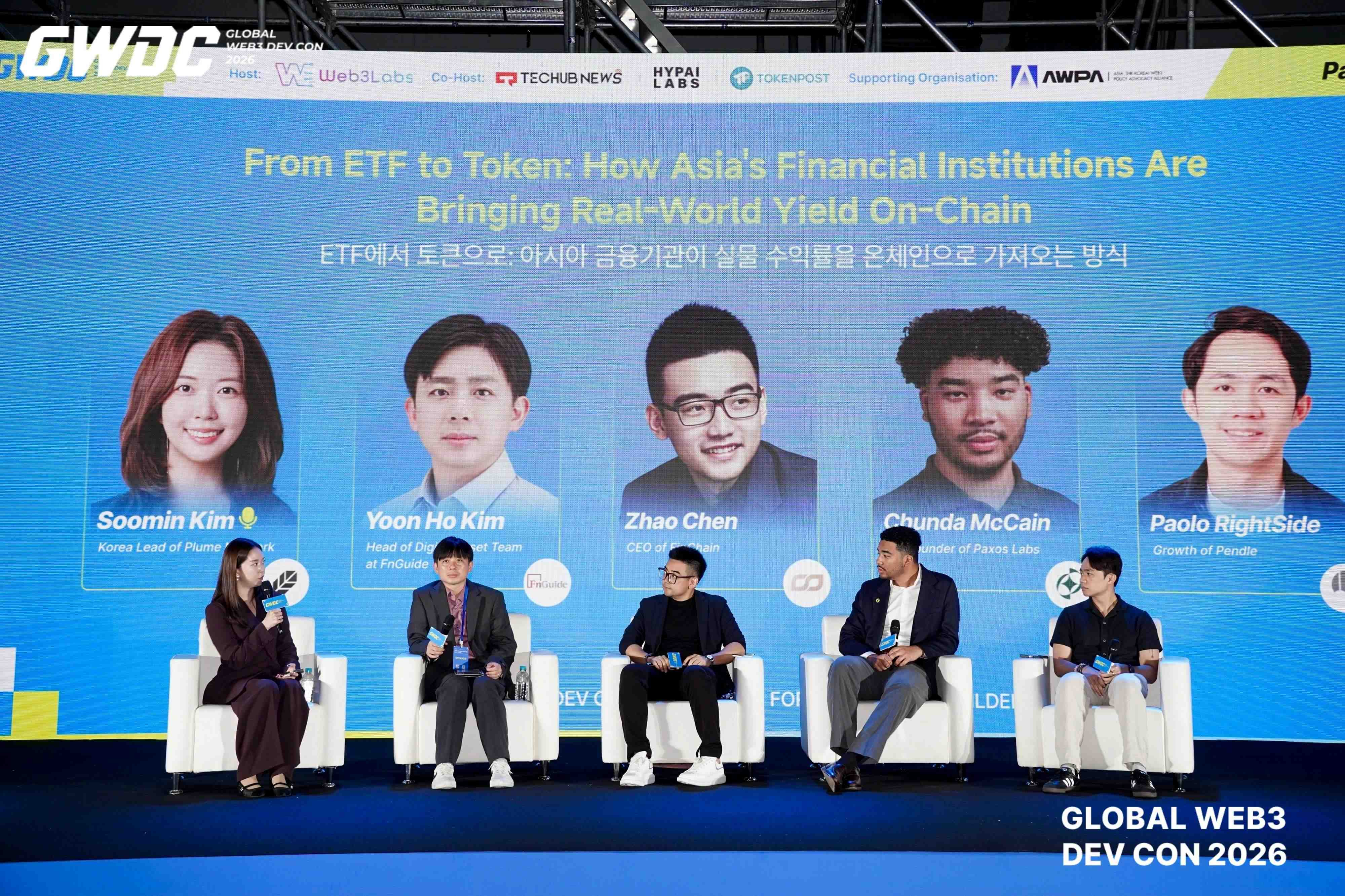
At the roundtable “From ETF to Token: How Asia's Financial Institutions Are Bringing Real-World Yield On-Chain,” hosted by Soomin Kim, Korea head of Plume Network, the four guests reached a consensus: tokenization itself is only technology; the real issue is distribution.
Chunda McCain, co-founder of Paxos Labs, said that the focus of RWA has shifted from issuance to usage. Issuance is only the first step; distribution is the rest of the entire journey. Yoon Ho Kim, head of digital assets at FnGuide, said that without a credible pricing benchmark, institutional capital is not easy to enter. Zhao Chen, CEO of FinChain, pointed out that falling on-chain yields are driving capital to look for yield exposure in traditional finance. Paolo RightSide from Pendle’s growth team said that some family offices have started asking how to put funds on-chain.
Two roundtable discussions on builders and investors
The two roundtables in the afternoon shifted the discussion toward products and investment.
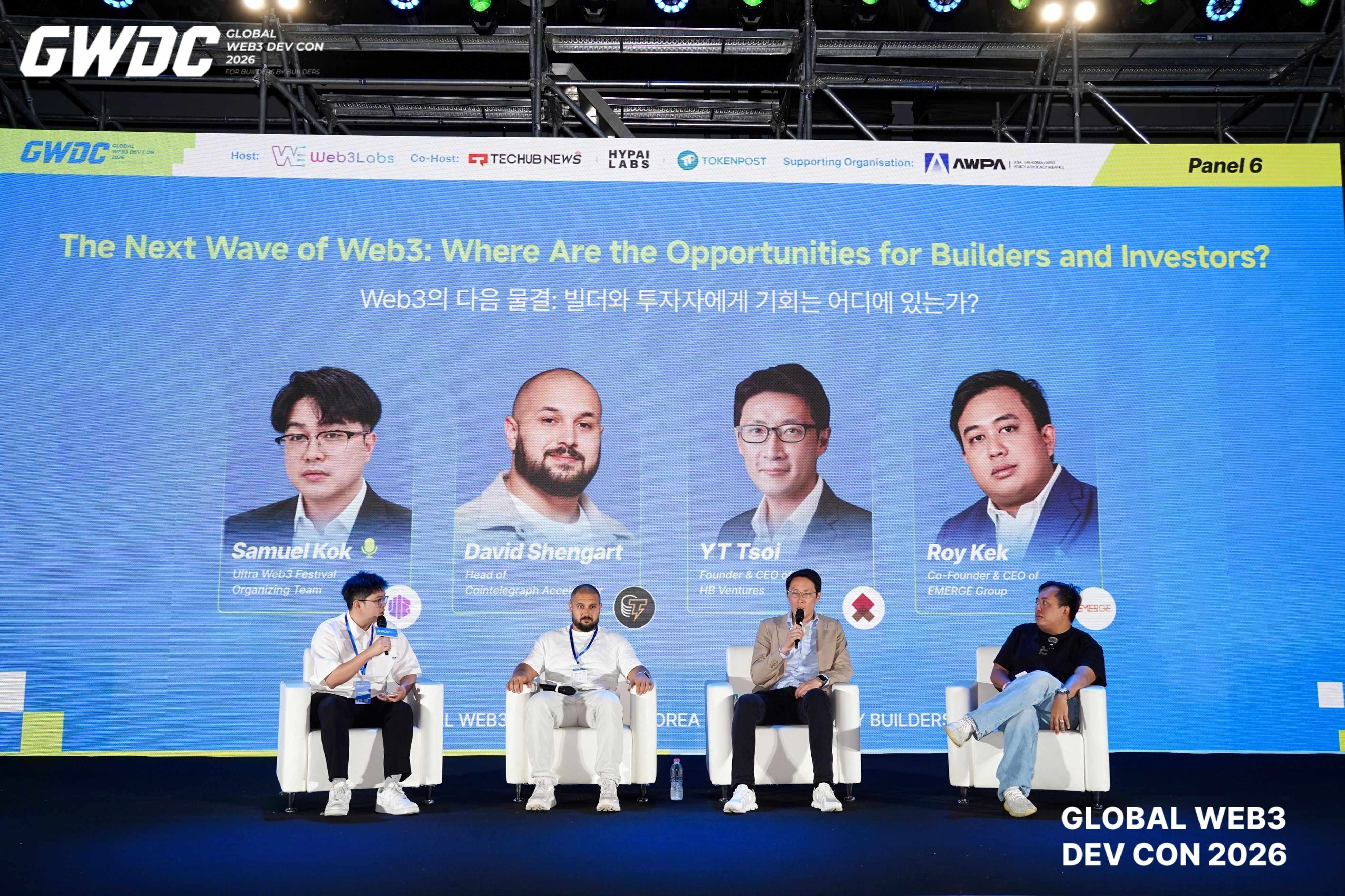
At the roundtable “The Next Wave of Web3: Where Are the Opportunities for Builders and Investors?” hosted by Samuel Kok at Ultra Web3 Festival, David Shengart, head of the Cointelegraph Accelerator, said that about 90% of current funds go to one-in-ten companies. With AI, delivering a product takes only two or three days—distribution becomes the most critical link. YT Tsoi, founder and CEO of HB Ventures, believes that getting listed is no longer the endpoint but the starting point; a project needs a clear path to profitability. Roy Kek, co-founder and CEO of EMERGE Group, said that without retail investors entering the market, there will be no real bull market.
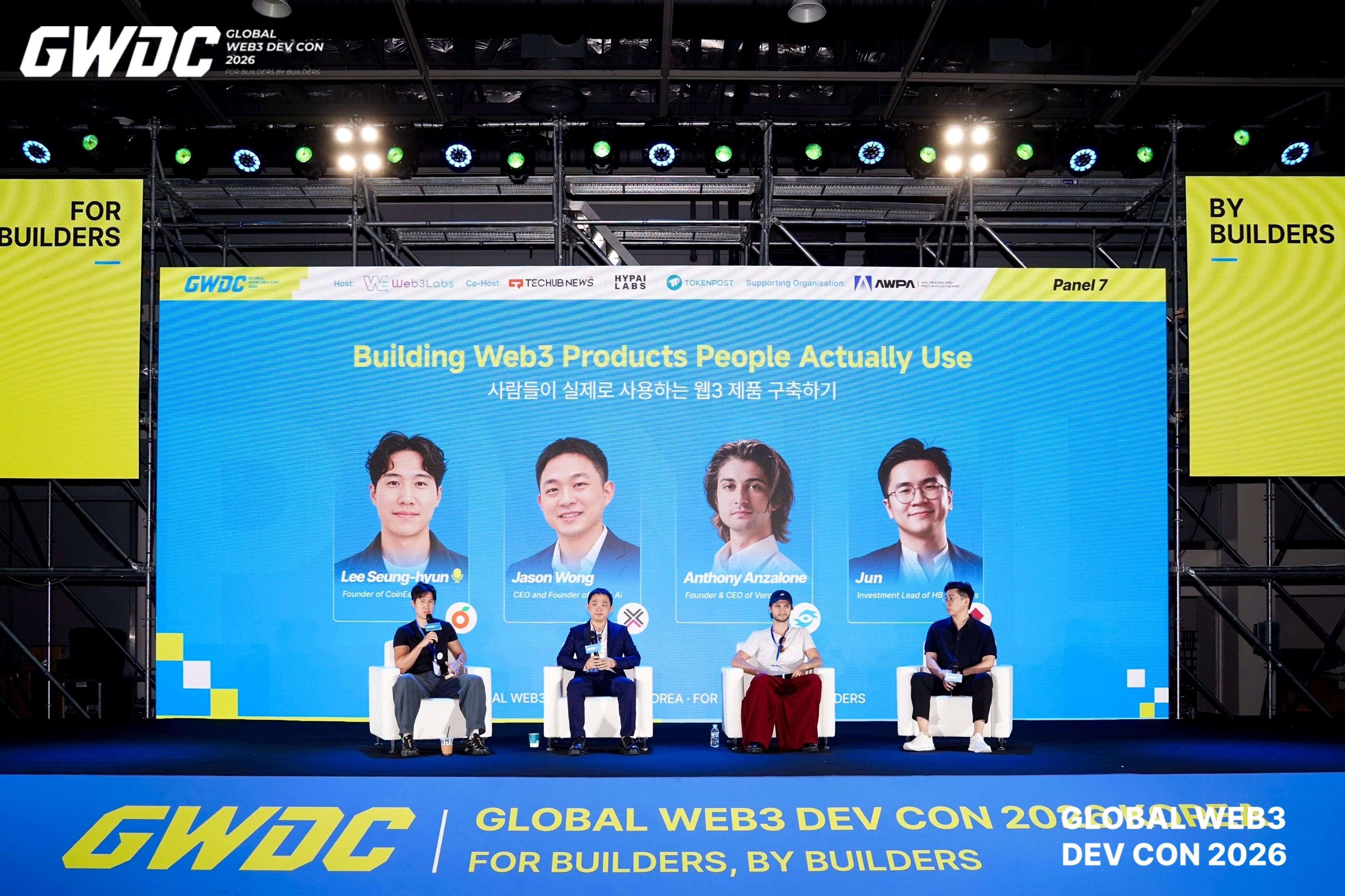
At the roundtable “Building Web3 Products People Actually Use,” hosted by Lee Seung-hyun, founder of CoinEasy, Jun, investment lead at HB Ventures, said that the era of raising funds from whitepapers is over. Product validation should be judged by whether retention holds up and whether it remains true after separating from token price. Anthony Anzalone, founder and CEO of Verona, said bluntly that most of Web3 is still infrastructure. As for AI plus Web3, there has not been a product with mass adoption yet. Jason Wong said the direction is correct, but users and capital have not yet arrived.
Leave the stage to students
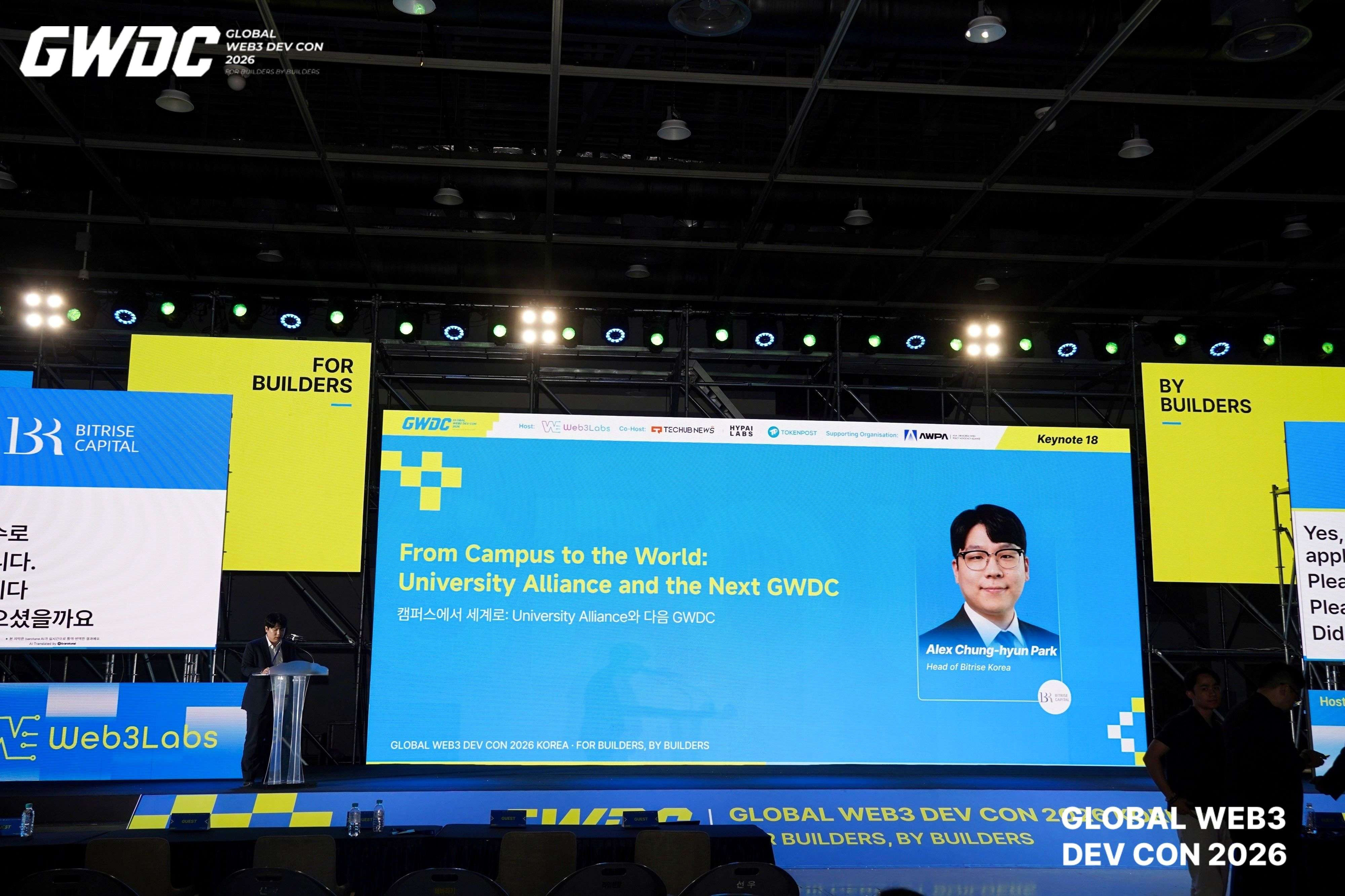
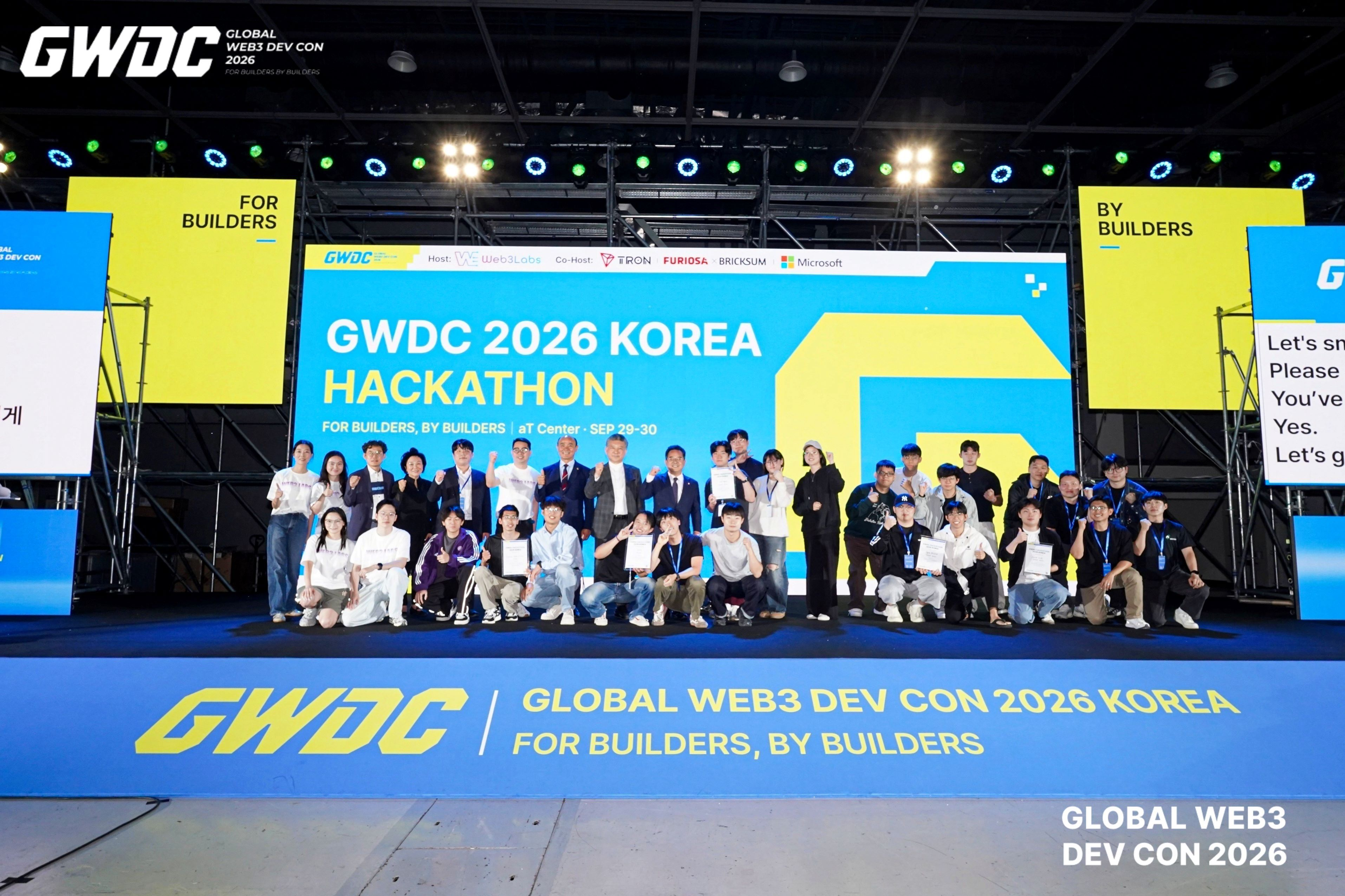
In his keynote speech at Bitrise Korea, Alex Chung-hyun said that the star of this year’s GWDC is not companies, but students. Alex Chung-hyun said the team visited more than 100 universities in South Korea, waived the participation fee, and supported students to attend hackathons with a total prize pool of $100,000. University Alliance will serve as a standing organization to connect universities, enterprises, and global developer events. Next year, the number of universities participating is expected to double.
Day-two recap
Looking back at the two days of content, the next day’s discussions were closer to implementation than the first day. First, multiple guests explicitly described tokenization as “just technology,” making liquidity, interoperability, pricing benchmarks, and distribution the new focus. Second, discussion of stablecoins shifted from regulation to payment scenarios; payments between AI agents, merchant collections, and cross-border settlement were repeatedly mentioned. Third, on the product and investment layers, guests generally agreed that technology is no longer a moat—distribution, retention, and profit paths are the real tests. Fourth, the conference devoted a significant portion of resources to student developers and plans to turn university collaboration into a standing mechanism.
That concludes GWDC 2026 Korea after two days.
Editor’s note: This article is based on live audio transcription, on-site visuals, and the conference’s official agenda. Figures such as operational data and market share provided by each project are the claims made by the guests in their speeches, and the article has not independently verified them. Sections of the official agenda for which audio materials were not obtained are not included in this write-up.
Disclaimer: This article is for reporting on the conference content only and does not constitute investment advice.