A Block, A Permit: Choosing Between NEAR and THORChain?
As someone who’s still stuck with money on Bitget, the NEAR vs. THORChain situation really hits home.
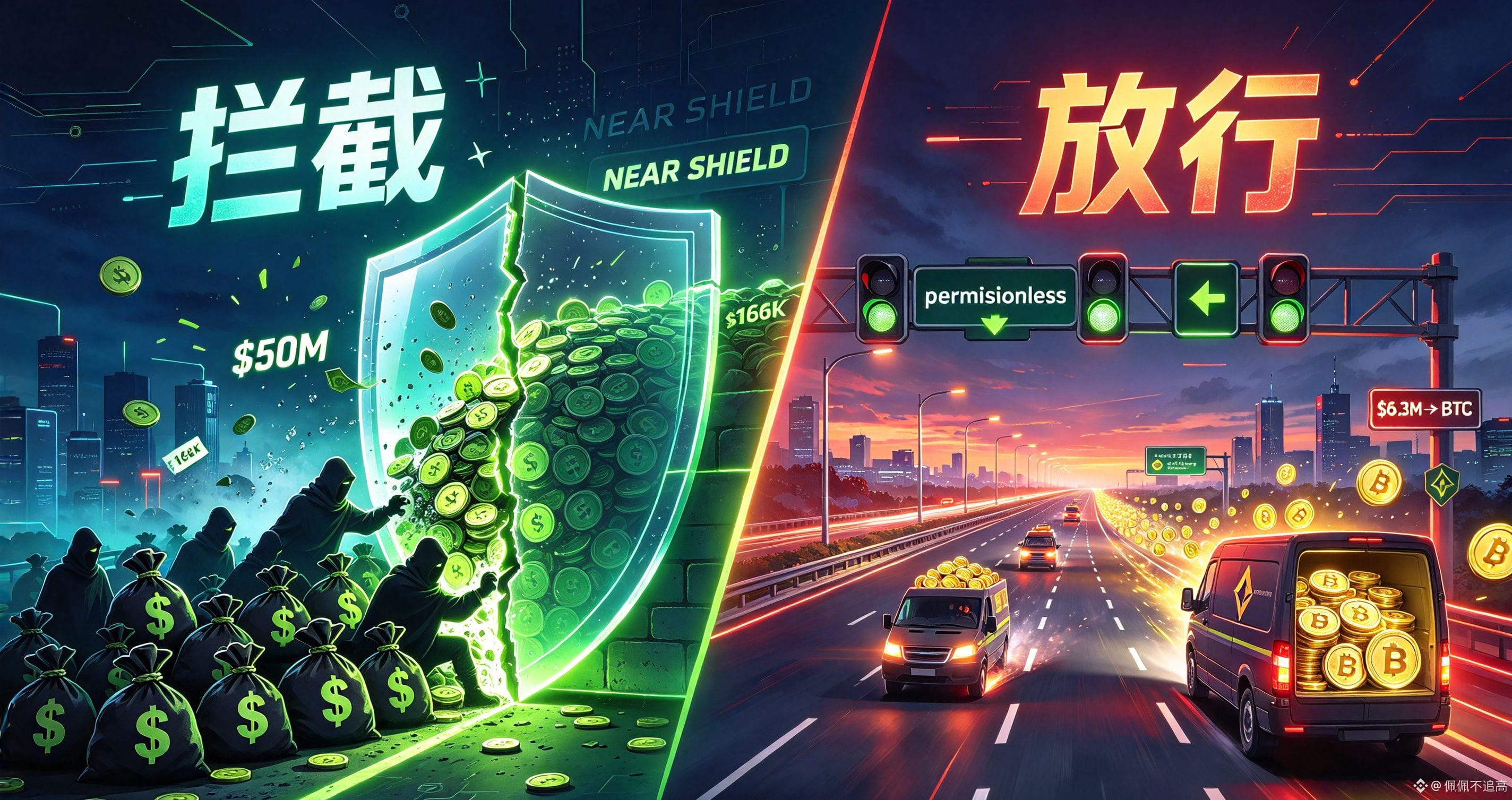
From the same batch of hacker funds, $50+ million tried to launder out via NEAR Intents. SHIELD automatically blocked it, allowing only $166,000 to go through.
Then the hackers went to THORChain. Bitget publicly shared the hacker address asking it not to process it—and it refused. On September 28, 2,390 ETH were swapped for 75.2 BTC, totaling $6.3 million, and they got away.
The reason given was that it’s permissionless, so it can’t screen transactions. But back in May this year, when THORChain itself was stolen from—$10.7 million—they paused the entire network within two hours, and kept it down for five weeks.
When it’s their own turn to be stolen, they can stop. When $387 million worth was stolen from others, they say it’s decentralization? The essence of this debate isn’t technology—it’s who pays the bill for the industry. The better hackers can launder money, the more justification regulators have to tighten control, and in the end, everyone pays.
Decentralization shouldn’t be a highway built for thieves. Which side are you on?
#NEAR🚀🚀🚀 #去中心化 $BTC $ETH
As someone who’s still stuck with money on Bitget, the NEAR vs. THORChain situation really hits home.
From the same batch of hacker funds, $50+ million tried to launder out via NEAR Intents. SHIELD automatically blocked it, allowing only $166,000 to go through.
Then the hackers went to THORChain. Bitget publicly shared the hacker address asking it not to process it—and it refused. On September 28, 2,390 ETH were swapped for 75.2 BTC, totaling $6.3 million, and they got away.
The reason given was that it’s permissionless, so it can’t screen transactions. But back in May this year, when THORChain itself was stolen from—$10.7 million—they paused the entire network within two hours, and kept it down for five weeks.
When it’s their own turn to be stolen, they can stop. When $387 million worth was stolen from others, they say it’s decentralization? The essence of this debate isn’t technology—it’s who pays the bill for the industry. The better hackers can launder money, the more justification regulators have to tighten control, and in the end, everyone pays.
Decentralization shouldn’t be a highway built for thieves. Which side are you on?
#NEAR🚀🚀🚀 #去中心化 $BTC $ETH