📰 The dovish remarks couldn’t contain the long-end yields. During the day, the 30-year U.S. Treasury yield touched 5.621%, a new high since June 2002; the 10-year yield, however, slipped by roughly 5 basis points. Market expectations for an October rate hike fell from about 70% to about 50%.
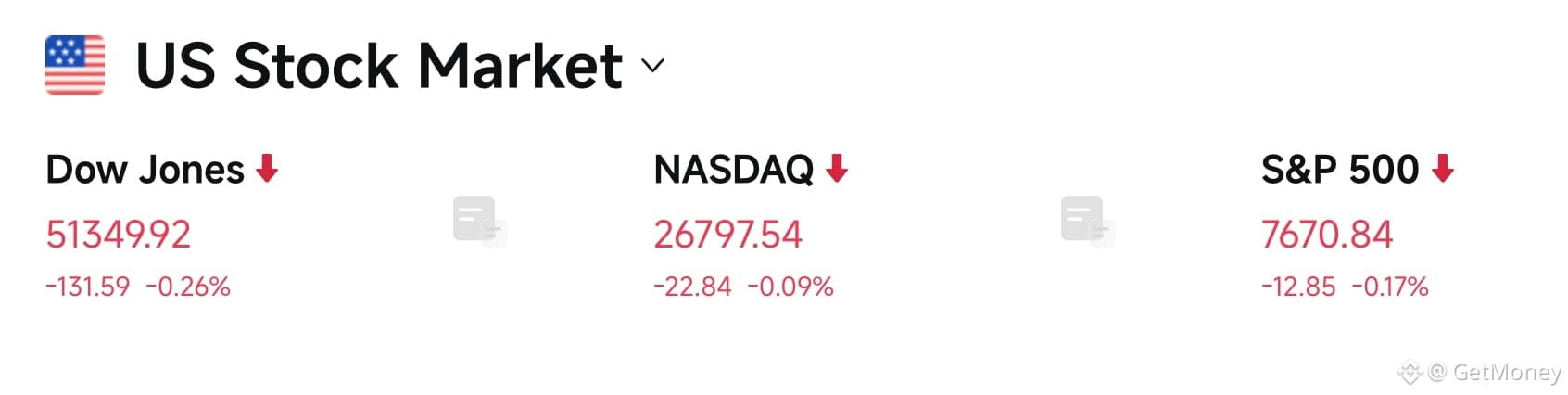
🔥 The trouble is that rate-cut expectations may not immediately rescue valuations. Paramount Tianwu has kicked off an approximately $32 billion investment-grade bond issuance. Long-end supply suddenly surged, while major buyers have been absent for more than a month. The three major U.S. stock indexes closed slightly lower, and at the end of the quarter, pension funds also sold nearly $33 billion worth of stocks.
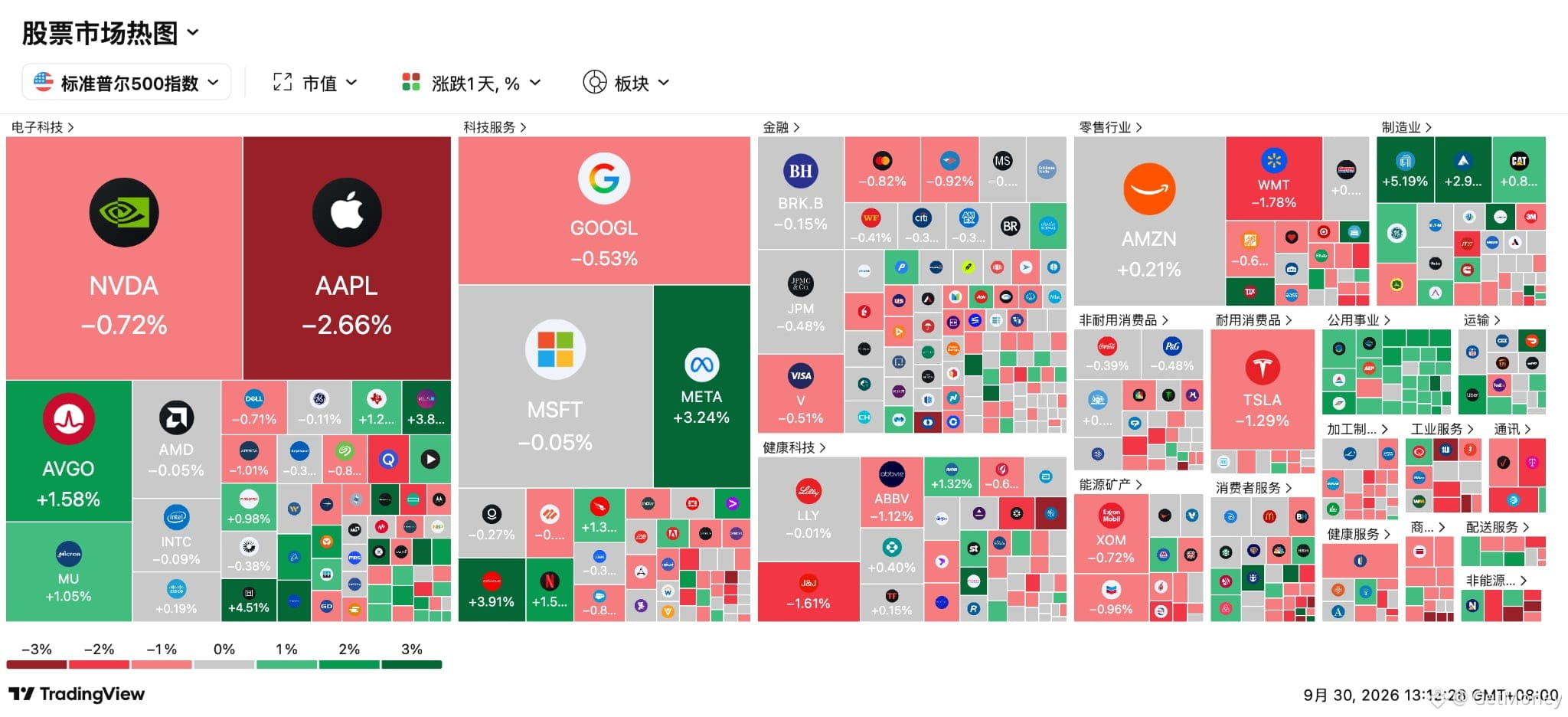
💡 AI hardware, on the other hand, held up. The Philadelphia Semiconductor Index rose 1.32%, and tight DRAM and NAND supply/demand is expected to persist through 2027. OpenAI’s annualized recurring revenue is reportedly close to $70 billion—up more than 70% since the start of Q3. Enterprise sales doubled from July, with funds continuing to flow into compute power, storage, and optical communications.
👀 But honestly, even if AI company data looks great, it can’t bypass high interest rates and energy costs. Consumer confidence fell to 81.9, the lowest since 2014; job openings also slid to a five-month low. With economic data weakening and long bonds getting no takers, this mix really is a bit unsettling.
🤔 After the key releases for core PCE and nonfarm payrolls, do you think the market will first trade the cooling economy—or continue worrying that long-end rates could run out of control?
#美债 #美股 #人工智能 #macroeconomy
🔥 The trouble is that rate-cut expectations may not immediately rescue valuations. Paramount Tianwu has kicked off an approximately $32 billion investment-grade bond issuance. Long-end supply suddenly surged, while major buyers have been absent for more than a month. The three major U.S. stock indexes closed slightly lower, and at the end of the quarter, pension funds also sold nearly $33 billion worth of stocks.
💡 AI hardware, on the other hand, held up. The Philadelphia Semiconductor Index rose 1.32%, and tight DRAM and NAND supply/demand is expected to persist through 2027. OpenAI’s annualized recurring revenue is reportedly close to $70 billion—up more than 70% since the start of Q3. Enterprise sales doubled from July, with funds continuing to flow into compute power, storage, and optical communications.
👀 But honestly, even if AI company data looks great, it can’t bypass high interest rates and energy costs. Consumer confidence fell to 81.9, the lowest since 2014; job openings also slid to a five-month low. With economic data weakening and long bonds getting no takers, this mix really is a bit unsettling.
🤔 After the key releases for core PCE and nonfarm payrolls, do you think the market will first trade the cooling economy—or continue worrying that long-end rates could run out of control?
#美债 #美股 #人工智能 #macroeconomy