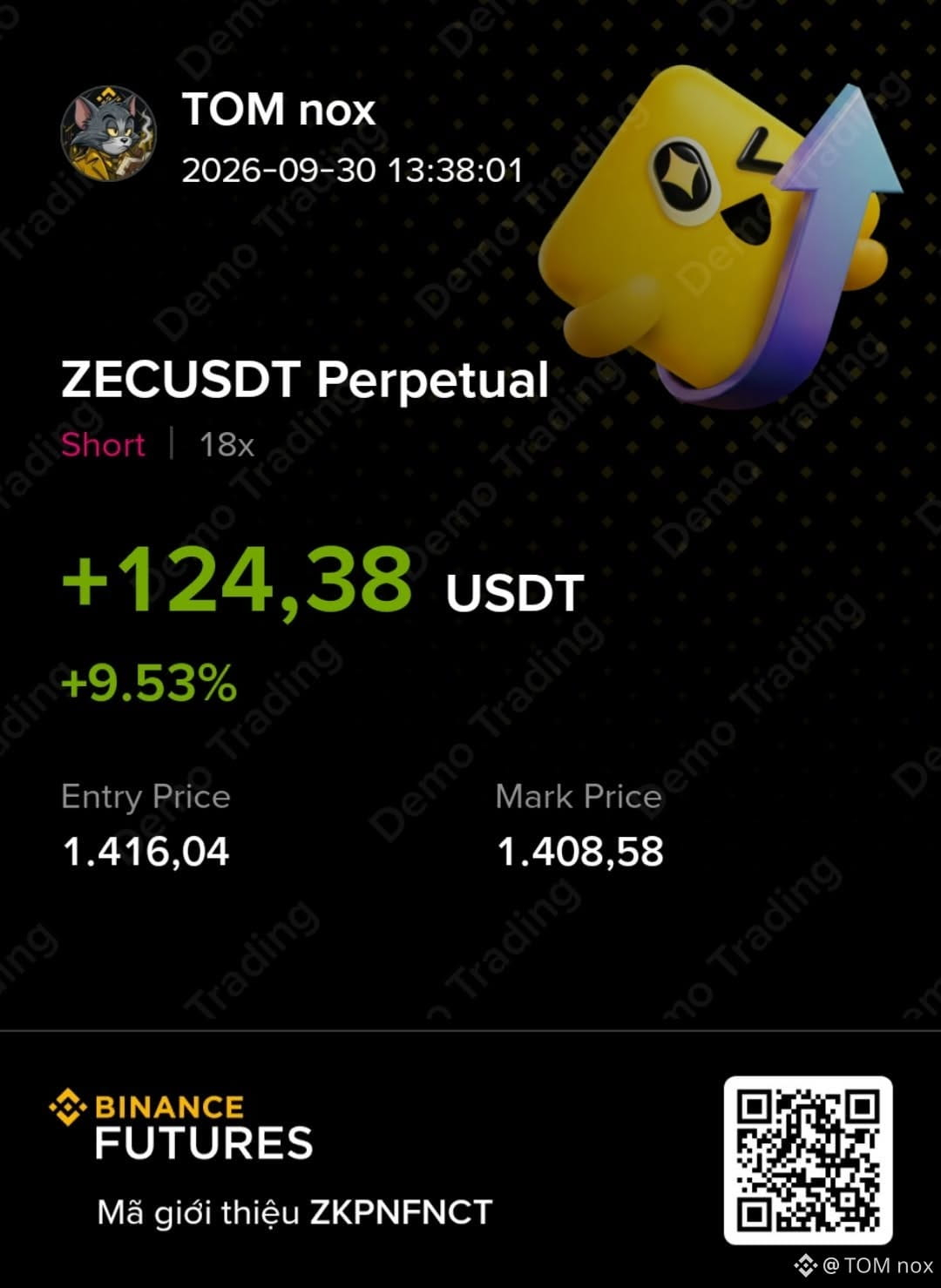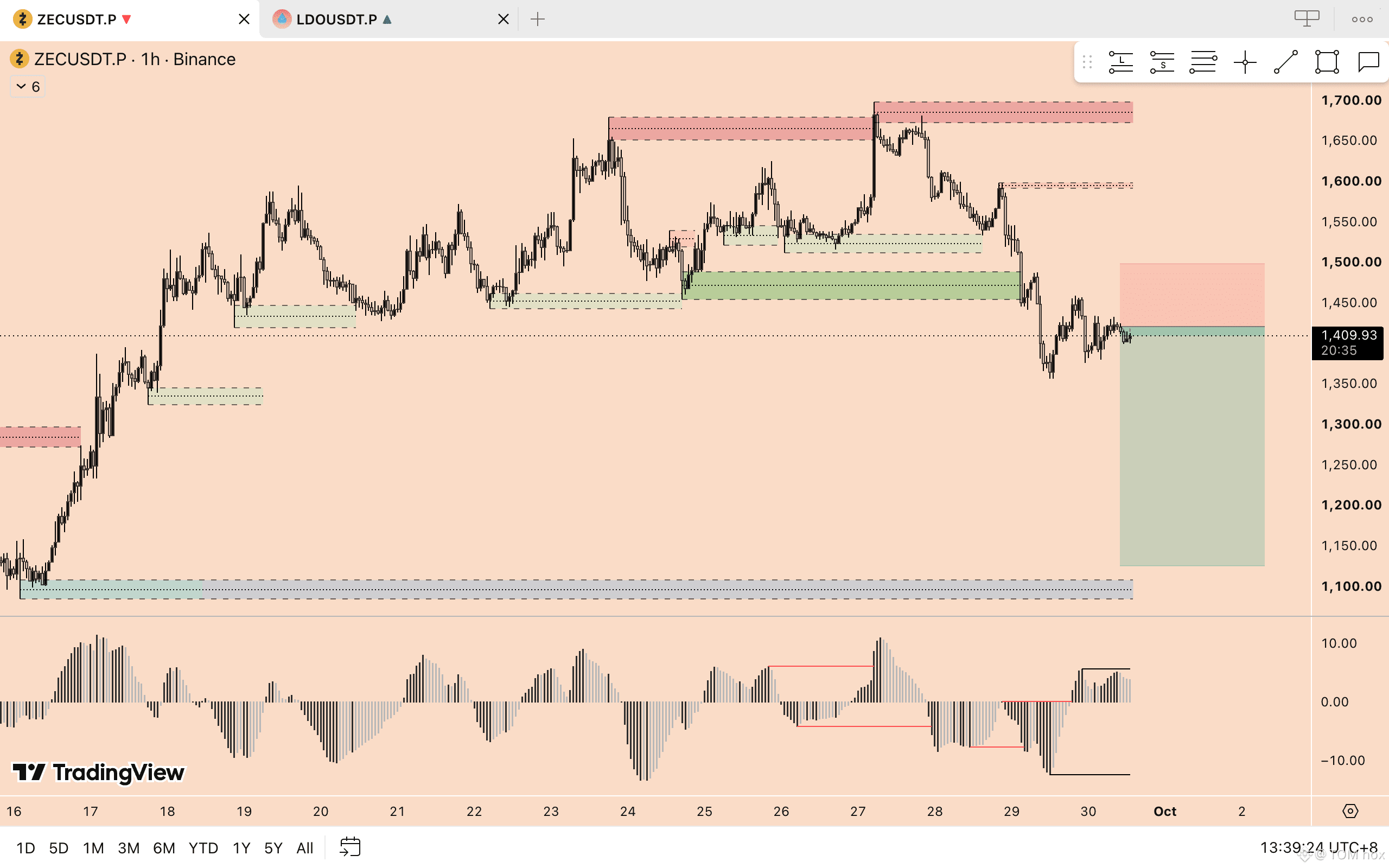
⚠️ HIGH LEVERAGE DOESN’T KILL YOUR ACCOUNT. USING IT WRONG DOES.
There’s one piece of advice I see everywhere in trading:
“Don’t use high leverage. It’s too dangerous.”
Sounds right.
But here’s the problem…
📌 LEVERAGE ≠ RISK
Leverage itself doesn’t determine how much money you’re actually risking.
What matters more is your RISK per trade.
For example:
📊 Win Rate: 45%
🎯 R:R: 3.3:1
If you risk less than 5% per trade, your account can actually lose money after trading fees are taken into account.
But if you understand how to calculate:
Stop Loss → Position Size → Risk → Leverage
you can adjust your leverage while still controlling exactly how much capital you’re putting at risk.
🧮 HERE’S WHERE IT GETS INTERESTING
Same system.
Same Win Rate.
Same R:R.
But change the risk per trade:
5% → 10% → 15%
Your equity curve can look completely different.
And this is something you don't need to argue about.
📈 JUST OPEN YOUR EXCEL FILE.
Run 100–200 trades using the exact same system.
Then test different risk levels:
🔹 5% risk
🔹 10% risk
🔹 15% risk
Look at the final balance.
Look at the drawdown.
Look at the losing streaks.
The numbers will tell you the story.
⚠️ BUT THERE’S A CATCH
Higher risk also means:
→ Bigger drawdowns
→ Bigger losses during losing streaks
→ Higher probability of severe account damage
There is no such thing as “free risk.”
The goal isn't to use the highest leverage possible.
The goal is to understand how leverage, position size, stop loss and risk are connected.
❓ SO WHAT SHOULD YOU ASK?
Not:
“What leverage is safe?”
But:
“Given this setup, how much should I risk, and how much leverage do I need to achieve that position size?”
🎯 Risk first. Leverage second.
Are you calculating your risk first and choosing leverage afterward…
or are you choosing leverage first and then…
praying the market doesn’t move against you? 👀
There’s one piece of advice I see everywhere in trading:
“Don’t use high leverage. It’s too dangerous.”
Sounds right.
But here’s the problem…
📌 LEVERAGE ≠ RISK
Leverage itself doesn’t determine how much money you’re actually risking.
What matters more is your RISK per trade.
For example:
📊 Win Rate: 45%
🎯 R:R: 3.3:1
If you risk less than 5% per trade, your account can actually lose money after trading fees are taken into account.
But if you understand how to calculate:
Stop Loss → Position Size → Risk → Leverage
you can adjust your leverage while still controlling exactly how much capital you’re putting at risk.
🧮 HERE’S WHERE IT GETS INTERESTING
Same system.
Same Win Rate.
Same R:R.
But change the risk per trade:
5% → 10% → 15%
Your equity curve can look completely different.
And this is something you don't need to argue about.
📈 JUST OPEN YOUR EXCEL FILE.
Run 100–200 trades using the exact same system.
Then test different risk levels:
🔹 5% risk
🔹 10% risk
🔹 15% risk
Look at the final balance.
Look at the drawdown.
Look at the losing streaks.
The numbers will tell you the story.
⚠️ BUT THERE’S A CATCH
Higher risk also means:
→ Bigger drawdowns
→ Bigger losses during losing streaks
→ Higher probability of severe account damage
There is no such thing as “free risk.”
The goal isn't to use the highest leverage possible.
The goal is to understand how leverage, position size, stop loss and risk are connected.
❓ SO WHAT SHOULD YOU ASK?
Not:
“What leverage is safe?”
But:
“Given this setup, how much should I risk, and how much leverage do I need to achieve that position size?”
🎯 Risk first. Leverage second.
Are you calculating your risk first and choosing leverage afterward…
or are you choosing leverage first and then…
praying the market doesn’t move against you? 👀