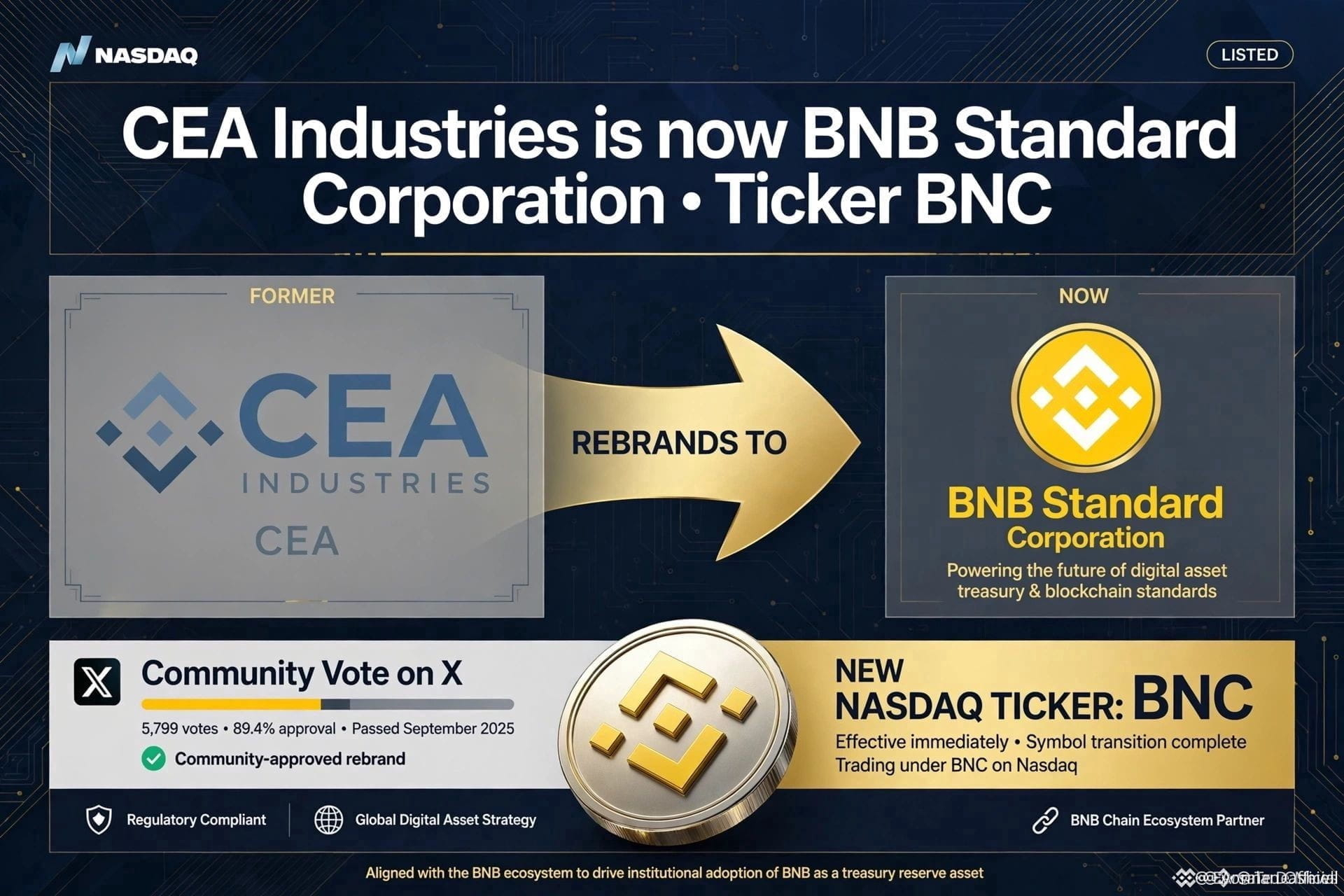
Everyone thinks a token rebrand automatically pumps your portfolio, but actually, it often masks liquidity traps and operational shifts that leave retail holding the bag.
Watching a project change its ticker or identity triggers massive FOMO, yet most traders jump in without checking if the underlying tokenomics or smart contract migrations actually protect their capital.
Think of a rebrand like a store putting up a fresh coat of paint. If the foundation is shaky, a new sign will not fix the leaks. With news like the CEA transition under the BNB ecosystem banner, retail traders often rush in expecting instant multiples, forgetting that contract swaps and ticker standardizations often dilute early holders or cause temporary liquidity freezes while major assets like $SOL or $LINK maintain stable market depth.
There are three common pitfalls to watch here. First, failing to verify official migration bridges can route your funds into fake swap contracts. Second, assuming that aligning with a major ecosystem standard guarantees immediate utility or listing support. Third, getting caught in post-rebrand sell-offs when early insiders use the rebranding hype to rotate profits into stable assets like $USDT.
How do you usually handle your positions when a project announces a major rebrand and standard shift?
#CEARenamesToBNBStandardUnderBNC #EarningsSeason
Watching a project change its ticker or identity triggers massive FOMO, yet most traders jump in without checking if the underlying tokenomics or smart contract migrations actually protect their capital.
Think of a rebrand like a store putting up a fresh coat of paint. If the foundation is shaky, a new sign will not fix the leaks. With news like the CEA transition under the BNB ecosystem banner, retail traders often rush in expecting instant multiples, forgetting that contract swaps and ticker standardizations often dilute early holders or cause temporary liquidity freezes while major assets like $SOL or $LINK maintain stable market depth.
There are three common pitfalls to watch here. First, failing to verify official migration bridges can route your funds into fake swap contracts. Second, assuming that aligning with a major ecosystem standard guarantees immediate utility or listing support. Third, getting caught in post-rebrand sell-offs when early insiders use the rebranding hype to rotate profits into stable assets like $USDT.
How do you usually handle your positions when a project announces a major rebrand and standard shift?
#CEARenamesToBNBStandardUnderBNC #EarningsSeason