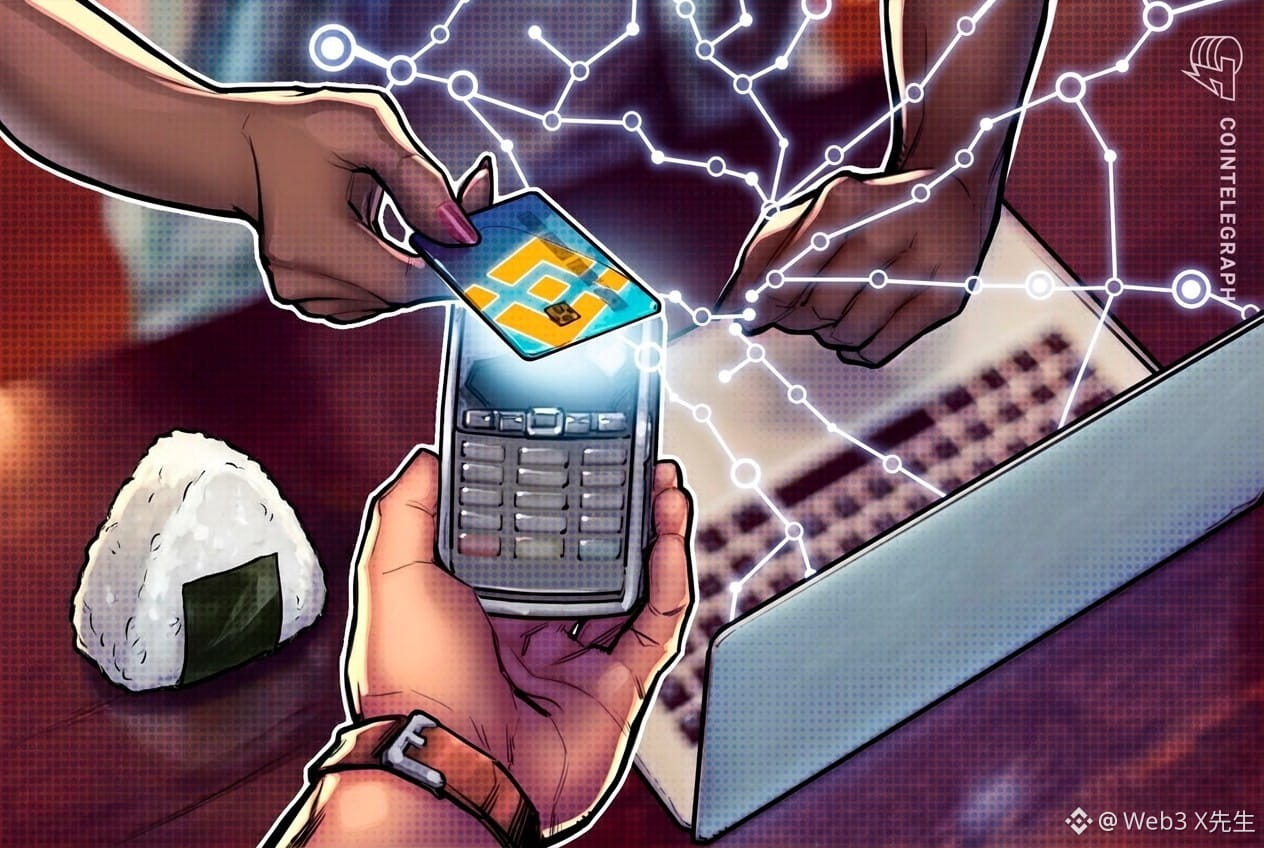
【Binance Pay integrated into Japan’s largest QR payment network—tourists can now spend USDT too 💴🔥】
Group chat: 🚀 加入X先生的粉丝群聊
If you’re going to Japan, your wallet now has one more route.
Starting today, Binance Pay will connect to PayPay.
Overseas users can take out their phones and scan to spend USDT.
On the other side, the stores still receive Japanese yen.
In between, it runs on the HIVEX interoperability framework. 🇯🇵
In Japan, PayPay is a household-level tool.
Convenience stores, taxis, and vending machines—everything can be paid by scan.
The number of participating stores is in the millions.
Previously, this channel only connected a few Asian e-wallets.
This is the first time a crypto payment provider has been brought in. 💳
With the numbers on display, it’s even more direct.
Japan saw 42.7 million inbound visitors last year.
In the first eight months of this year, that totals 27.6 million.
In August alone, it was 3.1 million—about 10% less than the same period last year.
How tourists spend their money is a big business. 🧳
For merchants, nothing needs to change.
No application required, no new account to open.
Settlement is still in Japanese yen, and the process stays the same.
All the steps involving currency exchange and clearing are handled by the channel itself.
To a store, this deal is no different from ordinary QR payments. 🏪
What has always blocked this step isn’t technology—it’s the scenario.
Crypto payments have long been stuck spinning around inside the crypto world.
Now they’ve been inserted into the most everyday payment tools.
People using USDT don’t even have to understand the chain.
The real transaction volume that actually comes out is the hard metric. 📈
Risks are out in the open, too.
USDT’s compliance pathways haven’t been fully opened.
Japan has always been strict about reserves and licensing.
If the winds change, this channel could also tighten.
The buzz is one thing—what can actually be implemented is what counts. ⚠️
📌 Taking one more step forward for stablecoins is moving from the crypto world into someone else’s checkout counter.
When you travel abroad, would you be willing to use USDT to pay by QR code? Talk in the comments
Group chat: 🚀 加入X先生的粉丝群聊
If you’re going to Japan, your wallet now has one more route.
Starting today, Binance Pay will connect to PayPay.
Overseas users can take out their phones and scan to spend USDT.
On the other side, the stores still receive Japanese yen.
In between, it runs on the HIVEX interoperability framework. 🇯🇵
In Japan, PayPay is a household-level tool.
Convenience stores, taxis, and vending machines—everything can be paid by scan.
The number of participating stores is in the millions.
Previously, this channel only connected a few Asian e-wallets.
This is the first time a crypto payment provider has been brought in. 💳
With the numbers on display, it’s even more direct.
Japan saw 42.7 million inbound visitors last year.
In the first eight months of this year, that totals 27.6 million.
In August alone, it was 3.1 million—about 10% less than the same period last year.
How tourists spend their money is a big business. 🧳
For merchants, nothing needs to change.
No application required, no new account to open.
Settlement is still in Japanese yen, and the process stays the same.
All the steps involving currency exchange and clearing are handled by the channel itself.
To a store, this deal is no different from ordinary QR payments. 🏪
What has always blocked this step isn’t technology—it’s the scenario.
Crypto payments have long been stuck spinning around inside the crypto world.
Now they’ve been inserted into the most everyday payment tools.
People using USDT don’t even have to understand the chain.
The real transaction volume that actually comes out is the hard metric. 📈
Risks are out in the open, too.
USDT’s compliance pathways haven’t been fully opened.
Japan has always been strict about reserves and licensing.
If the winds change, this channel could also tighten.
The buzz is one thing—what can actually be implemented is what counts. ⚠️
📌 Taking one more step forward for stablecoins is moving from the crypto world into someone else’s checkout counter.
When you travel abroad, would you be willing to use USDT to pay by QR code? Talk in the comments