If you want to take the path of a trader, you must be clear about this: this business is deep, with far too many things worth studying.
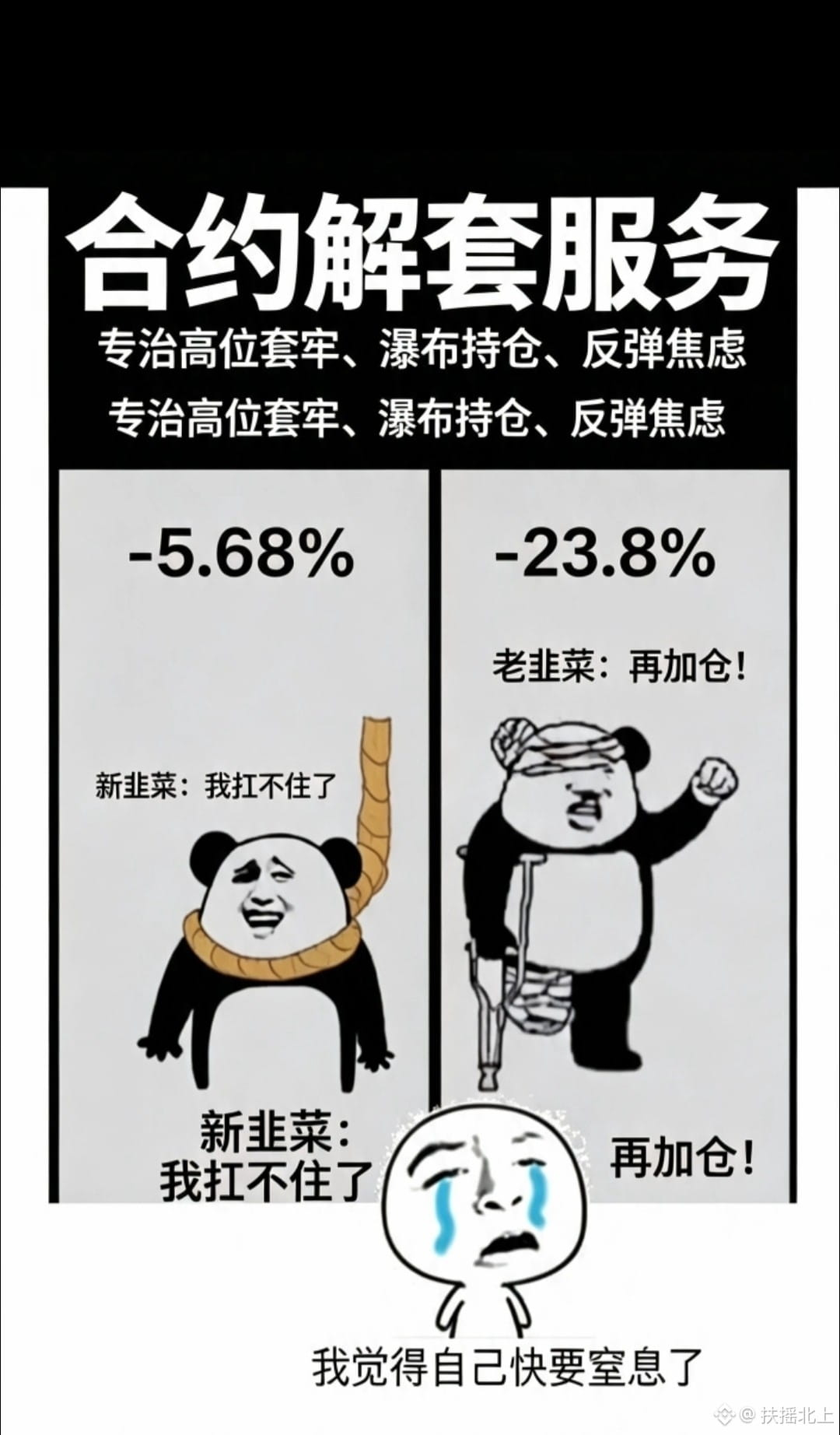
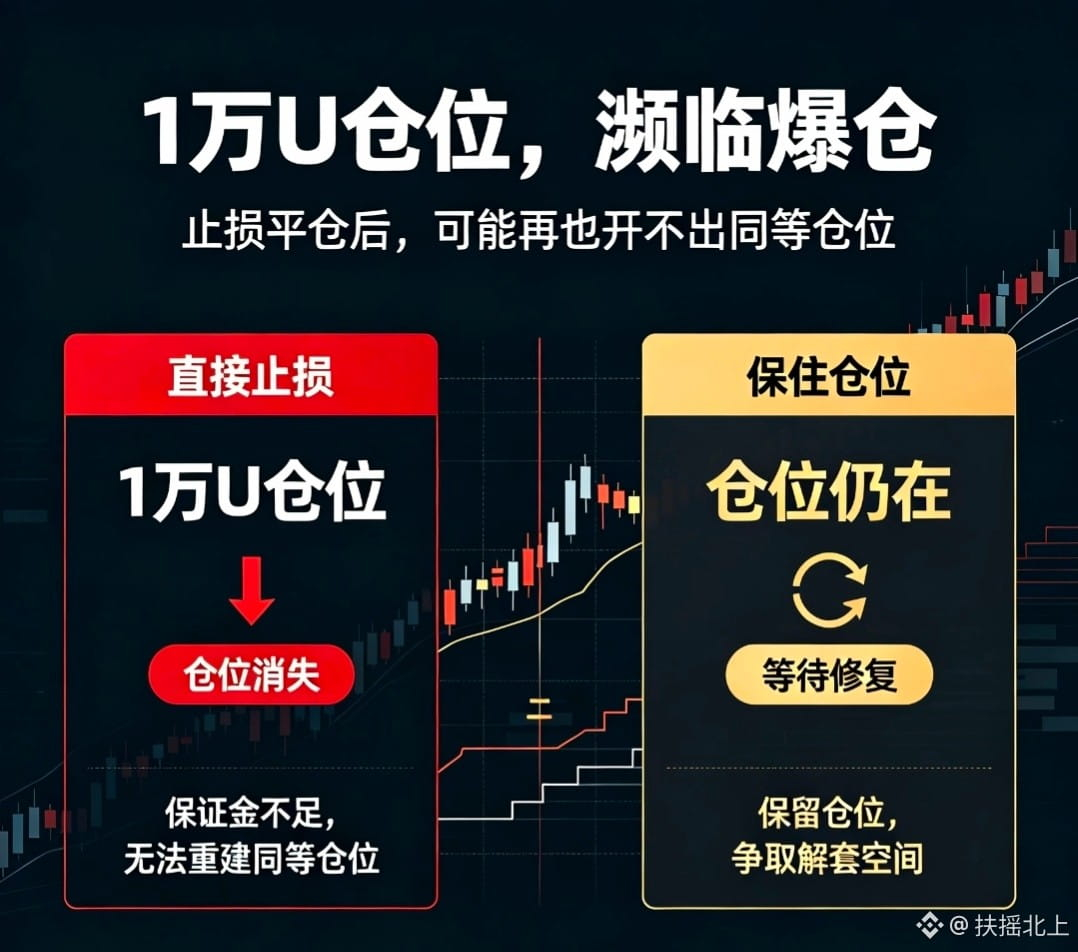
Just stop-loss alone is enough for you to polish and learn again and again; cutting positions, holding against orders, taking out of bad positions, and rolling positions—each one is a subject. You need to gradually fully understand the indicator system, the characteristics of different asset types, and price-action patterns.
In August, the playbook of the “dog Zhuang” is to pump up and distribute, then after the rise, directly smash the market to harvest.
In September, the tactics upgrade across the board: the pump is no longer rushed to unload, but instead they keep pushing prices up slowly and steadily.
Coins like AKE—after long periods of small, back-and-forth chop and grind, with weak market volatility—ultimately you can only earn a little bit of trading fees. If you set your take-profit orders, the price never reaches them. This is the house’s harvesting method: bit by bit, they eat away at your capital until they’ve harvested every last bit of wool from the sheep.
Scattered knowledge will eventually be integrated. Big-picture trends in the world can all be reflected in the trading screen.
The first lesson the market taught me: if you can’t understand, put it down and exit—protect yourself. You don’t need to force yourself to look for opportunities in chaotic conditions; hard-trading something that isn’t your own market is itself a risk.
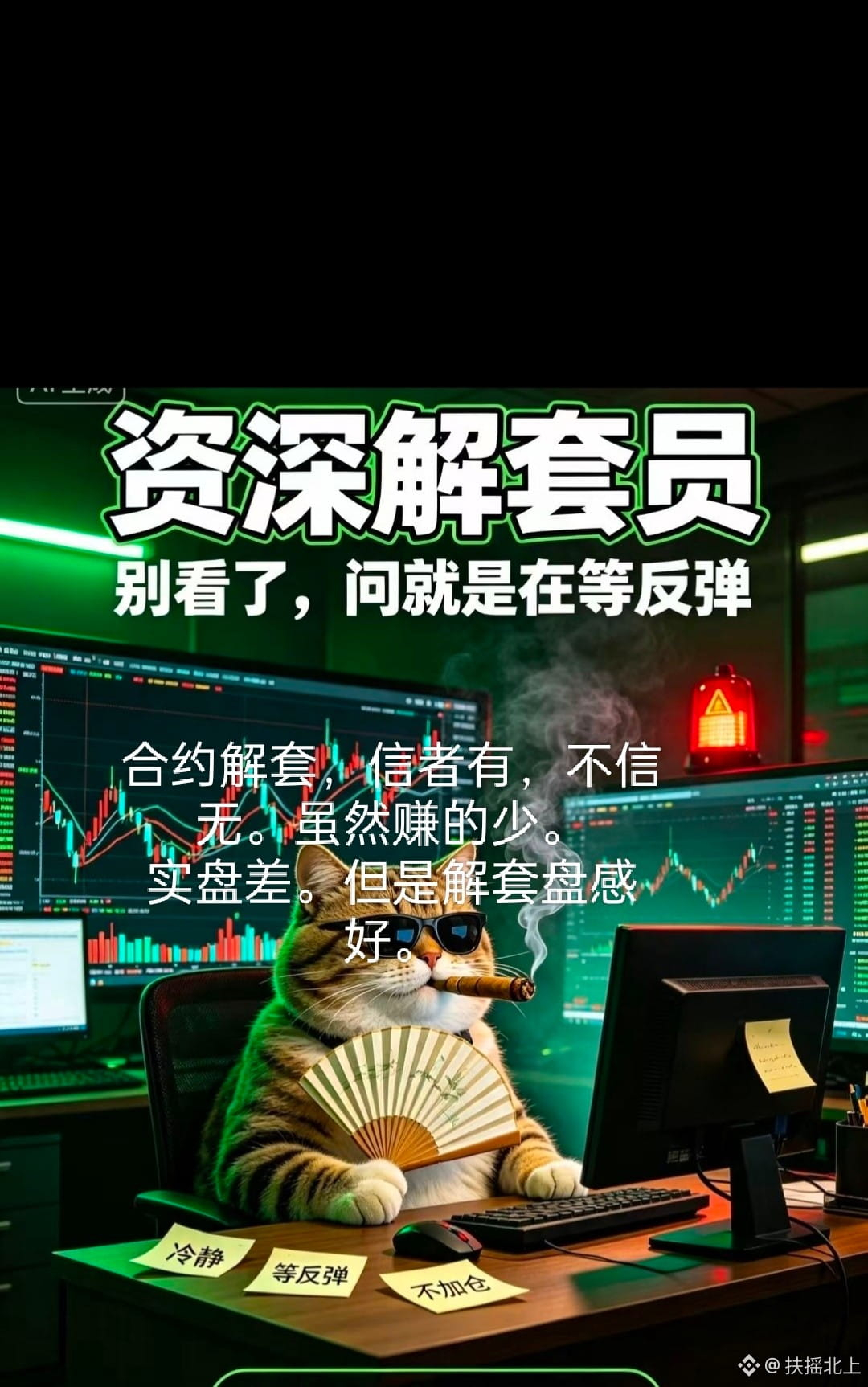
Losses, going to zero, and the torment of grinding through it are all unavoidable paths on the road of trading. Many people stop at the stage of unbearable pain. Only by enduring sustained pressure, continuously reviewing and correcting, and then waiting it out, can you see that bright, hopeful turning after the darkness.
If you don’t understand, don’t bother. If you don’t get it, don’t play. The underlying logic of trading is always: first survive, then seek profit. Stay alive—that’s the qualification to keep engaging in competition.
All the gains you make are rooted in the countless inner torments you’ve endured. The profit and loss on the screen tests not only your skills, but also your mindset.
If you’re still stuck between choices—when you cut positions you feel like it’s cutting you to the bone, when it comes time to stop-loss you can’t bring yourself to place it, and if you choose to hold against the order you can’t sleep all night.
Then it means your trading cognition hasn’t broken through a bottleneck yet—you’re still trapped in the sea of suffering that is trading.
Only those who truly build a mature trading system are calm with both gains and losses. Their entries and exits follow proper rules, and they’re no longer dragged around by emotions triggered by price fluctuations.
The market always has uncertainty. There is no trading method that wins every time. Treat profit and loss rationally.
⚠️ Risk warning: Virtual currency futures contract trading carries extremely high risk. This article is only based on personal trading insights and does not constitute any investment advice.