

易琳Ten
126 Posts

易琳Ten
交易是修行,盈利是结果,纪律是信仰。🐺📈
65 Following
21.4K+ Followers
8.1K+ Liked
Posts
All
Quotes
Videos
PINNED

易琳Ten
·
--
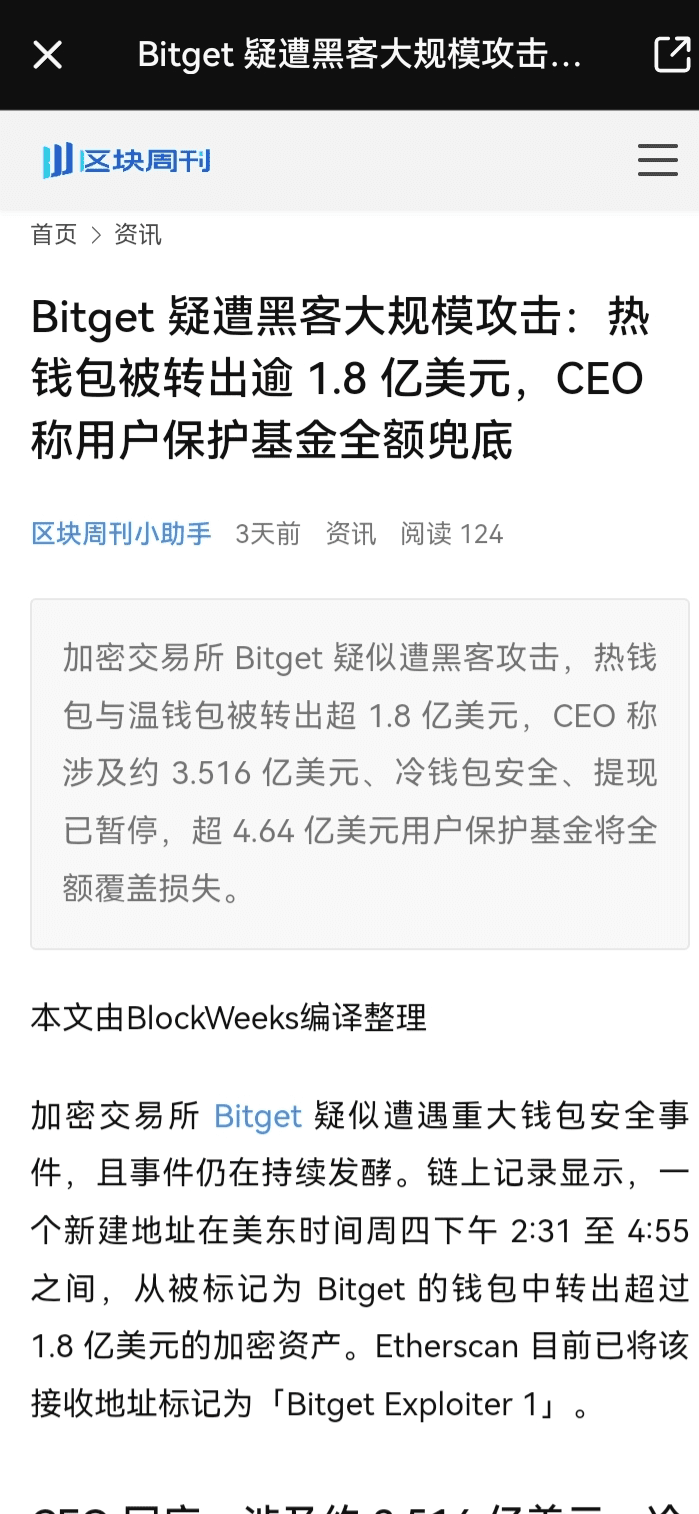
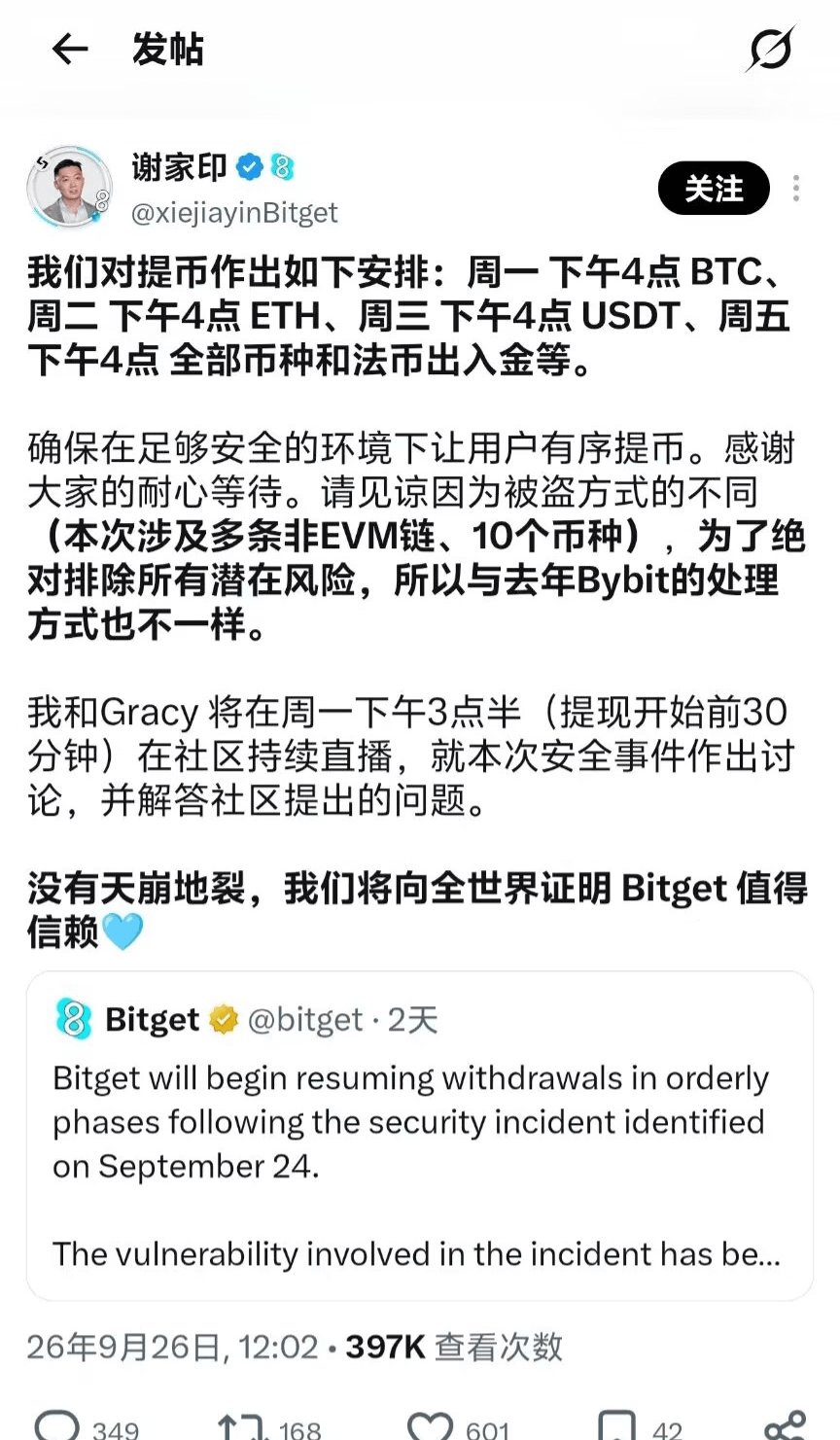
This wave of hacking incidents has caused losses of up to $300 million.
For Bitget, the real test may only be starting.
What matters most for an exchange?
Not traffic, not narratives, but users’ trust in security.
Once trust develops cracks, users may reduce their capital holdings and trading frequency, and future growth and ecosystem narratives may face even greater pressure.
In competing with top exchanges like Binance, the difficulty may rise further.
Whether this incident will ultimately change Bitget’s position in the industry still needs to be verified over time.
But one thing is certain:
For centralized exchanges, losses from security incidents are not just money—it’s also trust.
Bitget: whether it can weather this crisis next is the real test.
For Bitget, the real test may only be starting.
What matters most for an exchange?
Not traffic, not narratives, but users’ trust in security.
Once trust develops cracks, users may reduce their capital holdings and trading frequency, and future growth and ecosystem narratives may face even greater pressure.
In competing with top exchanges like Binance, the difficulty may rise further.
Whether this incident will ultimately change Bitget’s position in the industry still needs to be verified over time.
But one thing is certain:
For centralized exchanges, losses from security incidents are not just money—it’s also trust.
Bitget: whether it can weather this crisis next is the real test.
易琳Ten
·
--
BullishThe market shifts in an instant—messages and news keep coming one after another, and capital battles are becoming even more intense.
When the market is hot, be more alert to FOMO emotions. Don’t chase at the top blindly. Don’t go all-in with oversized positions. And don’t let leverage magnify greed.
The market is always full of opportunities. What’s truly scarce is capital, discipline, and patience.
Understand the logic of capital, manage your own position size, and wait for your trading opportunities.
Don’t go crazy because of a sudden surge, and don’t panic because of a steep drop. Protect your principal, steady your mindset, wait patiently, and align your actions with your knowledge.
May we stay clear-headed amid volatility, move forward steadily in the competition, with a consistently green account and long-term wins through compounding! 💰📈
When the market is hot, be more alert to FOMO emotions. Don’t chase at the top blindly. Don’t go all-in with oversized positions. And don’t let leverage magnify greed.
The market is always full of opportunities. What’s truly scarce is capital, discipline, and patience.
Understand the logic of capital, manage your own position size, and wait for your trading opportunities.
Don’t go crazy because of a sudden surge, and don’t panic because of a steep drop. Protect your principal, steady your mindset, wait patiently, and align your actions with your knowledge.
May we stay clear-headed amid volatility, move forward steadily in the competition, with a consistently green account and long-term wins through compounding! 💰📈


先生-Crypto
·
--
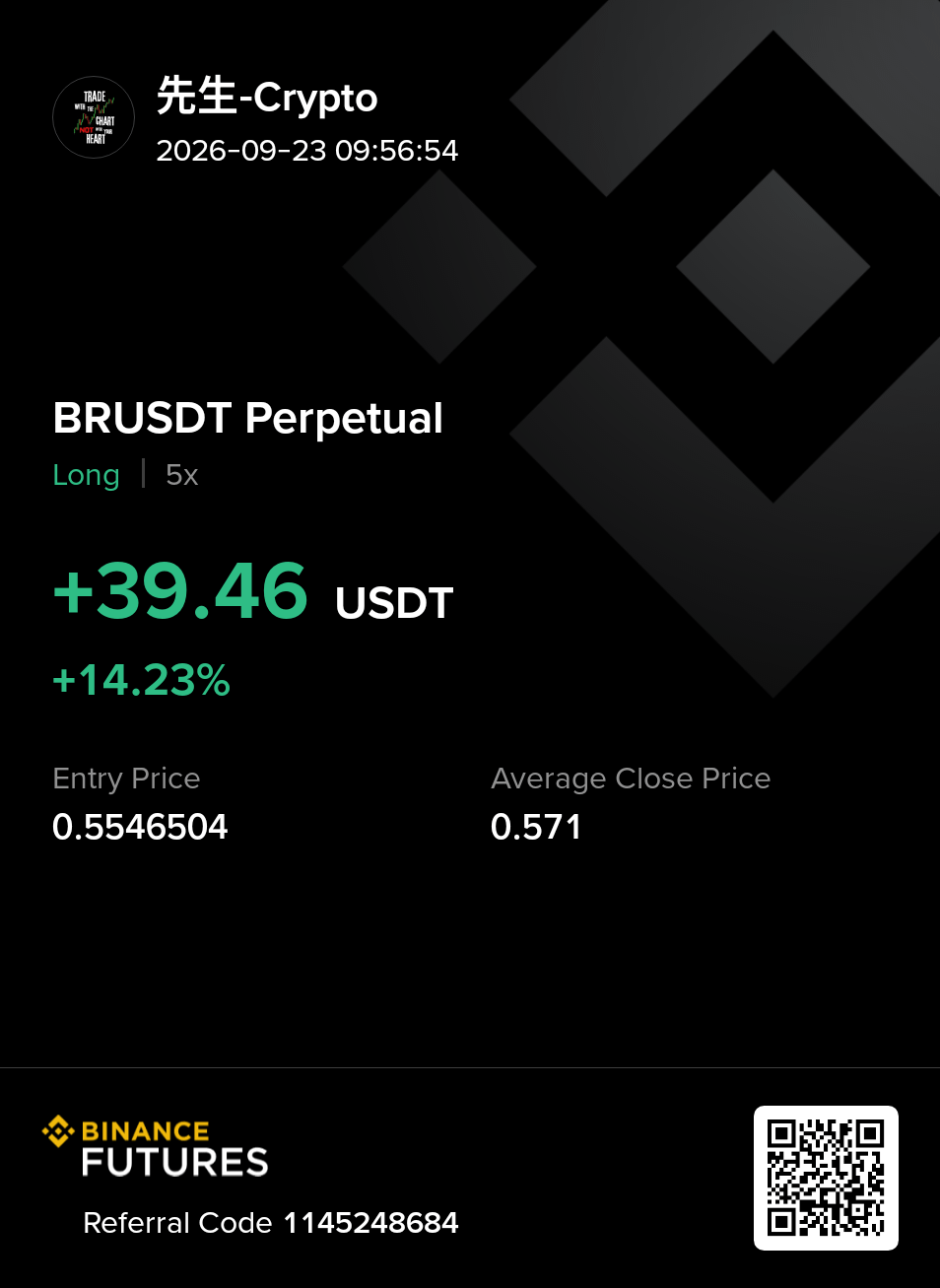
Follow Me
Share It
Comment on It
🎁🎁🎁🎁🎁
Share It
Comment on It
🎁🎁🎁🎁🎁

静静Amily
·
--
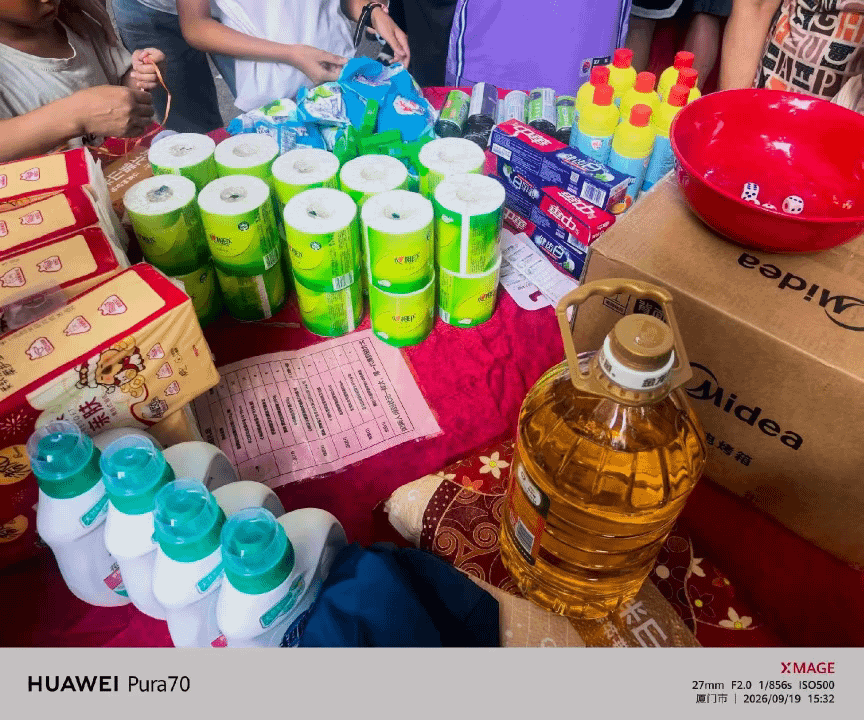
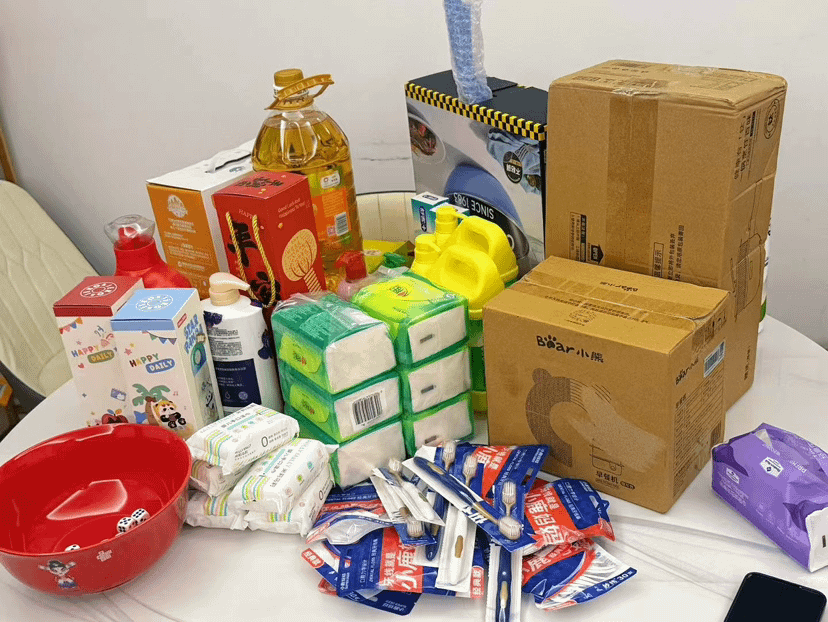
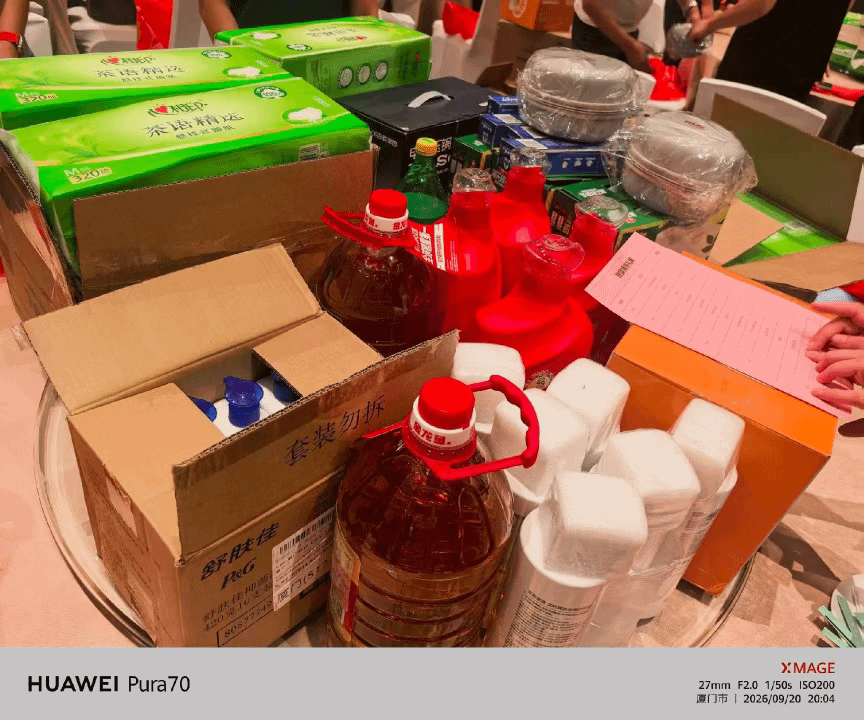
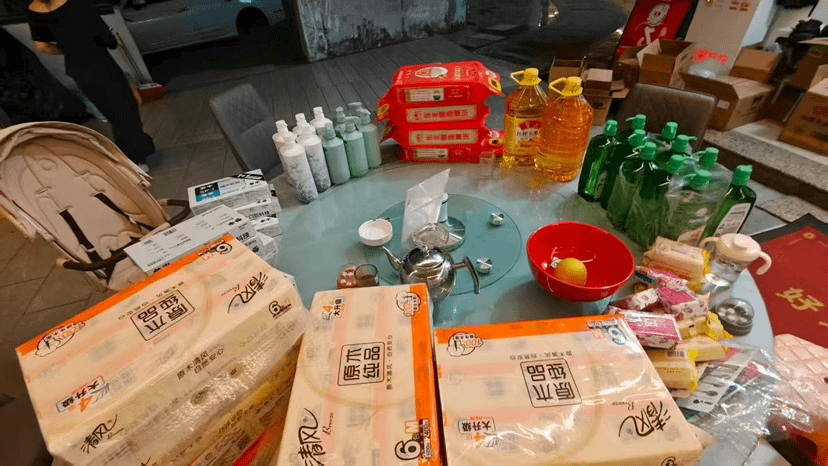
The most recent happiness comes from the Minnan-style Bo Bing! 🥮🥮
Whether it’s first place or the top scholar, every bit of luck is a reward for hard work 💪 Hope my good fortune keeps coming one after another from here on—✨✨
Whether it’s first place or the top scholar, every bit of luck is a reward for hard work 💪 Hope my good fortune keeps coming one after another from here on—✨✨

1周一
·
--
The buzz and commotion are unsettling; ups and downs are all part of the norm✨
Say no to FOMO and don’t blindly follow the crowd into the fray.
Endless market opportunities—your principal is the real trump card.
Slow down, keep your position under control, and wait calmly for your own moment.
Wishing everyone poise in both entry and exit, with booming returns🧧
Say no to FOMO and don’t blindly follow the crowd into the fray.
Endless market opportunities—your principal is the real trump card.
Slow down, keep your position under control, and wait calmly for your own moment.
Wishing everyone poise in both entry and exit, with booming returns🧧


分析师尤斯1688
·
--
🧧🧧🧧🧧🎁🎁🎁🎁
🎁🎁🎁🎁🧧🧧🧧🧧
🎁🎁🎁🎁🧧🧧🧧🧧

Jamal 656
·
--
Claim reward 🎁🎁
Follow me 💝
Follow me 💝

花涧空
·
--
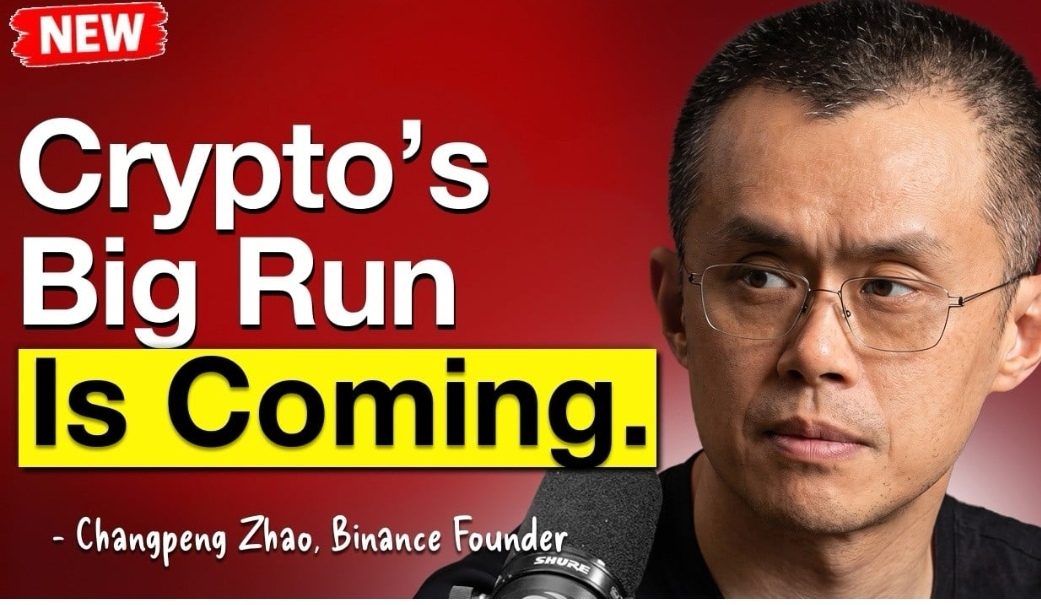
CZ Recently Responds to Everything: FTX Wasn't Bankrupted by Me,
A Full Pardon With Zero Contact With Trump
A Full Pardon With Zero Contact With Trump

YZZ竹竹
·
--
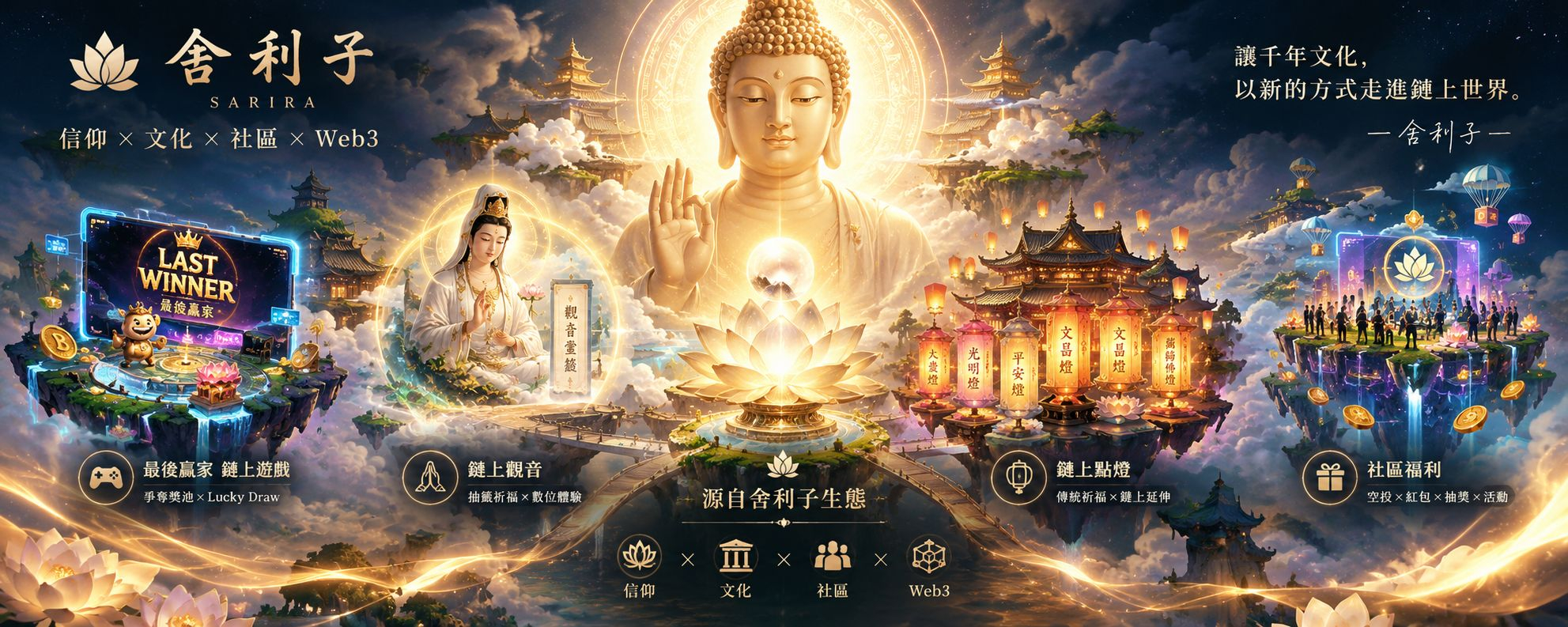
If you think of the “Sarira” (Shard Relics) as just a token, you may only have seen its first layer.
What’s truly interesting is that it’s trying to bring faith, traditional culture, community interaction, and Web3 into a single on-chain ecosystem. This isn’t a story about merely “trading coins”—it’s an exploration of how traditional culture can enter the digital world.
01|Staking × On-Chain Mining
By staking Sarira, you participate in a community-driven on-chain mining mechanism.
It’s not just about “holding a token”—it’s about becoming part of the ecosystem. By participating, you gain corresponding on-chain experiences and community benefits.
02|Last Winner: The Final Winner
Sarira also builds an on-chain community game called Last Winner.
By combining games, community, and on-chain mechanisms, Web3 becomes more than just “watching the market”—it can also be an interactive experience.
03|On-Chain Guanyin
This might be Sarira’s most culturally distinctive direction.
Transform traditional practices like fortune drawing, praying, and making wishes into a digital experience on the blockchain.
A thousand years ago, people went to temples to draw lots; today, people are starting to explore:
If faith could also be brought into Web3, what would it look like?
This isn’t meant to replace traditional culture—it’s an attempt to use new mediums so more young people can engage with it.
04|On-Chain Lamp Lighting, Coming Soon
In the future, on-chain lamp lighting will be introduced:
🏮 Tai Sui Lamp
✨ Brightness Lamp
🕊️ Peace Lamp
📚 Wenchang Lamp
💰 Wealth Lamp
🙏 Medicine Master Buddha Lamp
Extending the “lamp-lighting and blessing-praying” tradition from temples into the digital realm.
Starting with a single lamp, blessings take on another on-chain form.
05|Community—More Than Just Holders
Airdrops, red packets, raffles, and various community activities ensure that participants aren’t only token holders—they gradually come together as a community unified by shared cultural symbols.
This is also another thing Sarira wants to explore:
In Web3, can communities be built not only on price consensus, but on consensus around culture and faith?
What’s truly interesting is that it’s trying to bring faith, traditional culture, community interaction, and Web3 into a single on-chain ecosystem. This isn’t a story about merely “trading coins”—it’s an exploration of how traditional culture can enter the digital world.
01|Staking × On-Chain Mining
By staking Sarira, you participate in a community-driven on-chain mining mechanism.
It’s not just about “holding a token”—it’s about becoming part of the ecosystem. By participating, you gain corresponding on-chain experiences and community benefits.
02|Last Winner: The Final Winner
Sarira also builds an on-chain community game called Last Winner.
By combining games, community, and on-chain mechanisms, Web3 becomes more than just “watching the market”—it can also be an interactive experience.
03|On-Chain Guanyin
This might be Sarira’s most culturally distinctive direction.
Transform traditional practices like fortune drawing, praying, and making wishes into a digital experience on the blockchain.
A thousand years ago, people went to temples to draw lots; today, people are starting to explore:
If faith could also be brought into Web3, what would it look like?
This isn’t meant to replace traditional culture—it’s an attempt to use new mediums so more young people can engage with it.
04|On-Chain Lamp Lighting, Coming Soon
In the future, on-chain lamp lighting will be introduced:
🏮 Tai Sui Lamp
✨ Brightness Lamp
🕊️ Peace Lamp
📚 Wenchang Lamp
💰 Wealth Lamp
🙏 Medicine Master Buddha Lamp
Extending the “lamp-lighting and blessing-praying” tradition from temples into the digital realm.
Starting with a single lamp, blessings take on another on-chain form.
05|Community—More Than Just Holders
Airdrops, red packets, raffles, and various community activities ensure that participants aren’t only token holders—they gradually come together as a community unified by shared cultural symbols.
This is also another thing Sarira wants to explore:
In Web3, can communities be built not only on price consensus, but on consensus around culture and faith?

圣克斯Lucky1688
·
--
🧧🎁🌹🧧🎁🌹
On 9/29, we continued to focus on the following core innovation and transformation directions in underlying technical architecture, compliance tooling, and asset operation models:
1. Deep integration of Zero-Knowledge Identity (ZK Identity) with on-chain compliance
Innovation highlights: To address the conflict between decentralization and regulatory compliance, the industry in late September intensively discussed and advanced the practical deployment of ZK KYC (zero-knowledge proof identity verification) technologies.
Technical value: Exchanges, stablecoin issuers, and licensed DeFi (Permissioned DeFi) began using ZK proofs to verify eligibility for on-chain compliance without disclosing users’ sensitive privacy data (such as real names, nationality, and other original document details). This enables users to generate a credential once and reuse it across multiple Web3 services, significantly reducing the risk of privacy data leakage.
2. Scaling experiments for tokenized interbank deposits (Tokenized Deposits)
Innovation highlights: In the convergence of traditional finance and Web3, leading banks in multiple countries (e.g., UK-based Barclays, NatWest, HSBC, and Canadian banking institutions) collectively announced or tested cross-bank tokenized deposit networks in late September.
Technical value: By leveraging blockchain technology to tokenize traditional fiat currency deposits, interbank settlement is shifting from conventional T+1 or lengthy wire transfers toward “instant settlement,” representing a substantive step of traditional finance toward on-chain financial infrastructure.
3. Exchange asset account architecture reform: physical isolation of crypto and tokenized stocks (bStocks)
Innovation highlights: Represented by Binance, a leading exchange, which in late September (starting from 9/29) promoted the split of the Funding Account and the Spot Account, as well as the introduction of a separate “Stocks Account.” Platform-level account architecture is evolving.
Technical value: With the explosive growth of RWA businesses such as tokenized stocks (bStocks), compliant on-chain assets and non-standard/traditional brokerage activities (e.g., T+1 stock settlement via Alpaca) require stricter isolation and independent clearing systems. This account restructuring marks the next stage of super apps moving from “pure crypto trading” to “multi-asset integrated finance (Crypto + Tokenized Equities).”
Follow me—reply with Answer 1 to take away the $SOL 红包!
On 9/29, we continued to focus on the following core innovation and transformation directions in underlying technical architecture, compliance tooling, and asset operation models:
1. Deep integration of Zero-Knowledge Identity (ZK Identity) with on-chain compliance
Innovation highlights: To address the conflict between decentralization and regulatory compliance, the industry in late September intensively discussed and advanced the practical deployment of ZK KYC (zero-knowledge proof identity verification) technologies.
Technical value: Exchanges, stablecoin issuers, and licensed DeFi (Permissioned DeFi) began using ZK proofs to verify eligibility for on-chain compliance without disclosing users’ sensitive privacy data (such as real names, nationality, and other original document details). This enables users to generate a credential once and reuse it across multiple Web3 services, significantly reducing the risk of privacy data leakage.
2. Scaling experiments for tokenized interbank deposits (Tokenized Deposits)
Innovation highlights: In the convergence of traditional finance and Web3, leading banks in multiple countries (e.g., UK-based Barclays, NatWest, HSBC, and Canadian banking institutions) collectively announced or tested cross-bank tokenized deposit networks in late September.
Technical value: By leveraging blockchain technology to tokenize traditional fiat currency deposits, interbank settlement is shifting from conventional T+1 or lengthy wire transfers toward “instant settlement,” representing a substantive step of traditional finance toward on-chain financial infrastructure.
3. Exchange asset account architecture reform: physical isolation of crypto and tokenized stocks (bStocks)
Innovation highlights: Represented by Binance, a leading exchange, which in late September (starting from 9/29) promoted the split of the Funding Account and the Spot Account, as well as the introduction of a separate “Stocks Account.” Platform-level account architecture is evolving.
Technical value: With the explosive growth of RWA businesses such as tokenized stocks (bStocks), compliant on-chain assets and non-standard/traditional brokerage activities (e.g., T+1 stock settlement via Alpaca) require stricter isolation and independent clearing systems. This account restructuring marks the next stage of super apps moving from “pure crypto trading” to “multi-asset integrated finance (Crypto + Tokenized Equities).”
Follow me—reply with Answer 1 to take away the $SOL 红包!



晚风Vesper_1688
·
--
A new day 🌤️, allow everything to be as it is 💛,
and also allow yourself to take it slowly 🕊️.
Let the days become sweeter 🍯, and may everything go as you wish 🎋.
Good morning 🌞!
#交易心理
#比特币跌破8.3万美元
#1688家族family
and also allow yourself to take it slowly 🕊️.
Let the days become sweeter 🍯, and may everything go as you wish 🎋.
Good morning 🌞!
#交易心理
#比特币跌破8.3万美元
#1688家族family


慢就是快Mike
·
--
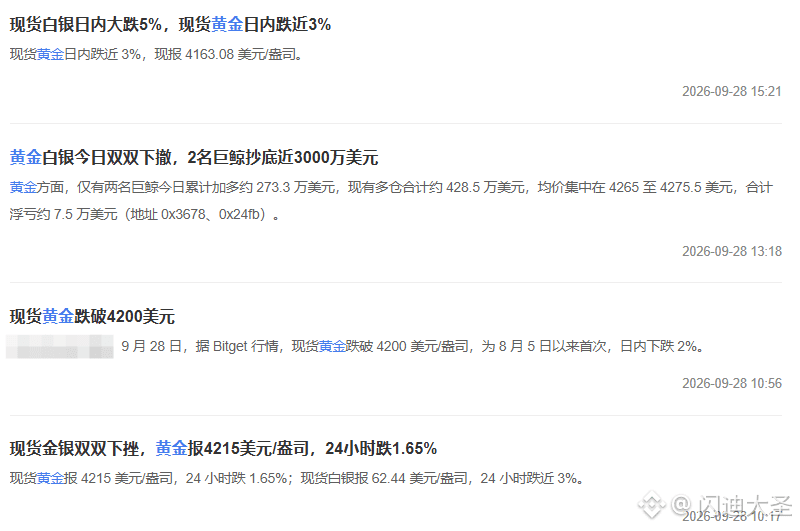
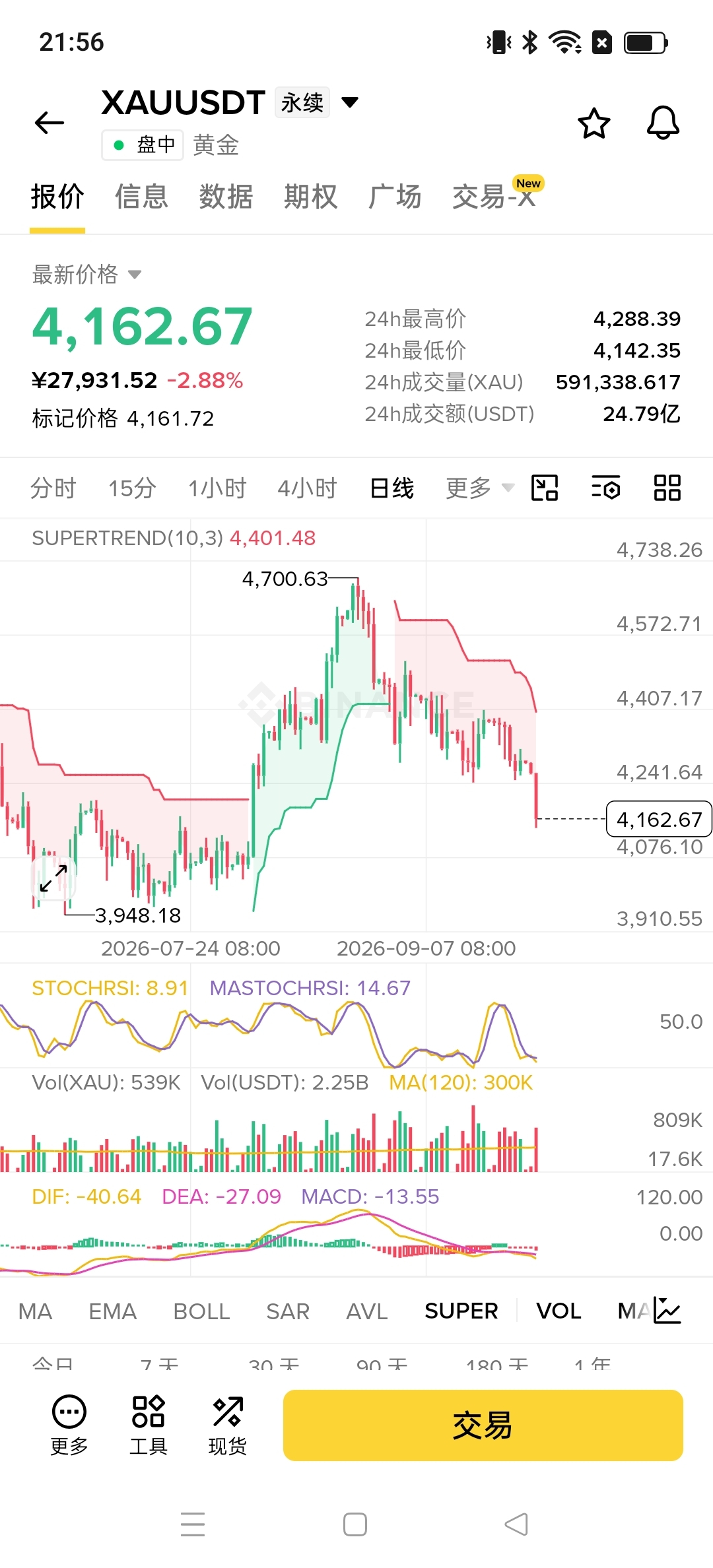
$XAU gold plunges, a chance to pick up money is here!!!
心月势不可挡
·
--
Bullish🧧🧧🧧BNB will break 800 soon—hold BNB and slowly get richer 🧧🧧🧧

心悦Joyce
·
--
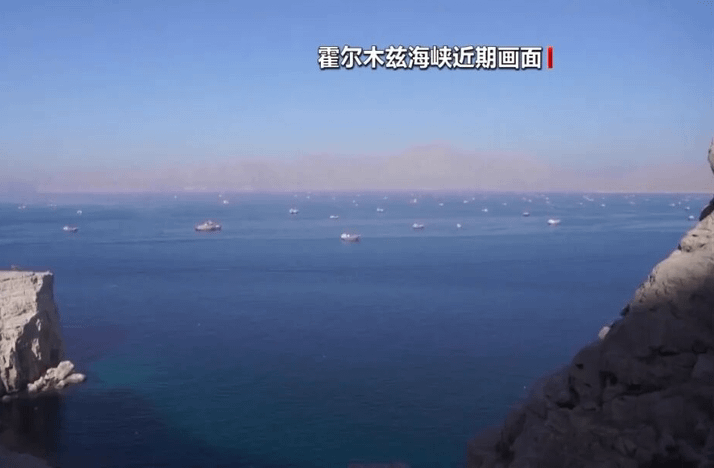
BullishReopening the Strait of Hormuz? New developments have emerged
According to an Iranian report on the 28th, Iranian Foreign Minister Hossein Amir-Abdollahian stated that Iran has discussed with the Qatari mediator all the conditions related to Iran regarding reopening the Strait of Hormuz and advancing negotiations. Qatar will convey Iran’s proposal to the United States. It is understood that during the United Nations General Assembly in New York, Amir-Abdollahian told the media about the latest meeting with the Qatari mediator, saying: “Despite some statements made by the U.S. president, we are waiting for the United States to give an official response through the mediator.” Amir-Abdollahian said the conditions proposed by Iran are “completely fair and reasonable.” He added that the Supreme Leader emphasized that some of these conditions must be implemented for the Strait of Hormuz to reopen.
Regarding whether Iran would take a flexible stance on the nuclear issue, Amir-Abdollahian described it as “nonsense.”
Also, according to U.S. sources, indirect talks between the U.S. and Iran began on the morning of the 28th. On the 25th, at a press conference held at the United Nations Headquarters in New York, Amir-Abdollahian announced that Iran had, via Qatar, conveyed to the United States a plan related to reopening the Strait of Hormuz. He said that if the U.S. takes the necessary action based on this plan, the strait could be reopened within seven days and normal shipping restored.
U.S. President Trump said on the 26th that he rejected Iran’s proposal. However, on the 27th, during a telephone interview, Trump said he expects the U.S. and Iran to restart negotiations within the coming week.
$NVDA.US
$SPCX.US
$AMD.US
According to an Iranian report on the 28th, Iranian Foreign Minister Hossein Amir-Abdollahian stated that Iran has discussed with the Qatari mediator all the conditions related to Iran regarding reopening the Strait of Hormuz and advancing negotiations. Qatar will convey Iran’s proposal to the United States. It is understood that during the United Nations General Assembly in New York, Amir-Abdollahian told the media about the latest meeting with the Qatari mediator, saying: “Despite some statements made by the U.S. president, we are waiting for the United States to give an official response through the mediator.” Amir-Abdollahian said the conditions proposed by Iran are “completely fair and reasonable.” He added that the Supreme Leader emphasized that some of these conditions must be implemented for the Strait of Hormuz to reopen.
Regarding whether Iran would take a flexible stance on the nuclear issue, Amir-Abdollahian described it as “nonsense.”
Also, according to U.S. sources, indirect talks between the U.S. and Iran began on the morning of the 28th. On the 25th, at a press conference held at the United Nations Headquarters in New York, Amir-Abdollahian announced that Iran had, via Qatar, conveyed to the United States a plan related to reopening the Strait of Hormuz. He said that if the U.S. takes the necessary action based on this plan, the strait could be reopened within seven days and normal shipping restored.
U.S. President Trump said on the 26th that he rejected Iran’s proposal. However, on the 27th, during a telephone interview, Trump said he expects the U.S. and Iran to restart negotiations within the coming week.
$NVDA.US
$SPCX.US
$AMD.US

Log in to explore more content