

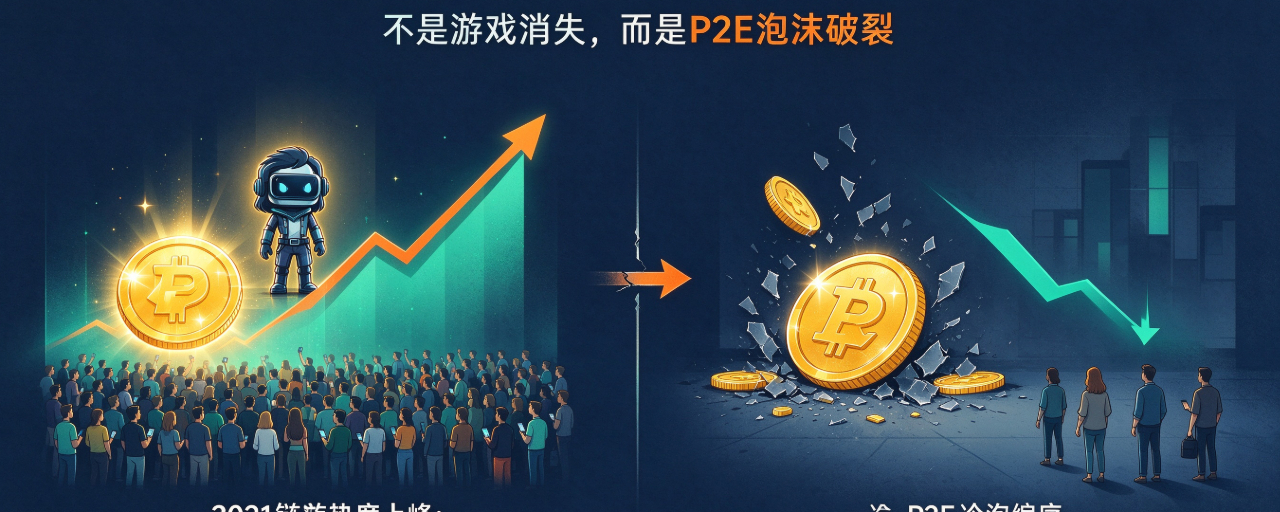

Many people still remember the boom of blockchain games (GameFi) in 2021. Axie Infinity ignited the P2E “play-to-earn” wave, drawing a large number of players into games for gold farming. Capital poured into the scene, betting on the blockchain gaming track, and new projects kept emerging, while community discussions stayed at a high level. But in just two years, the hype around chain games has quickly cooled. Most of the previously popular projects have gone quiet, and many people feel that blockchain games “are no longer popular.”
Chain games have cooled down—not because the idea of combining blockchain and games has been disproven, but because the bubble behind the early P2E model completely burst. In the past, many chain games were essentially financial products wearing a game shell. The underlying logic of this model is built on a steady stream of new players coming in as the next buyers. Players need to purchase NFT characters to enter the game, then repeatedly grind tasks to produce in-game tokens, and finally sell those tokens to realize returns.
This economic system has a fatal flaw: tokens are continuously minted, but there are not enough real in-game consumption scenarios. Token supply always exceeds consumption. Once new player growth slows and no new capital comes in to absorb it, tokens will enter an inflation-and-decline channel. After revenue shrinks, gold-farming players will集中 sell and exit the token market, further driving down the coin price and creating an irreversible death spiral.
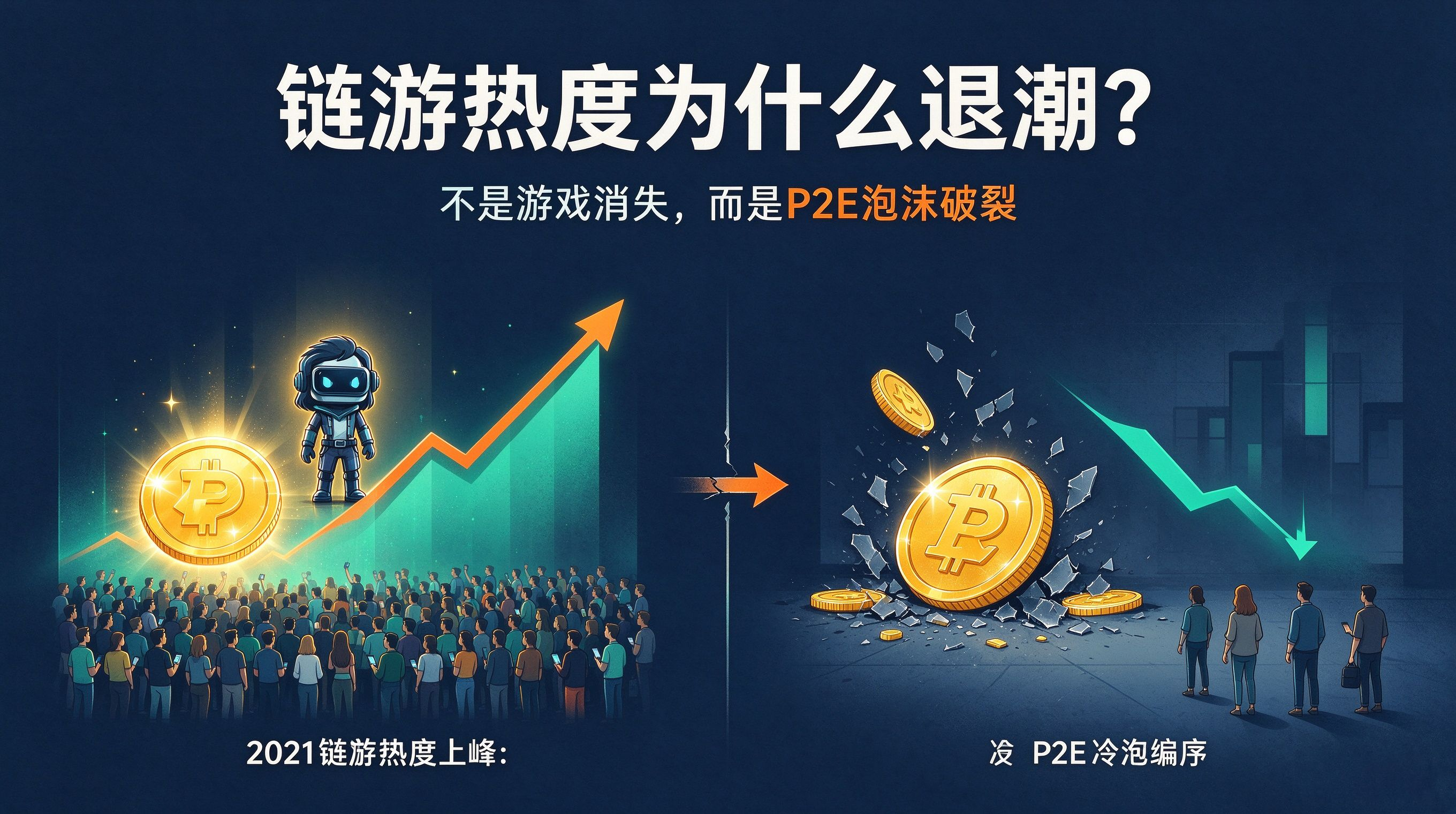
This also closely matches the token design logic we discussed earlier. Many chain game projects, when designing tokens, determine the total supply right from the start, without seriously considering the token’s real utility within the game, consumption scenarios, and how distribution and release rules are structured. Tokens are only used as “wages” paid out to gold-farming players, with no sufficient consumption pool to offset selling pressure. When everyone’s goal is to cash out tokens, nobody is willing to hold them long term, and the ecosystem cannot naturally sustain itself.
Besides the inherent flaws in token economic models, early chain games largely abandoned the games themselves at the product level. Most projects focused on designing token mining mechanisms; the storyline, art, and gameplay were all quite rough, with many being simple repetitive idle grinding. Traditional gamers pursue an entertainment experience, while the users entering early chain games had only one goal: making money. Once profits disappeared, players would leave en masse immediately, resulting in very poor user retention.
At the same time, the usage barrier created by blockchain directly keeps a vast number of ordinary players out in the cold. To play chain games (chain games), users need to create a wallet, back up and manage mnemonic phrases, handle Gas fees, and also understand a series of complex operations such as buying and selling NFTs and exchanging tokens. Compared with traditional games on mobile and PC that can be launched with a single click, this workflow is extremely unfriendly to average users. On top of that, major platforms like Steam restrict the listing of games that include NFTs and tradeable tokens, causing chain games to lose their most important distribution channel to reach the mainstream audience and remain confined to an internal loop within the crypto niche.
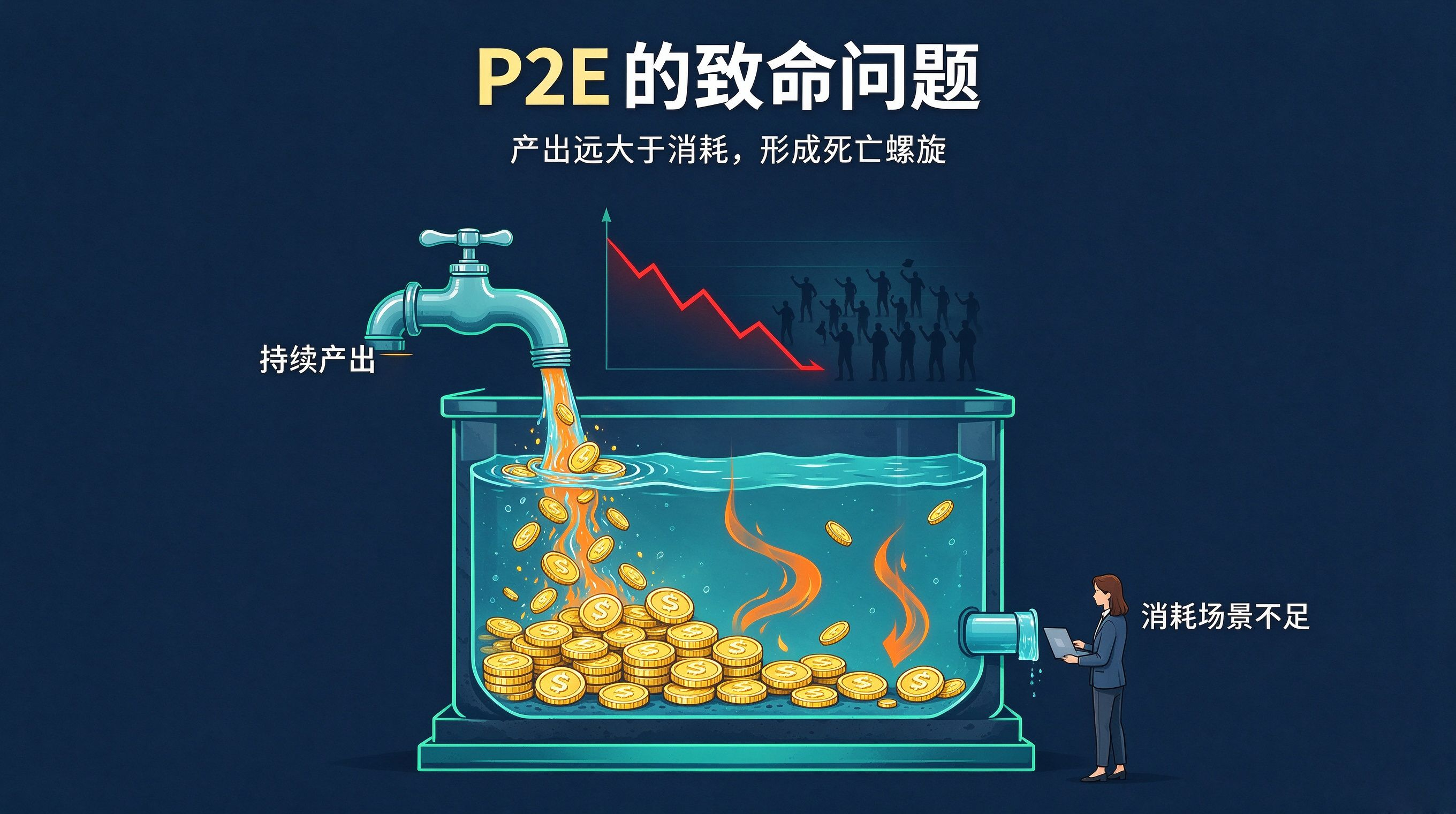
A shift in capital sentiment further accelerated the cooling of the sector. From 2021 to 2022, large amounts of Web3 risk capital poured into the GameFi track; when the bear market arrived, funds quickly withdrew and moved on to new narratives such as AI, RWA, and Layer2 infrastructure. Financing volumes in the primary market shrank dramatically. New projects lacked sufficient funding to polish their products, and many semi-finished projects were forced to shut down shortly after launching. The endless stream of Rug pull incidents steadily consumed market trust, and the public gradually formed a stereotype: chain games equal a Ponzi scheme.
Regulatory uncertainty also places shackles on the development of chain games. Regulatory policies toward crypto assets across countries have continued to tighten. The EU’s MiCA framework has been implemented, and in the United States, the SEC has repeatedly classified game tokens as securities. The core P2E gameplay of gold-farming and monetization faces compliance risks in many regions. As a result, compliance costs for project teams have risen sharply, and many once-popular models can no longer be promoted. Combined with the broader crypto market entering a bear market and overall risk appetite declining, investors are no longer willing to take high risks on chain game NFTs and tokens.
Of course, the chain game sector hasn’t completely died out; it’s just bid farewell to the全民炒币 bubble era and entered a phase of reconstruction that is less speculative and more focused on products. The industry has abandoned the old P2E narrative of “play to earn,” and shifted to a new approach: Play and Own (play and own).
In the new generation of chain games, the game experience is put first, and blockchain becomes an underlying, invisible tool rather than something that focuses on “earning by gold-farming.” NFTs are in-game items, tokens are no longer mass minted, and the emphasis is on building in-game consumption scenarios to reduce the token’s speculative characteristics. At the same time, technologies like account abstraction are simplifying wallet operations, making players barely feel that blockchain exists and lowering the entry barrier. The standards by which capital evaluates projects have also shifted from short-term token trading volume to traditional product metrics such as retention and active usage.
Simply put, there are fundamental differences between old and new chain games. In old chain games, making money is the purpose, and the game is just packaging. In new chain games, fun is the core, and on-chain assets are only an added benefit.
The past boom was a short-term frenzy produced by financial bubbles; today’s quietness comes from the industry squeezing out the excess and returning to the essence of games. If chain games want to truly break into the mainstream, they can’t rely on token speculation to attract short-term gold-farming users anymore. Only by polishing the gameplay, building a healthy and sustainable token economic model, and attracting players who genuinely love games, can long-term development become possible.