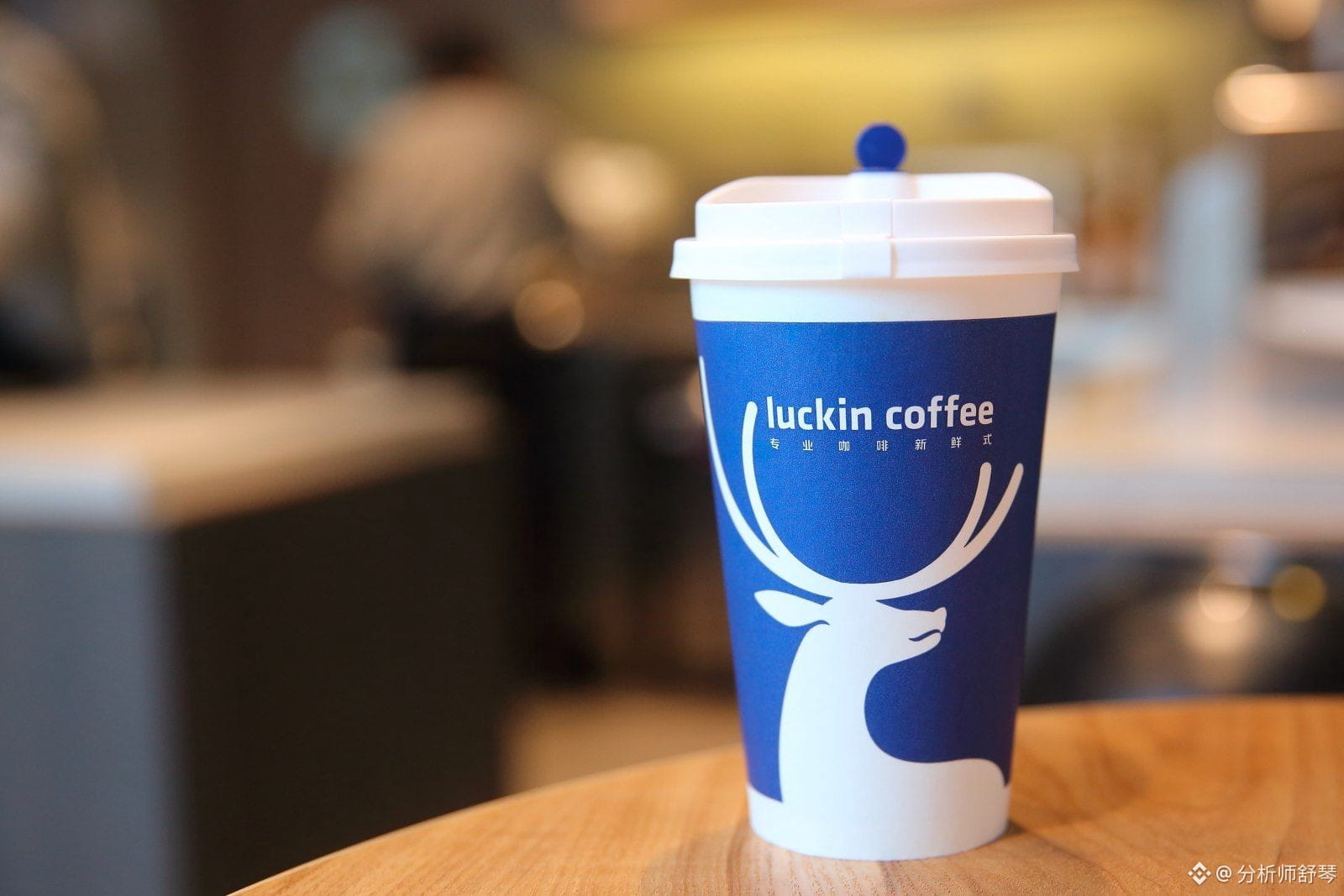
Luckin Coffee shares surge! Taking on the Middle East, this time with money from Middle Eastern tycoons—can it stage a comeback?
Luckin, which was delisted six years ago due to financial fraud, has now brought in a Middle Eastern sovereign fund as a backer, preparing to return overseas. On September 29, Luckin’s chairman, Li Hui, confirmed that the company is seriously considering moving into Gulf countries.
According to data disclosed this month, Mubadala, the Abu Dhabi sovereign fund, and Dah Zheng Capital jointly invested $1 billion. Mubadala thus acquired a stake in Luckin Coffee. This $385 billion fund had previously invested more than $20 billion in China, including in Shein and Wanda Commercial Management.
In fact, Luckin planned to enter the Middle East as early as 2019. But the following year, it was revealed that it had fabricated $2.2 billion in revenue, leading to delisting and bankruptcy. Now, with Dah Zheng Capital calling the shots, Luckin has over 36,000 stores in China. In the second quarter, revenue grew 28.5%, and monthly active users reached 113 million, surpassing Starbucks to become the largest coffee chain in China by sales. In May, Temasek disclosed a 6.4% stake. Mubadala has just entered the picture, and Sun Yuchen has also publicly said he invested in Luckin.
Why is the market interested?
Coffee consumption in the Gulf is high-frequency and stable, while demand for low-sugar and healthier options is rising—this aligns well with Luckin’s positioning. Even more, money from sovereign funds serves as geopolitical endorsement.
But the real highlight isn’t just the store count.
Luckin’s overseas scale is still limited: its Q2 results show 114 stores in Malaysia, 89 in Singapore, and 20 in the United States. This time, Luckin brought in local consortium investors in order to open up channels with political and business circles and make it easier to expand with local adaptation.
So what do you think—can Luckin’s Middle East expansion replicate the miracle of the China market? Xiaoqin is still very much looking forward to Luckin’s potential relisting on Nasdaq.
Luckin, which was delisted six years ago due to financial fraud, has now brought in a Middle Eastern sovereign fund as a backer, preparing to return overseas. On September 29, Luckin’s chairman, Li Hui, confirmed that the company is seriously considering moving into Gulf countries.
According to data disclosed this month, Mubadala, the Abu Dhabi sovereign fund, and Dah Zheng Capital jointly invested $1 billion. Mubadala thus acquired a stake in Luckin Coffee. This $385 billion fund had previously invested more than $20 billion in China, including in Shein and Wanda Commercial Management.
In fact, Luckin planned to enter the Middle East as early as 2019. But the following year, it was revealed that it had fabricated $2.2 billion in revenue, leading to delisting and bankruptcy. Now, with Dah Zheng Capital calling the shots, Luckin has over 36,000 stores in China. In the second quarter, revenue grew 28.5%, and monthly active users reached 113 million, surpassing Starbucks to become the largest coffee chain in China by sales. In May, Temasek disclosed a 6.4% stake. Mubadala has just entered the picture, and Sun Yuchen has also publicly said he invested in Luckin.
Why is the market interested?
Coffee consumption in the Gulf is high-frequency and stable, while demand for low-sugar and healthier options is rising—this aligns well with Luckin’s positioning. Even more, money from sovereign funds serves as geopolitical endorsement.
But the real highlight isn’t just the store count.
Luckin’s overseas scale is still limited: its Q2 results show 114 stores in Malaysia, 89 in Singapore, and 20 in the United States. This time, Luckin brought in local consortium investors in order to open up channels with political and business circles and make it easier to expand with local adaptation.
So what do you think—can Luckin’s Middle East expansion replicate the miracle of the China market? Xiaoqin is still very much looking forward to Luckin’s potential relisting on Nasdaq.