

易琳Ten
122 Posts

易琳Ten
交易是修行,盈利是结果,纪律是信仰。🐺📈
70 Following
20.9K+ Followers
7.6K+ Liked
Posts
All
Quotes
Videos
PINNED

PINNED

易琳Ten
·
--
Once a centralized exchange suffers a massive crypto theft, it is not only the hackers who are truly being put on trial, but also the platform’s security systems and information transparency. Academic research indicates that CEXs naturally carry custody risks, information asymmetry, and principal–agent problems, and that relying on “proof of reserves” alone cannot cover internal governance and key security.
Of course, we should not conclude “self-sabotage” based solely on the fact that funds were stolen. In reality, the FBI and blockchain security organizations have indeed, on multiple occasions, attributed major crypto theft incidents to hackers linked to North Korea.
So what users should really ask is not “who’s to blame,” but: where is the evidence? Where are the security mechanisms? Where did the money go?
Of course, we should not conclude “self-sabotage” based solely on the fact that funds were stolen. In reality, the FBI and blockchain security organizations have indeed, on multiple occasions, attributed major crypto theft incidents to hackers linked to North Korea.
So what users should really ask is not “who’s to blame,” but: where is the evidence? Where are the security mechanisms? Where did the money go?

易琳Ten
·
--
To grow the principal, you don’t rely on luck—you rely on discipline
If you don’t have much capital, really stop chasing charts blindly and making random trades.
The crypto market has never been a place where you can survive long-term by luck alone.
The smaller your principal, the less you can afford to be anxious.
The more you want to turn things around, the more you must restrain yourself.
Because the biggest advantage of small capital isn’t that you’re bold enough to gamble—it’s that you can control risk and still have a chance to start over.
Remember these 3 rules:
① Capital allocation—never go all-in
Divide your capital into three parts.
One part for short-term trades: when you have profit, take it off the table—don’t get greedy to the very end;
One part for waiting for trends: if the market hasn’t moved in your expected direction, be patient and wait;
The last part as a reserve: unless it’s truly necessary, never touch it lightly.
Always leave yourself a way to retreat.
② Only make money from what you can understand
If there’s no opportunity, stay in cash.
If there’s no signal, wait.
Not every candlestick is worth participating in,
And you don’t have to make money every day.
If you don’t understand the market, it’s better to miss it;
Only after you understand the opportunity should you act seriously.
Trading isn’t about who makes more moves—it’s about who makes fewer mistakes.
③ Take-profit and stop-loss must be executed
If you’re wrong, admit it.
If you’re in profit, reduce your position according to the plan.
If you’re at a loss, don’t mindlessly add just to average down.
The real danger has never been a single small loss.
It’s when you’re clearly wrong, but because you’re unwilling to accept it, you stubbornly turn a small loss into a big one.
No one can guarantee that every trade will be profitable.
But you can do this:
Keep small losses under control, hold onto profits, and never touch big losses.
Having a small principal isn’t scary.
What’s truly terrifying is trying to turn things around in a rush.
When you’re anxious, you chase the surge.
When you have a loss, you add.
When you get a win, you start getting greedy again.
In the end, your trading is completely taken over by emotions.
The real growth path for small capital has never been:
All-in → a sudden surge → a fortune overnight.
It should be:
First survive → control drawdowns → execute steadily → accumulate slowly → let compounding work.
So don’t always think about how much you’ll make on the next trade.
First ask yourself:
If this trade is wrong, what’s the maximum I can afford to lose?
In the end, trading isn’t about who’s most willing to gamble.
It’s about who can, through repeated fluctuations, keep their principal, keep their discipline, and keep their own rhythm.
Don’t be greedy. Don’t panic. Don’t gamble.
The first step in turning around with a small principal has never been making money—it’s learning how not to lose your chance first.
If you don’t have much capital, really stop chasing charts blindly and making random trades.
The crypto market has never been a place where you can survive long-term by luck alone.
The smaller your principal, the less you can afford to be anxious.
The more you want to turn things around, the more you must restrain yourself.
Because the biggest advantage of small capital isn’t that you’re bold enough to gamble—it’s that you can control risk and still have a chance to start over.
Remember these 3 rules:
① Capital allocation—never go all-in
Divide your capital into three parts.
One part for short-term trades: when you have profit, take it off the table—don’t get greedy to the very end;
One part for waiting for trends: if the market hasn’t moved in your expected direction, be patient and wait;
The last part as a reserve: unless it’s truly necessary, never touch it lightly.
Always leave yourself a way to retreat.
② Only make money from what you can understand
If there’s no opportunity, stay in cash.
If there’s no signal, wait.
Not every candlestick is worth participating in,
And you don’t have to make money every day.
If you don’t understand the market, it’s better to miss it;
Only after you understand the opportunity should you act seriously.
Trading isn’t about who makes more moves—it’s about who makes fewer mistakes.
③ Take-profit and stop-loss must be executed
If you’re wrong, admit it.
If you’re in profit, reduce your position according to the plan.
If you’re at a loss, don’t mindlessly add just to average down.
The real danger has never been a single small loss.
It’s when you’re clearly wrong, but because you’re unwilling to accept it, you stubbornly turn a small loss into a big one.
No one can guarantee that every trade will be profitable.
But you can do this:
Keep small losses under control, hold onto profits, and never touch big losses.
Having a small principal isn’t scary.
What’s truly terrifying is trying to turn things around in a rush.
When you’re anxious, you chase the surge.
When you have a loss, you add.
When you get a win, you start getting greedy again.
In the end, your trading is completely taken over by emotions.
The real growth path for small capital has never been:
All-in → a sudden surge → a fortune overnight.
It should be:
First survive → control drawdowns → execute steadily → accumulate slowly → let compounding work.
So don’t always think about how much you’ll make on the next trade.
First ask yourself:
If this trade is wrong, what’s the maximum I can afford to lose?
In the end, trading isn’t about who’s most willing to gamble.
It’s about who can, through repeated fluctuations, keep their principal, keep their discipline, and keep their own rhythm.
Don’t be greedy. Don’t panic. Don’t gamble.
The first step in turning around with a small principal has never been making money—it’s learning how not to lose your chance first.

易琳Ten
·
--
Wealth is the monetization of energy.
Energy levels are your wealth ceiling.
Like attracts like; those with higher energy carry a fortune of their own.
Follow me, and I’ll share more trading insights.
Energy levels are your wealth ceiling.
Like attracts like; those with higher energy carry a fortune of their own.
Follow me, and I’ll share more trading insights.

易琳Ten
·
--
On Binance, what you earn is not just money from the market.
Here, it’s not only about trading opportunities—there are also many hidden opportunities for work, partnerships, and ways to make money.
Some people make their first pot of gold by trading,
others find their direction through research, content, projects, and communities,
and still others open up new opportunities just by entering this industry and meeting more people.
In the crypto world, real opportunities have never been limited to the K-line charts.
Understanding the market is a skill; spotting and creating opportunities is an even greater one.
Don’t just watch price movements—opportunities are often hidden where you haven’t noticed.
Here, it’s not only about trading opportunities—there are also many hidden opportunities for work, partnerships, and ways to make money.
Some people make their first pot of gold by trading,
others find their direction through research, content, projects, and communities,
and still others open up new opportunities just by entering this industry and meeting more people.
In the crypto world, real opportunities have never been limited to the K-line charts.
Understanding the market is a skill; spotting and creating opportunities is an even greater one.
Don’t just watch price movements—opportunities are often hidden where you haven’t noticed.


CJ_GraceWang1688
·
--
10u
🎁🎁🎁
$DOGE
#狗狗币ETF创上市来最大周流入
Can Dogecoin hold steady at 0.1 next week?
🎁🎁🎁
$DOGE
#狗狗币ETF创上市来最大周流入
Can Dogecoin hold steady at 0.1 next week?

Sara_ k
·
--
$NVDAB $AAPL.US
.
claim 1 🧧🧧🧧👈 .
.
claim2 🧧🧧🧧👈
.
claim 1 🧧🧧🧧👈 .
.
claim2 🧧🧧🧧👈


奕泽YIZZE
·
--
🧧🧧🧧Follow, like, share, and get red envelopes!
静待时光沉淀,LUCIC前路自有万丈光芒。
静待时光沉淀,LUCIC前路自有万丈光芒。



Ahmed Ali Nizamani
·
--
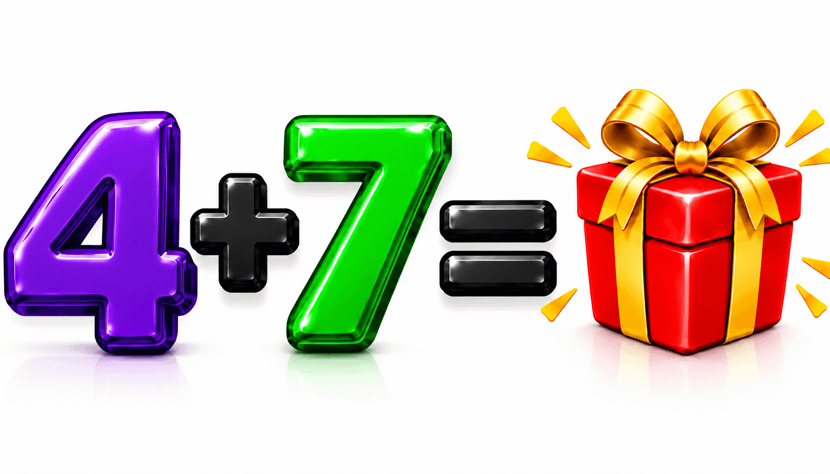
Lets play again 4 and 7 = 🤔🎁🎁🎁🎁

圣克斯Lucky1688
·
--
🧧🎁🌹🧧🎁🌹
September 27 Information Quick Review:
Miner sell pressure may ease: JPMorgan analysis says that the current Bitcoin price has returned to the production cost range of around $85,000. As some miners get through the period of cost inverted pressure, overall miner selling pressure may further ease.
The Fed advances new stablecoin rules under the GENIUS Act: The Federal Reserve has officially released two highly anticipated stablecoin rule proposals in connection with the GENIUS Act. The proposals enter a 60-day public comment period. The proposals require that payment stablecoins issued by regulated banks must be backed by fully compliant 1:1 reserves (supporting U.S. Treasuries, Federal Reserve deposits, etc.), must unconditionally satisfy user redemptions within 2 business days, and must establish standardized capital charging and anti-money-laundering review standards.
U.S. stocks officially become DeFi collateral: Lending giant Aave has achieved a milestone—users can now officially deposit tokenized U.S. stocks, including seven tokenized equities such as Apple, Nvidia, and Tesla, into the platform and use them as collateral to borrow USDC.
Scale and risk-control limits: According to the initial settings from risk-control provider LlamaRisk, the loan-to-value (LTV) ratio for this batch of tokenized stocks (supported by Coinbase) is controlled between 65% and 79%. The initial USDC borrowing limit is set at $21 million—an important step toward deeper integration between TradFi (traditional finance) and DeFi.
Bitget exchange suffers a security incident: Blockchain security monitoring shows that the exchange Bitget was hacked and a large amount of XRP was transferred out (worth about $83 million). Since the XRP ledger (XRPL) native architecture does not support directly freezing assets by a single issuing party, Ripple appears powerless in responding to such cross-chain hacker transfers, sparking heated community debate over freezing and security mechanisms for assets on specific chains.
Follow me—answer 1 to take away the $SOL 红包 (red packet)!
September 27 Information Quick Review:
Miner sell pressure may ease: JPMorgan analysis says that the current Bitcoin price has returned to the production cost range of around $85,000. As some miners get through the period of cost inverted pressure, overall miner selling pressure may further ease.
The Fed advances new stablecoin rules under the GENIUS Act: The Federal Reserve has officially released two highly anticipated stablecoin rule proposals in connection with the GENIUS Act. The proposals enter a 60-day public comment period. The proposals require that payment stablecoins issued by regulated banks must be backed by fully compliant 1:1 reserves (supporting U.S. Treasuries, Federal Reserve deposits, etc.), must unconditionally satisfy user redemptions within 2 business days, and must establish standardized capital charging and anti-money-laundering review standards.
U.S. stocks officially become DeFi collateral: Lending giant Aave has achieved a milestone—users can now officially deposit tokenized U.S. stocks, including seven tokenized equities such as Apple, Nvidia, and Tesla, into the platform and use them as collateral to borrow USDC.
Scale and risk-control limits: According to the initial settings from risk-control provider LlamaRisk, the loan-to-value (LTV) ratio for this batch of tokenized stocks (supported by Coinbase) is controlled between 65% and 79%. The initial USDC borrowing limit is set at $21 million—an important step toward deeper integration between TradFi (traditional finance) and DeFi.
Bitget exchange suffers a security incident: Blockchain security monitoring shows that the exchange Bitget was hacked and a large amount of XRP was transferred out (worth about $83 million). Since the XRP ledger (XRPL) native architecture does not support directly freezing assets by a single issuing party, Ripple appears powerless in responding to such cross-chain hacker transfers, sparking heated community debate over freezing and security mechanisms for assets on specific chains.
Follow me—answer 1 to take away the $SOL 红包 (red packet)!




生蚝哥Oyster
·
--
Crypto Currency Daily Report (September 28, 2026)
Market Overview
The global cryptocurrency total market cap is approximately $2.89T–$2.97T, largely flat or slightly up over the past 24 hours (0–1%). 24-hour trading volume is about $60B–$70B. Bitcoin’s dominance is around 57–58.6%.
The Fear & Greed Index from most sources is in the 70–74 range (Greed); some sources show neutral readings. Overall sentiment is optimistic but not extreme.
Major Coin Prices
- **Bitcoin (BTC)**: Approximately $84,400–$84,500 (24h basically flat to +0.3%, 7d about +3.5–5.5%). It briefly broke above $87,000 during the week, and is currently consolidating in the $84k–$85k range.
- **Ethereum (ETH)**: Approximately $2,685–$2,690 (24h basically flat).
- **BNB**: Approximately $778–$780.
- **Solana (SOL)**: Approximately $122 (24h +0.6%, and strong 7-day performance around +9–14%).
Overall, altcoins have performed better than BTC this week. Movers include SUI, NEAR, QNT, ADA, DOGE, and others.
Key Developments Today / Soon
- **Strong ETF fund inflows**: U.S. spot Bitcoin ETFs saw net inflows of about **$2.4B** last week (the strongest week since October 2025), helping turn the 2026 net flow back positive. Institutional demand remains a key support factor.
- **Bitget security incident**: Estimated losses have been revised up to **$387.5M**. The attacker has transferred about $83M worth of XRP. The exchange plans to resume withdrawals in phases starting today (September 28), with BTC prioritized and XRP later.
- **Quant (QNT) surges**: Driven by The Clearing House selecting it to support a tokenized deposits network for U.S. banks (On-Chain Money Initiative), the weekly jump ranges from over 100–300% (depending on the time-point data), while trading volume surged.
Brief Analysis
After breaking out, Bitcoin has moved into consolidation. The key thing to watch is whether $85,000 can become support. Altcoins (especially those related to Layer 1 and interoperability such as QNT, SOL, NEAR, SUI) have been active in the short term, indicating capital rotation. Institutional ETF inflows and the bank partnership narrative (tokenization) are positive catalysts right now, but macro interest rates and security incidents remain risks.
Market Overview
The global cryptocurrency total market cap is approximately $2.89T–$2.97T, largely flat or slightly up over the past 24 hours (0–1%). 24-hour trading volume is about $60B–$70B. Bitcoin’s dominance is around 57–58.6%.
The Fear & Greed Index from most sources is in the 70–74 range (Greed); some sources show neutral readings. Overall sentiment is optimistic but not extreme.
Major Coin Prices
- **Bitcoin (BTC)**: Approximately $84,400–$84,500 (24h basically flat to +0.3%, 7d about +3.5–5.5%). It briefly broke above $87,000 during the week, and is currently consolidating in the $84k–$85k range.
- **Ethereum (ETH)**: Approximately $2,685–$2,690 (24h basically flat).
- **BNB**: Approximately $778–$780.
- **Solana (SOL)**: Approximately $122 (24h +0.6%, and strong 7-day performance around +9–14%).
Overall, altcoins have performed better than BTC this week. Movers include SUI, NEAR, QNT, ADA, DOGE, and others.
Key Developments Today / Soon
- **Strong ETF fund inflows**: U.S. spot Bitcoin ETFs saw net inflows of about **$2.4B** last week (the strongest week since October 2025), helping turn the 2026 net flow back positive. Institutional demand remains a key support factor.
- **Bitget security incident**: Estimated losses have been revised up to **$387.5M**. The attacker has transferred about $83M worth of XRP. The exchange plans to resume withdrawals in phases starting today (September 28), with BTC prioritized and XRP later.
- **Quant (QNT) surges**: Driven by The Clearing House selecting it to support a tokenized deposits network for U.S. banks (On-Chain Money Initiative), the weekly jump ranges from over 100–300% (depending on the time-point data), while trading volume surged.
Brief Analysis
After breaking out, Bitcoin has moved into consolidation. The key thing to watch is whether $85,000 can become support. Altcoins (especially those related to Layer 1 and interoperability such as QNT, SOL, NEAR, SUI) have been active in the short term, indicating capital rotation. Institutional ETF inflows and the bank partnership narrative (tokenization) are positive catalysts right now, but macro interest rates and security incidents remain risks.


悠哉独自在
·
--
$HYPE near 92 ground down for a whole day
The 15-minute and 1-hour MACD both turned bullish (flipped red). It feels like it might bounce upward. But the 4-hour chart is still a dead cross, and the green bars haven’t fully closed out, so the larger timeframe is still in adjustment. For resistance, first look at 93.5 to 94; for support, 90 to 91.
The contract data is more interesting: open interest rebounded from the morning low to around 8.3M. Based on the large holders’ long/short ratio by positioning, it’s around 1.8, slightly bullish.
However, the basis is negative, and the funding rate is also -0.0056%. Futures are cheaper than spot, which suggests market sentiment isn’t particularly euphoric. The active buy/sell volume is back-and-forth, with no overwhelming one-sided advantage.
My plan isn’t to jump in right away. I’ll wait for this 4-hour adjustment wave to finish. If it can consolidate sideways with lower volume around 90, then I’ll consider trying with a small position.
Personal review only; not investment advice
#hype $HYPE
The 15-minute and 1-hour MACD both turned bullish (flipped red). It feels like it might bounce upward. But the 4-hour chart is still a dead cross, and the green bars haven’t fully closed out, so the larger timeframe is still in adjustment. For resistance, first look at 93.5 to 94; for support, 90 to 91.
The contract data is more interesting: open interest rebounded from the morning low to around 8.3M. Based on the large holders’ long/short ratio by positioning, it’s around 1.8, slightly bullish.
However, the basis is negative, and the funding rate is also -0.0056%. Futures are cheaper than spot, which suggests market sentiment isn’t particularly euphoric. The active buy/sell volume is back-and-forth, with no overwhelming one-sided advantage.
My plan isn’t to jump in right away. I’ll wait for this 4-hour adjustment wave to finish. If it can consolidate sideways with lower volume around 90, then I’ll consider trying with a small position.
Personal review only; not investment advice
#hype $HYPE

王仔大王
·
--
Since the banquet can’t be avoided, then raise your cup to socialize and make sure favors are delivered properly—our bottom line won’t retreat. $NVDAB






Log in to explore more content