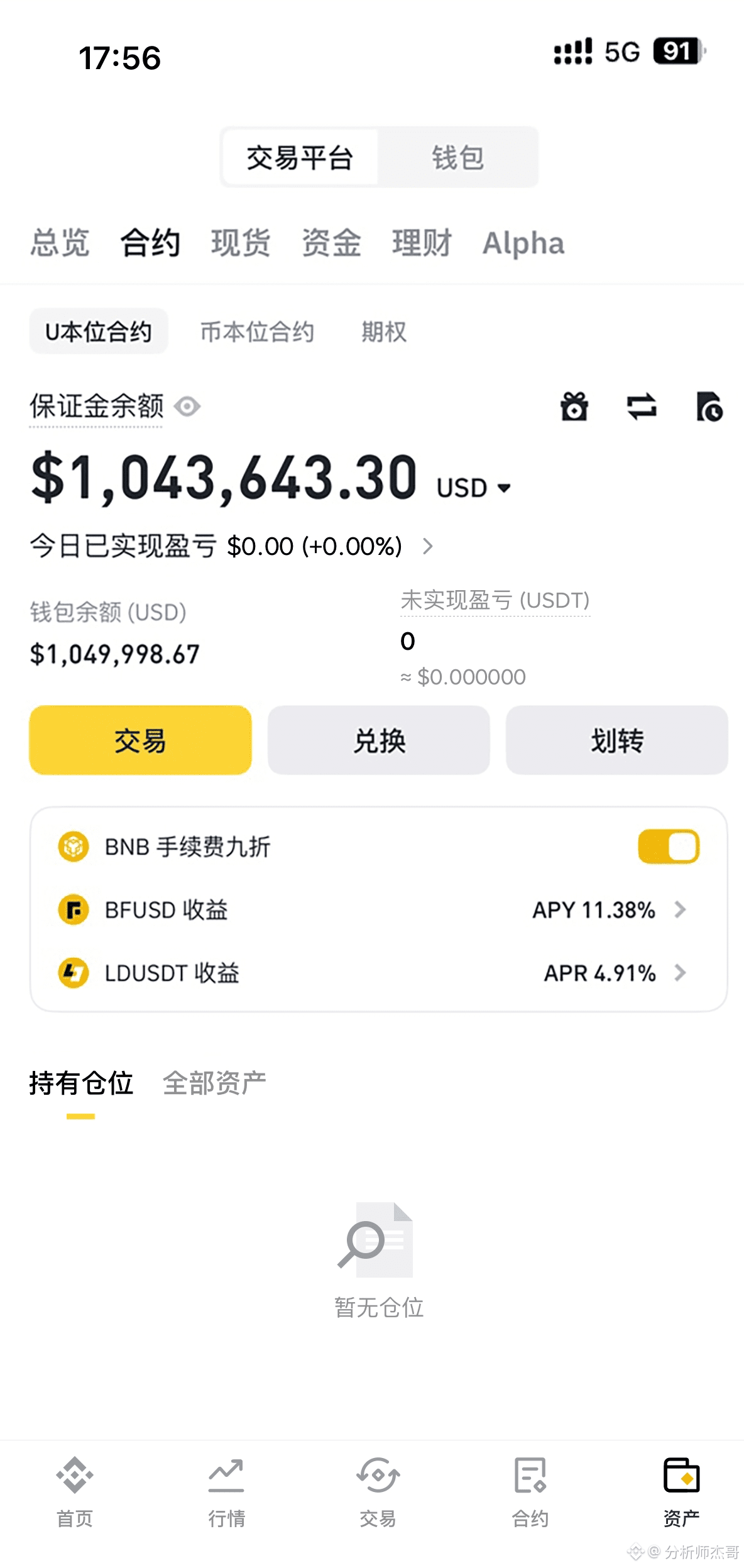
The most head-spinning moment in the #币圈 era is when, within half an hour, a position worth several thousand U suddenly rolls into tens of thousands of U.
In that second, the brain creates a powerful illusion: so in this market, making money has such a low threshold.
Many people start right from that moment—trying to roll a position for the first time—and unconsciously step by step drag themselves into risk.
Rolling a position itself is never a terrifying flood. It’s more like an amplifier with dual attributes: when the trend is correct, profits can multiply along with the market; once the direction goes wrong, the drawdown speed will be far faster than with a normal position.
What’s truly dangerous is never the first entry. It’s after you’ve gotten a few right in a row, when people start to subconsciously think, “This time I definitely won’t be wrong.”
When they’re in profit, they’re reluctant to take it off the table; when they’re at a loss, they refuse to acknowledge it and cut it quickly. The position gets opened bigger and bigger, take-profit keeps getting postponed, and they grow so certain that the next leg will continue the previous luck. Then when the market gently turns, the profits they had accumulated are quickly given back. In severe cases, even the initial principal gets thrown in as well.
Now when I roll positions, I’m much more cautious than when I first entered the industry. For the first trade, I use only a very small position to test; if the direction is wrong, I exit right away, and I cap losses in advance. After confirming the trend is running smoothly, only then do I dare to slowly add size using the unrealized gains that have already been “laid to rest.” The principal is always protected behind the scenes—I never move all the principal to gamble on the uncertain next leg.
And there’s a habit I’ve stuck with for many years: every time the account climbs to a new level, I proactively set aside a portion of profits. No matter how good the numbers floating on the screen look, before profits are truly realized, they can always turn back into nothing more than a string of market fluctuations.
Rolling positions also isn’t something that works in every market. In a clear one-way trend, rolling with the trend can magnify returns. But if the market is whipsawing back and forth and you keep adding, in the end you won’t roll out any real profit—you’ll just make your position more and more chaotic.
If you can主动收手—stop when needed—and you can take profits in time, and when you’re wrong you dare to exit decisively—then you earn the right to place the next steady bet.
In that second, the brain creates a powerful illusion: so in this market, making money has such a low threshold.
Many people start right from that moment—trying to roll a position for the first time—and unconsciously step by step drag themselves into risk.
Rolling a position itself is never a terrifying flood. It’s more like an amplifier with dual attributes: when the trend is correct, profits can multiply along with the market; once the direction goes wrong, the drawdown speed will be far faster than with a normal position.
What’s truly dangerous is never the first entry. It’s after you’ve gotten a few right in a row, when people start to subconsciously think, “This time I definitely won’t be wrong.”
When they’re in profit, they’re reluctant to take it off the table; when they’re at a loss, they refuse to acknowledge it and cut it quickly. The position gets opened bigger and bigger, take-profit keeps getting postponed, and they grow so certain that the next leg will continue the previous luck. Then when the market gently turns, the profits they had accumulated are quickly given back. In severe cases, even the initial principal gets thrown in as well.
Now when I roll positions, I’m much more cautious than when I first entered the industry. For the first trade, I use only a very small position to test; if the direction is wrong, I exit right away, and I cap losses in advance. After confirming the trend is running smoothly, only then do I dare to slowly add size using the unrealized gains that have already been “laid to rest.” The principal is always protected behind the scenes—I never move all the principal to gamble on the uncertain next leg.
And there’s a habit I’ve stuck with for many years: every time the account climbs to a new level, I proactively set aside a portion of profits. No matter how good the numbers floating on the screen look, before profits are truly realized, they can always turn back into nothing more than a string of market fluctuations.
Rolling positions also isn’t something that works in every market. In a clear one-way trend, rolling with the trend can magnify returns. But if the market is whipsawing back and forth and you keep adding, in the end you won’t roll out any real profit—you’ll just make your position more and more chaotic.
If you can主动收手—stop when needed—and you can take profits in time, and when you’re wrong you dare to exit decisively—then you earn the right to place the next steady bet.