
Reality vs. Fake Influencers
In Pakistan, the moment crypto enters the conversation, one name surfaces almost automatically: #waqarzaka He was among the earliest voices who claimed Bitcoin would turn ordinary people into millionaires.
That part holds some truth. After 2015, Bitcoin delivered one of the most powerful bull runs in modern financial history. A significant number of early holders did, in fact, become millionaires.
Many other influencers made similar calls — predicting Bitcoin at $100,000, and more recently $1 million. Whether that higher target materializes in the next five years remains an open question. Markets move on far more than social-media forecasts.
Here is the deeper reality most people miss:
Even if certain predictions eventually prove correct, the information about Bitcoin was never exclusive to any single personality. The asset class would have reached public awareness regardless. What created the aura of authority was timing and repetition. Trust was built. And once trust reaches a critical mass, the temptation to monetize it becomes almost irresistible.
The darker chapter followed.
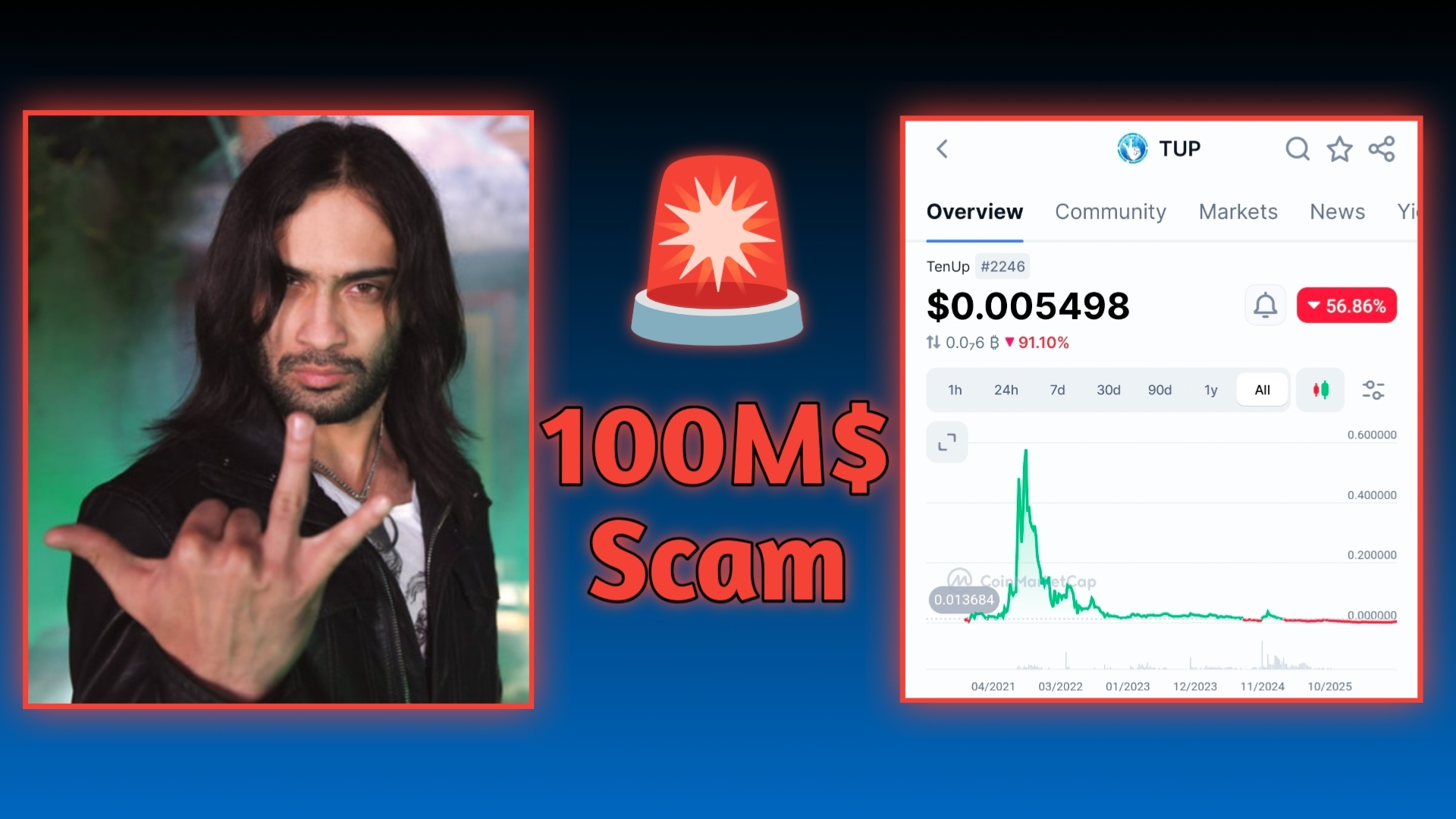
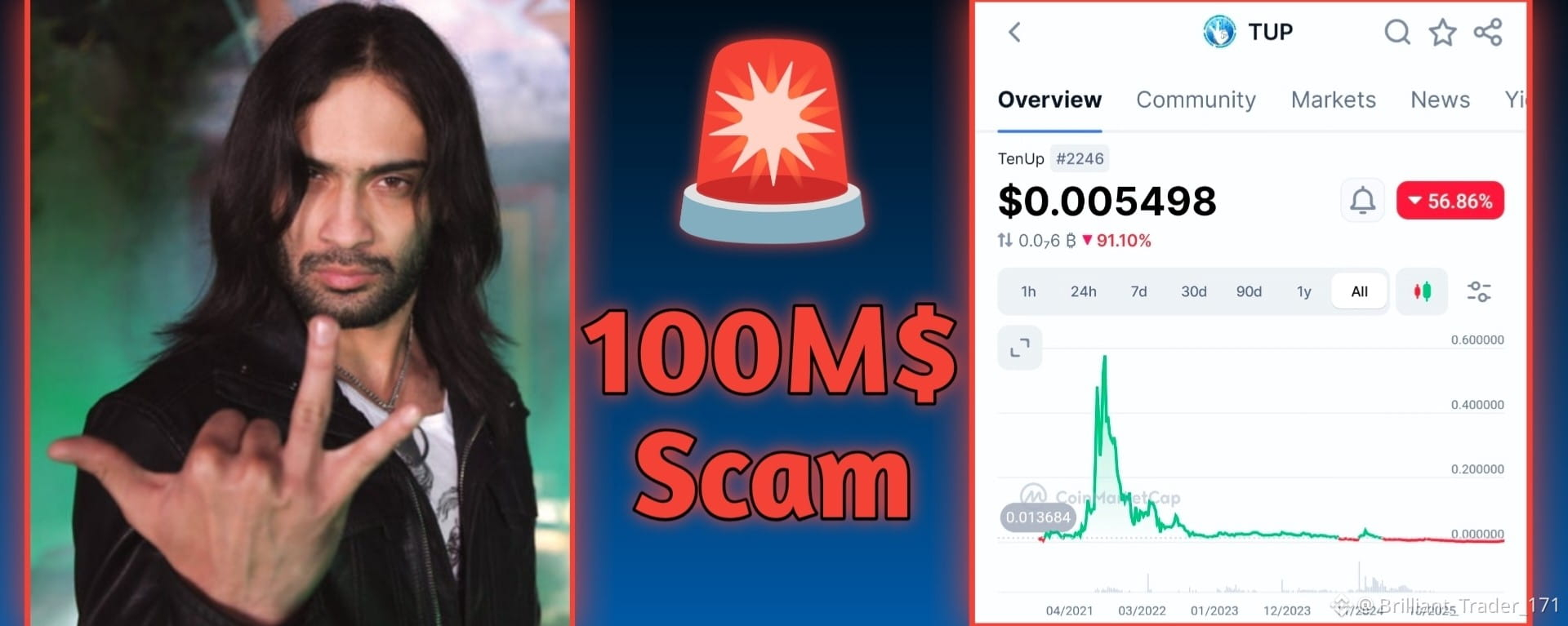
When it became clear that a large audience had placed complete faith in him, the opportunity was too large to ignore. Alongside a small circle of associates, a new token — #tup — was launched. The narrative was familiar and effective: just as Bitcoin delivered life-changing returns, TUP would reach $1 and deliver 10x to 100x gains. People were encouraged to liquidate assets, even homes, to participate.
Because the promoter was already trusted and the project was presented as “his,” capital flooded in. Market capitalization briefly exceeded $100 million.
Today that same token trades at a market capitalization of roughly $580,000.
The remaining question is simple and uncomfortable: where did the rest of the capital go?
This is the classic pattern of a manufactured narrative sold on trust rather than fundamentals. The majority of retail participants never examine tokenomics, team transparency, liquidity locks, or actual utility. They follow personalities. That gap is where the real damage occurs.
This is precisely why I take a different approach.
Every trade or investment thesis I share is accompanied by clear reasoning and fundamental analysis. No recommendation is issued without it. The goal is not to create followers who act on blind trust, but informed participants who understand why a position makes sense — and when it no longer does.