

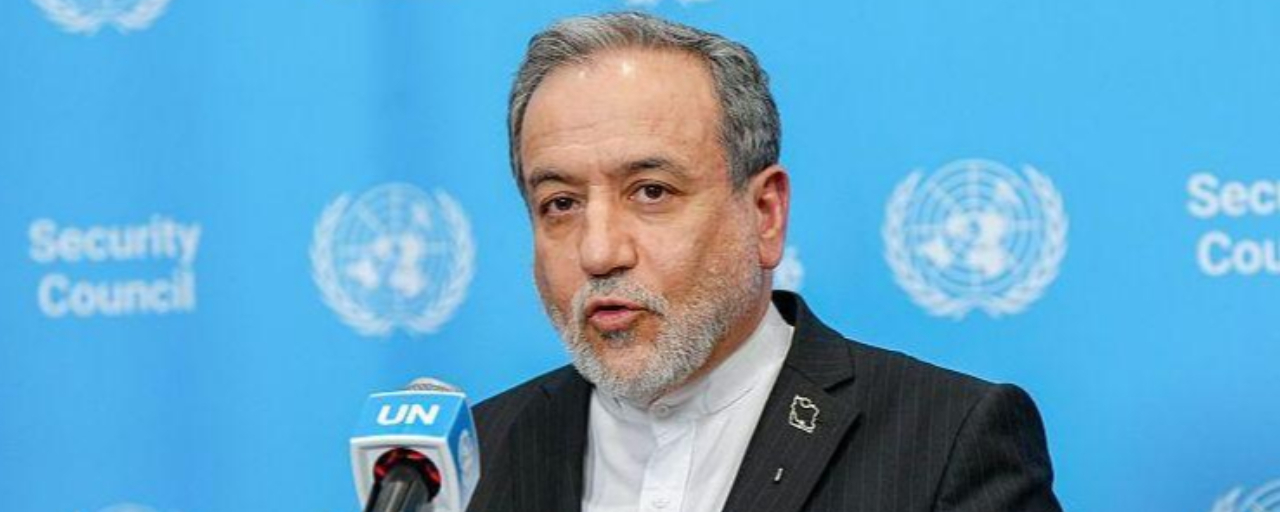

Oil slid hard on Friday, and the reason fit the pattern that has defined this market all year: Iran asked Washington to come back to the interim deal both sides signed in June, the same one that fell apart within weeks and did nothing to reopen the Strait of Hormuz.
The numbers: WTI settled at $92.41 a barrel, down 2.33% on the day. Brent finished at $104.32, off 2.14%. Zoom out to the week and WTI's picture gets uglier fast, down 3.79%, on top of a 3.97% slide the week before that had already knocked the contract to $96.08. Prices opened this week near $96.75, poked up to $97.22, then dropped as low as $88.67. The week before that was worse, with a wide swing between $94.83 and $106.75.
Brent, oddly, went the other way. It gained 0.43% for the week, clawing back some of the 0.71% it lost the week before at $103.87. Its range, $97.36 to $108.23, was tighter than the previous week's $101.53 to $109.80. Maybe that means the market is settling down. Probably not.
Indirect contacts between Washington and Tehran are underway through intermediaries, according to a high-ranking source who spoke to Al Arabiya, with the American response still pending. Guarantees and coordinated next steps are the focus right now, the source said, and whatever comes out of it will likely arrive in phases, not all at once. A second, separate source put it more plainly: a return to the original memorandum of understanding is possible.
Al Jazeera's correspondent in Tehran is hearing something similar. What started as informal contacts in New York has become something more technical, sources there say, describing the mood as increasingly upbeat. Technical experts from both delegations joined in after an opening round led by U.S. envoys Steve Witkoff and Jared Kushner. Iran's own team, whose American visas had briefly stalled, got them in time to take part.
Doha is still the one holding the talks together. Qatar is pushing an accelerated seven-day plan to reopen the Strait of Hormuz, contingent on Washington lifting its blockade, a much faster timeline than the 60-day version floated earlier. The wider conversation runs beyond the strait, too, touching Iran's nuclear program, sanctions relief, the restoration of Iranian oil exports, and access to billions in frozen assets.
Who actually controls the strait is a separate, thornier question. On the table: a joint Iran-Oman framework that would fold in other regional states and the U.S., plus rules governing how American vessels get to pass through. Nobody has cracked that one yet.
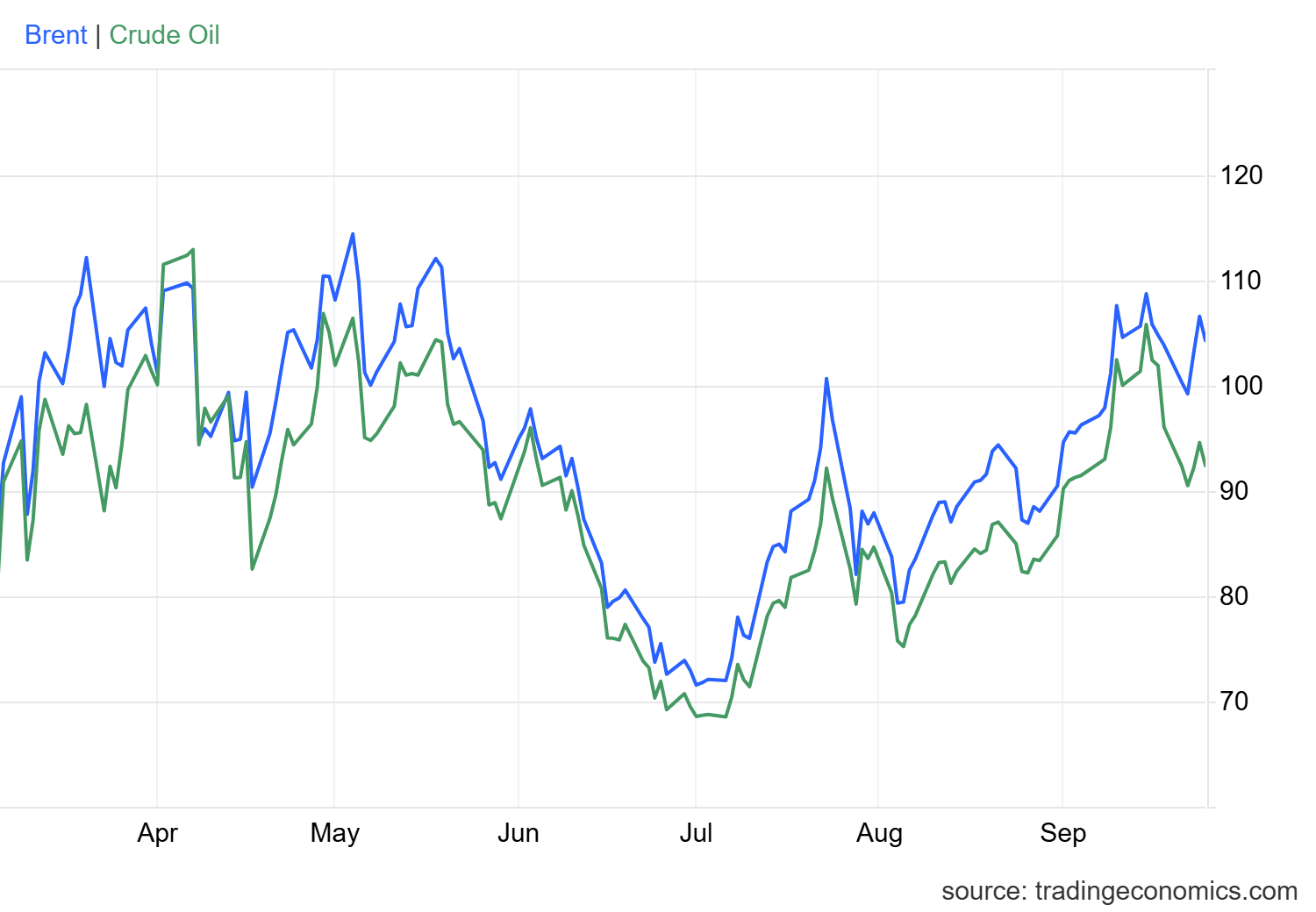
Abbas Araghchi, Iran's foreign minister, laid out his government's position to reporters at the United Nations. Tehran has already handed Washington a concrete seven-day plan, he said, and the clock starts running the moment the U.S. signs off. None of what Washington needs to do is new, in his telling; it was already written into the MOU. "The choice now rests with the United States," he said. Iran, he added, will not bend on its sovereign rights under pressure, and the strait, in his view, opens eventually regardless, just on Tehran's terms.
Washington Isn't Watching the Clock
Washington's side of the story reads nothing like that. Trump opposes a ceasefire and has told aides he expects U.S. strikes on Iran to resume after the midterm elections, according to the Wall Street Journal, which also reported he doubts Tehran would follow through even if a deal got signed. One U.S. official was more blunt about it with Al Jazeera: Washington controls the strait and is "not in a hurry to reach an agreement with Iran."
Tehran isn't moving either. The strait "will remain closed," a senior Iranian official said, and there will be no nuclear talks until Iran's conditions are met in full, let alone any concessions on the nuclear program itself. Two capitals, two deadlines. They don't match.
Saudi Arabia Finds a Way Around the Blockade
All this talking hasn't stopped Saudi Arabia from quietly solving its own supply problem. The kingdom is now shipping 6 million barrels a day, per the trade intelligence firm Kpler, the highest figure since the war with Iran began about seven months ago and enough to bring exports back in line with the full 2025 average. It's managed that even after losing the East-West pipeline, its usual detour around the Strait of Hormuz, when a drone attack launched from Iraq forced the line shut. September's total now sits nearly 80% above August's 3.4 million barrels a day.
The Kingdom Keeps Getting Hit
Recovering exports haven't bought Riyadh any quiet skies. Early Saturday, the Saudi-led coalition said it was tracking a fresh wave of missile and drone attacks, then confirmed it had shot down two ballistic missiles headed for Khamis Mushait and two drones bound for the capital. Civil defense crews had put out overnight hazard warnings for Khamis Mushait and Abha. Both were lifted by morning. No casualties were reported.
None of it adds up to a market that's settled. Iran has a number on the table and a clock running against it. Washington isn't watching that clock, not yet anyway.