

易琳Ten
127 Posts

易琳Ten
交易是修行,盈利是结果,纪律是信仰。🐺📈
67 Following
20.1K+ Followers
6.9K+ Liked
Posts
All
Quotes
Videos
PINNED

PINNED


奕泽YIZZE
·
--
点击👉🏽 加入我的战队! Red envelopes are sent out every week🧧🧧🧧🧧🎁🎁🎁🎁
大鹤1688
·
--
$AAPL.US $Happy Mid-Autumn Festival to everyone! The ingots you hold are skyrocketing!!!
#以太坊突破2700美元
#以太坊突破2700美元
Shahzad mugheera
·
--
6+8=14


花涧空
·
--
Will Bitcoin break a 14-year historical rule?
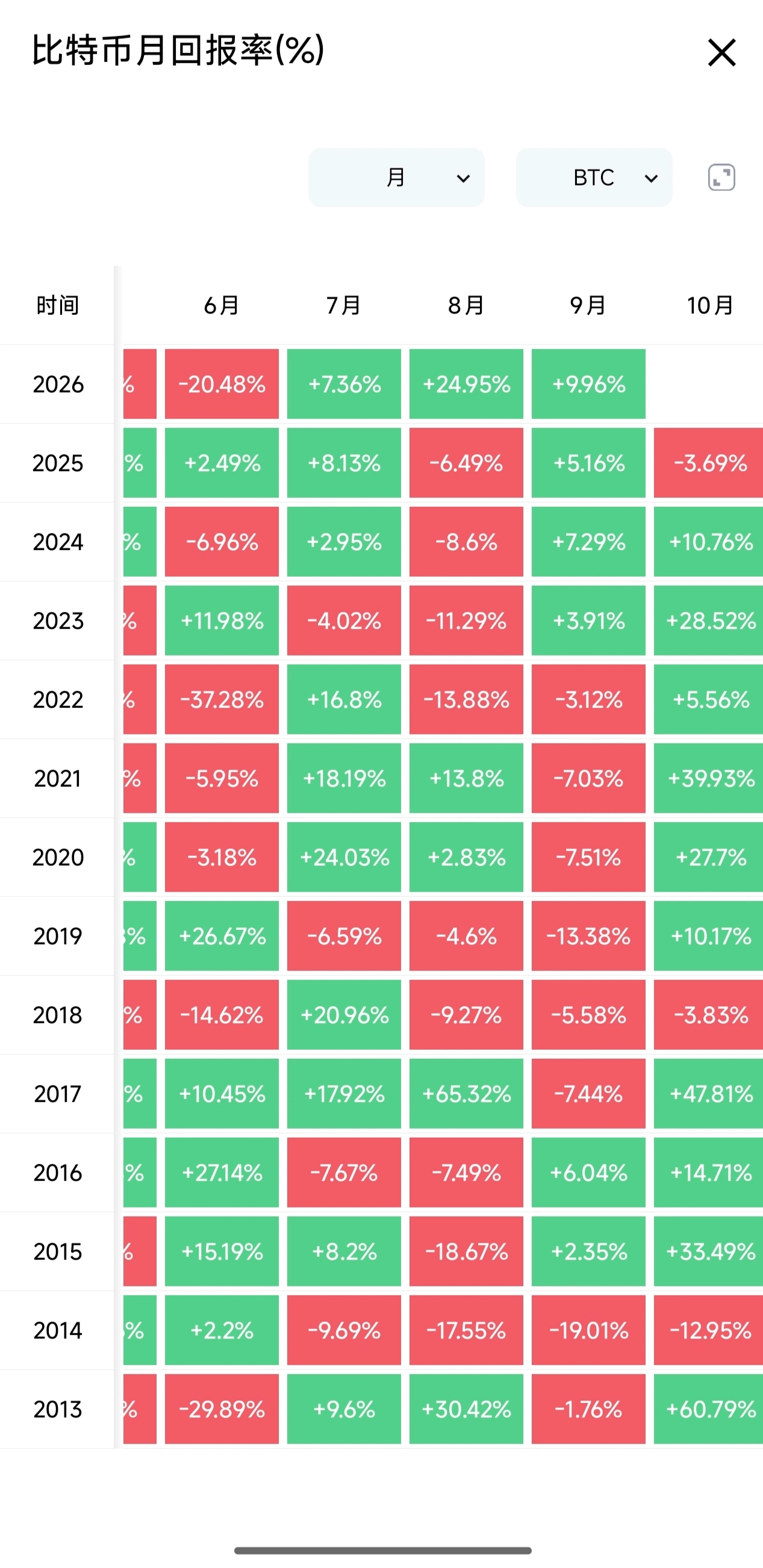
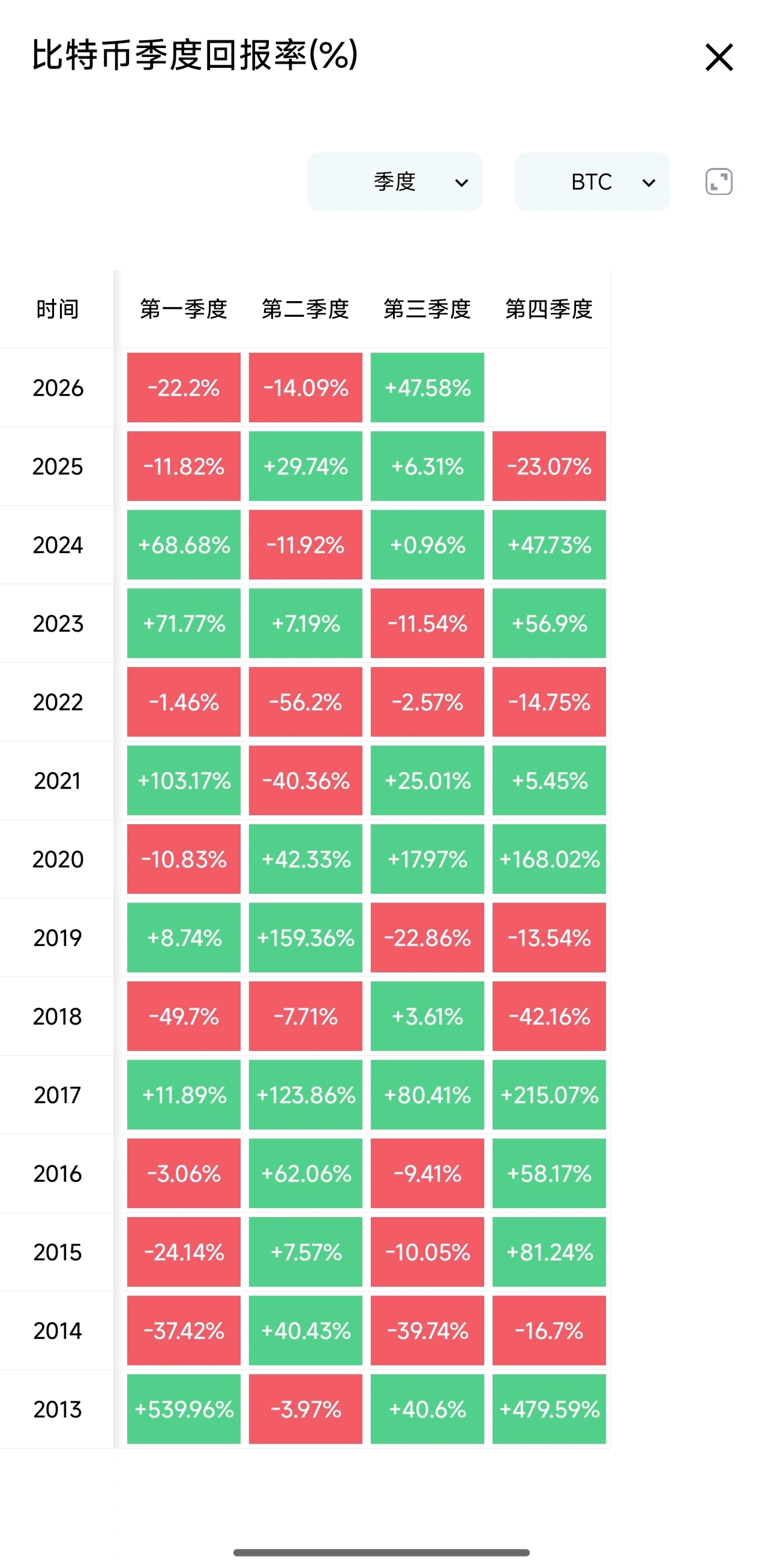
After going through the monthly returns from 2013 to 2026, I found a terrifying fact:
In 2017’s mania run, Q3 surged by 80%
But in the three months of July, August, and September, it was never a consecutive winning streak
In the big bull markets of 2020 and 2021,
September was also destined to pull back
Historically, three straight bullish months from July to September
Has never happened even once
But look at the chart for 2026:
July +7.36%
August +24.95%
September +9.96%
If the September close confirms it,
This will be the first time since BTC was born
Will this pattern fail— or is it the final madness right before the breakout?
Do you think 2026 will break this curse?
After going through the monthly returns from 2013 to 2026, I found a terrifying fact:
In 2017’s mania run, Q3 surged by 80%
But in the three months of July, August, and September, it was never a consecutive winning streak
In the big bull markets of 2020 and 2021,
September was also destined to pull back
Historically, three straight bullish months from July to September
Has never happened even once
But look at the chart for 2026:
July +7.36%
August +24.95%
September +9.96%
If the September close confirms it,
This will be the first time since BTC was born
Will this pattern fail— or is it the final madness right before the breakout?
Do you think 2026 will break this curse?
Shahzad mugheera
·
--
6+8=14

乐心 - Le Xin
·
--
🧧GIVEAWAYS FOR OUR SQUARE FAM!🧧
How to enter:
✅ Follow: @乐心 - Le Xin
✅ Like 👍
✅ Comment “yes”
✅ Repost 🔃
We appreciate all the love and support! Let’s do a quick celebration.
Random selection. May the odds be ever in your favor! 🚀
#MetaMeshGlobal #BinanceHerYerde #BinanceSquareTalks
$BTC
How to enter:
✅ Follow: @乐心 - Le Xin
✅ Like 👍
✅ Comment “yes”
✅ Repost 🔃
We appreciate all the love and support! Let’s do a quick celebration.
Random selection. May the odds be ever in your favor! 🚀
#MetaMeshGlobal #BinanceHerYerde #BinanceSquareTalks
$BTC

帮帮Bonnie
·
--
Go through daily life with kindness, tell right from wrong rationally. No blind kindness, no extremism.
#Circle在Solana增发5亿枚USDC
#Circle在Solana增发5亿枚USDC


BLOCK Rayne
·
--
A BIG gift 🎁 from me to our amazing community. ❤️
Claim your $DOGE reward and enjoy!
Hurry up, everyone! 🔥
Claim your $DOGE reward and enjoy!
Hurry up, everyone! 🔥


Tahir_泰希尔
·
--
🐕 DOGE is more than just a meme.
Dogecoin has built one of the strongest communities in crypto, survived multiple market cycles, and remains one of the most recognized crypto brands worldwide.
The real question isn’t whether DOGE started as a joke…
It’s whether its community, liquidity, adoption, and brand can keep DOGE relevant for the next cycle. 🚀
Meme origins. Real market impact. 🐕💎
#DOGE #Dogecoin #Crypto #Bitcoin #Altcoins
Dogecoin has built one of the strongest communities in crypto, survived multiple market cycles, and remains one of the most recognized crypto brands worldwide.
The real question isn’t whether DOGE started as a joke…
It’s whether its community, liquidity, adoption, and brand can keep DOGE relevant for the next cycle. 🚀
Meme origins. Real market impact. 🐕💎
#DOGE #Dogecoin #Crypto #Bitcoin #Altcoins


分析师尤斯1688
·
--
comment to get your bonus.


圣克斯Lucky1688
·
--
🧧🎁🌹🧧🎁🌹
Sep 26 Market Update:
1. Market Performance: After the settlement of large-sized options, BTC trades in a high-range consolidation, with $84,000 support coming under a test
Bitcoin tight-range consolidation: After experiencing the largest quarterly options expiry of the year on Sep 25 (over $16 billion), Bitcoin (BTC) entered a digestion phase following the release of volatility on Sep 26. Price moved within the $83,800 to $84,500 range. In the short term, the key focus is whether the breakout through the $84,000 level can complete an effective “top-to-bottom transition” and confirm support.
Long/short sentiment and options positioning: As market makers release Gamma, short-term implied volatility (IV) has dipped slightly. However, in the derivatives market, the open interest (OI) for forward-looking call options (Calls) with strike prices in the $95,000 to $100,000 range expiring at the end of October remains high, indicating that institutional medium/long-term bullish consensus has not been damaged by the short-term pullback.
2. Regulatory Trends and Global Compliance Developments
Brazil countdown to new rules on custodial wallets: Regulators continue to tighten compliance requirements for self-custody wallets. The Central Bank of Brazil has now confirmed that starting next month, transfers of crypto assets from self-custody wallets for any single transaction exceeding $10,000 will require mandatory compliance reporting.
Polymarket regulatory lawsuit gains momentum: Ongoing industry attention has been drawn to the compliance allegations regarding decentralized prediction market Polymarket, as brought by New York State’s judicial authorities. How decentralized prediction protocols conduct business within North America’s compliance framework has become a focal point of market discussion.
Follow me and reply with answer 1 to take the $SOL 红包!
🧧🎁🌹🧧🎁🌹
Sep 26 Market Update:
1. Market Performance: After the settlement of large-sized options, BTC trades in a high-range consolidation, with $84,000 support coming under a test
Bitcoin tight-range consolidation: After experiencing the largest quarterly options expiry of the year on Sep 25 (over $16 billion), Bitcoin (BTC) entered a digestion phase following the release of volatility on Sep 26. Price moved within the $83,800 to $84,500 range. In the short term, the key focus is whether the breakout through the $84,000 level can complete an effective “top-to-bottom transition” and confirm support.
Long/short sentiment and options positioning: As market makers release Gamma, short-term implied volatility (IV) has dipped slightly. However, in the derivatives market, the open interest (OI) for forward-looking call options (Calls) with strike prices in the $95,000 to $100,000 range expiring at the end of October remains high, indicating that institutional medium/long-term bullish consensus has not been damaged by the short-term pullback.
2. Regulatory Trends and Global Compliance Developments
Brazil countdown to new rules on custodial wallets: Regulators continue to tighten compliance requirements for self-custody wallets. The Central Bank of Brazil has now confirmed that starting next month, transfers of crypto assets from self-custody wallets for any single transaction exceeding $10,000 will require mandatory compliance reporting.
Polymarket regulatory lawsuit gains momentum: Ongoing industry attention has been drawn to the compliance allegations regarding decentralized prediction market Polymarket, as brought by New York State’s judicial authorities. How decentralized prediction protocols conduct business within North America’s compliance framework has become a focal point of market discussion.
Follow me and reply with answer 1 to take the $SOL 红包!
🧧🎁🌹🧧🎁🌹



长得帅不如跑的快1688
·
--
🚨 BTC IS QUIET THIS WEEKEND.
But U.S. crypto regulation isn’t.
The SEC just released new Crypto FAQs.
And one detail deserves attention:
STAKING RECEIPT TOKENS.
Under the specific circumstances described by SEC staff:
🔹 They can simply evidence ownership of the underlying asset
🔹 The token itself does not create staking rewards
🔹 It does not guarantee rewards
🔹 It does not determine the reward rate
Important:
This is NOT a new law.
And it is NOT a new SEC rule.
But it sends an interesting signal.
The U.S. crypto debate may be slowly shifting from:
“SHOULD CRYPTO BE REGULATED?”
to:
“HOW SHOULD DIFFERENT CRYPTO PRODUCTS BE REGULATED?”
That distinction matters.
Meanwhile, BTC is still consolidating around $84K.
So the bigger question may not be:
“Does BTC move tonight?”
It’s:
IS REGULATORY CLARITY BECOMING THE NEXT CATALYST?
If the rules keep getting clearer,
one thing institutions have always wanted —
CERTAINTY —
could be improving.
Now I’m watching:
🏛️ More SEC crypto guidance
Ξ Staking and the ETH ecosystem
🏦 Institutional product expansion
₿ BTC’s $84K consolidation
👇 Your take?
MORE CLARITY 🟢
or
LIMITED MARKET IMPACT 🔴?
#BTC #ETH #BNB
But U.S. crypto regulation isn’t.
The SEC just released new Crypto FAQs.
And one detail deserves attention:
STAKING RECEIPT TOKENS.
Under the specific circumstances described by SEC staff:
🔹 They can simply evidence ownership of the underlying asset
🔹 The token itself does not create staking rewards
🔹 It does not guarantee rewards
🔹 It does not determine the reward rate
Important:
This is NOT a new law.
And it is NOT a new SEC rule.
But it sends an interesting signal.
The U.S. crypto debate may be slowly shifting from:
“SHOULD CRYPTO BE REGULATED?”
to:
“HOW SHOULD DIFFERENT CRYPTO PRODUCTS BE REGULATED?”
That distinction matters.
Meanwhile, BTC is still consolidating around $84K.
So the bigger question may not be:
“Does BTC move tonight?”
It’s:
IS REGULATORY CLARITY BECOMING THE NEXT CATALYST?
If the rules keep getting clearer,
one thing institutions have always wanted —
CERTAINTY —
could be improving.
Now I’m watching:
🏛️ More SEC crypto guidance
Ξ Staking and the ETH ecosystem
🏦 Institutional product expansion
₿ BTC’s $84K consolidation
👇 Your take?
MORE CLARITY 🟢
or
LIMITED MARKET IMPACT 🔴?
#BTC #ETH #BNB


阿婧1688
·
--
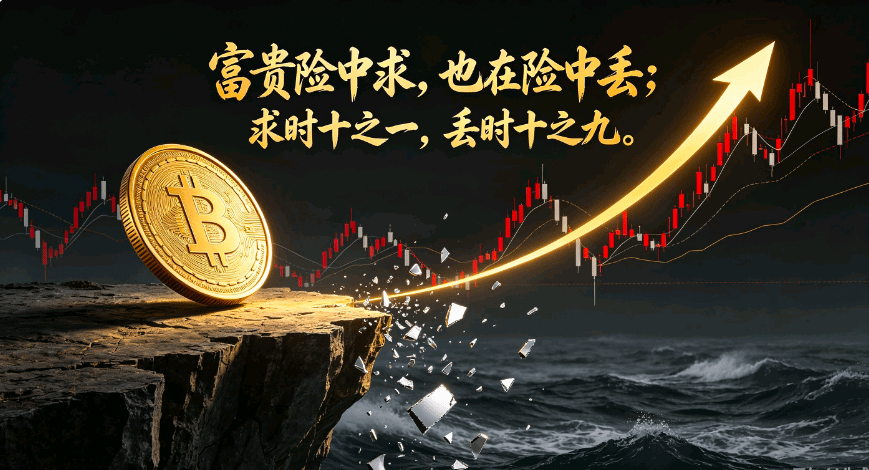
Fortune is sought in danger—and it’s also lost in danger. When you chase it, you find one in ten; when you lose it, you lose nine in ten. Make money within what’s recognized as reasonable.

艾琳irene
·
--
Today’s golf🏌️♀️#高尔夫 #Circle在Solana增发5亿枚USDC $BNB



易琳Ten
·
--
Once a centralized exchange suffers a massive crypto theft, it is not only the hackers who are truly being put on trial, but also the platform’s security systems and information transparency. Academic research indicates that CEXs naturally carry custody risks, information asymmetry, and principal–agent problems, and that relying on “proof of reserves” alone cannot cover internal governance and key security.
Of course, we should not conclude “self-sabotage” based solely on the fact that funds were stolen. In reality, the FBI and blockchain security organizations have indeed, on multiple occasions, attributed major crypto theft incidents to hackers linked to North Korea.
So what users should really ask is not “who’s to blame,” but: where is the evidence? Where are the security mechanisms? Where did the money go?
Of course, we should not conclude “self-sabotage” based solely on the fact that funds were stolen. In reality, the FBI and blockchain security organizations have indeed, on multiple occasions, attributed major crypto theft incidents to hackers linked to North Korea.
So what users should really ask is not “who’s to blame,” but: where is the evidence? Where are the security mechanisms? Where did the money go?

易琳Ten
·
--
When you have something, you should cherish it well.
Research by psychologists like Robert Emmons and others has found that actively focusing on things in life that you have to be grateful for helps boost positive emotions and well-being.
The biggest mistake people make in life is taking what they have for granted.
If your parents are still here, spend more time with them; if your loved one is still there, cherish them well; if your body is healthy, don’t recklessly overdraw it.
Because nothing you have is permanent, and every reunion has its time limit.
True appreciation isn’t something you regret only after losing it—it’s knowing, while you still have it, that it’s worth cherishing.
Cherish the person in front of you, cherish what’s happening right now, and cherish everything you have at this moment.
Research by psychologists like Robert Emmons and others has found that actively focusing on things in life that you have to be grateful for helps boost positive emotions and well-being.
The biggest mistake people make in life is taking what they have for granted.
If your parents are still here, spend more time with them; if your loved one is still there, cherish them well; if your body is healthy, don’t recklessly overdraw it.
Because nothing you have is permanent, and every reunion has its time limit.
True appreciation isn’t something you regret only after losing it—it’s knowing, while you still have it, that it’s worth cherishing.
Cherish the person in front of you, cherish what’s happening right now, and cherish everything you have at this moment.


晚风Vesper_1688
·
--
[Replay] 🎙️ Butterfly🦋C, the mechanism deflation, community co-building—this future is a target worth 80M🚀🚀🚀
03 h 09 m 30 s · 2.3k listens

只会呐喊的尖刀手
·
--
The wind blew the clouds apart.
The sky has a patch of blue—
just enough for me
to put on
an unbothered, carefree smile.
The sky has a patch of blue—
just enough for me
to put on
an unbothered, carefree smile.

Log in to explore more content