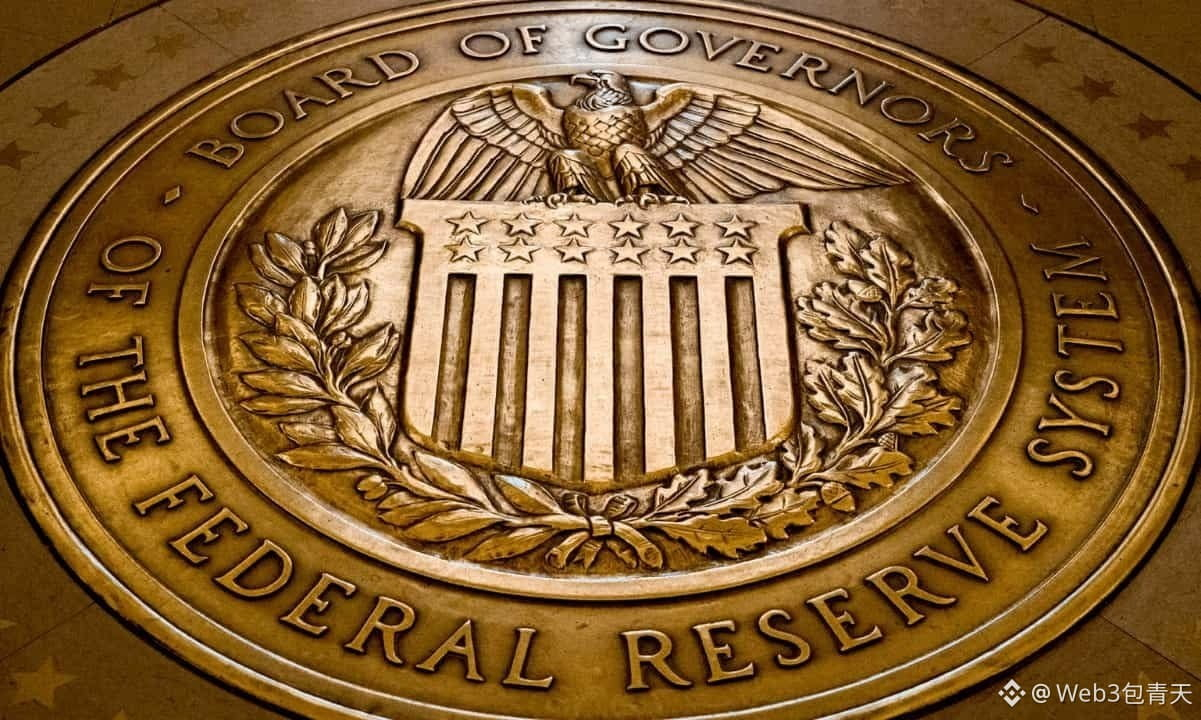
#美联储拟定银行发行支付稳定币规则
👉 稳定币的门槛被抬高
The U.S. Federal Reserve has put draft stablecoin rules on the table.
Two proposals—both follow the same GENIUS Act.
The first one covers reserves, requiring a 1:1 backing.
If you issue a certain amount, you must have the same amount of highly liquid assets on your balance sheet.
The second proposal covers capital, with requirements tiered by risk.
Banks that want to issue tokens also have to go through an additional approval process.
The public comment window will be open for 60 days.
The direction of this framework is to tighten, not loosen.
If money wants to come in, you have to get the books and records in order first.
For banks to enter this line of business, they must first clear the capital hurdle.
Capital is tiered by risk, limiting the room for leverage.
The issuing party’s interest-rate spread will also be recalculated.
For crypto, the cost structure of stablecoins needs to be re-evaluated.
Raise the threshold, and the weight of the license increases.
Smaller issuers have their space squeezed.
That squeezed-out space is a short-term negative, but a long-term clearing-out.
Until the rules are implemented, the market can only price things based on the strictest version.
Do you think it’s the small issuers who get squeezed out first in this tightening cycle? Let’s discuss in the comments.
👉 稳定币的门槛被抬高
The U.S. Federal Reserve has put draft stablecoin rules on the table.
Two proposals—both follow the same GENIUS Act.
The first one covers reserves, requiring a 1:1 backing.
If you issue a certain amount, you must have the same amount of highly liquid assets on your balance sheet.
The second proposal covers capital, with requirements tiered by risk.
Banks that want to issue tokens also have to go through an additional approval process.
The public comment window will be open for 60 days.
The direction of this framework is to tighten, not loosen.
If money wants to come in, you have to get the books and records in order first.
For banks to enter this line of business, they must first clear the capital hurdle.
Capital is tiered by risk, limiting the room for leverage.
The issuing party’s interest-rate spread will also be recalculated.
For crypto, the cost structure of stablecoins needs to be re-evaluated.
Raise the threshold, and the weight of the license increases.
Smaller issuers have their space squeezed.
That squeezed-out space is a short-term negative, but a long-term clearing-out.
Until the rules are implemented, the market can only price things based on the strictest version.
Do you think it’s the small issuers who get squeezed out first in this tightening cycle? Let’s discuss in the comments.