
⏳ There’s a “Signal” Almost Everyone Ignores When Hunting for a Strong Upswing: TIME.
I don’t just look at how much a coin has risen in %, but also how long it took to move through the resistance zone.
A setup I quite like:
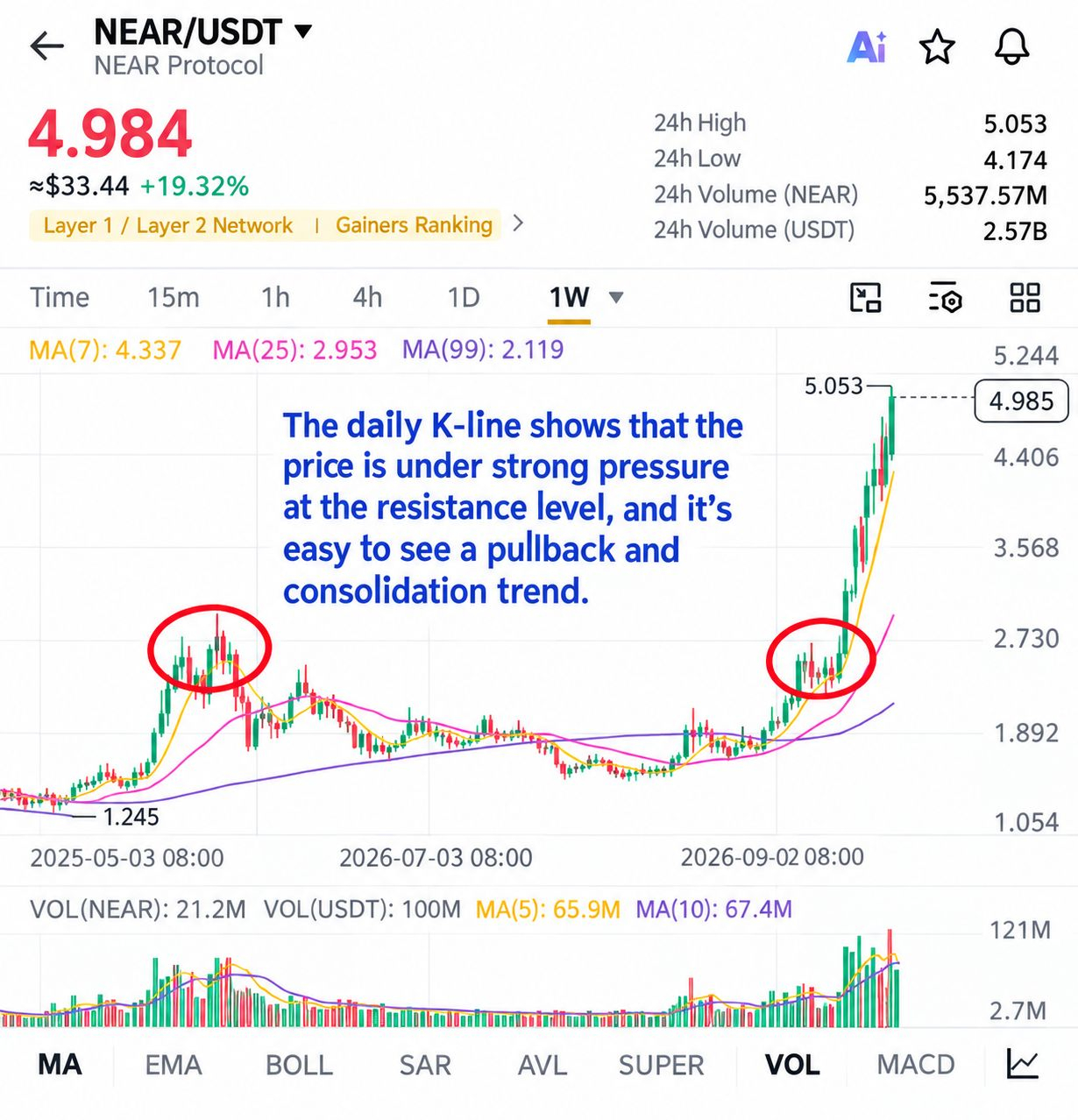
If the price retraces to test the old high and it only takes 3–5 daily candles to consolidate right below the resistance → the selling pressure usually isn’t too strong. When the breakout happens successfully, the price is very likely to enter an acceleration phase.
On the other hand, if the price gets stuck for dozens of candles around the old high zone → the market has had too much time to build supply, investors are trapped, and profit-taking pressure builds.
👉 The shorter the time → the lighter the resistance → the easier it is for the breakout to gain momentum.
I’ve seen this pattern quite clearly with UNI, NEAR, and SEI: the accumulation zone before the breakout doesn’t last long, and after breaking through resistance, the price quickly accelerates.
But in cases like DOGE, the accumulation time under the old high lasts much longer, so the breakout needs much more force.
Of course, this isn’t an absolute rule. LTC is an example showing that a prolonged accumulation zone can still lead to a strong rally.
But from now on, when choosing a coin, I’ll add one more question:
“How long did it take to reach this resistance zone?”
Sometimes, the answer about time matters more than the % gain itself. 👀
I don’t just look at how much a coin has risen in %, but also how long it took to move through the resistance zone.
A setup I quite like:
If the price retraces to test the old high and it only takes 3–5 daily candles to consolidate right below the resistance → the selling pressure usually isn’t too strong. When the breakout happens successfully, the price is very likely to enter an acceleration phase.
On the other hand, if the price gets stuck for dozens of candles around the old high zone → the market has had too much time to build supply, investors are trapped, and profit-taking pressure builds.
👉 The shorter the time → the lighter the resistance → the easier it is for the breakout to gain momentum.
I’ve seen this pattern quite clearly with UNI, NEAR, and SEI: the accumulation zone before the breakout doesn’t last long, and after breaking through resistance, the price quickly accelerates.
But in cases like DOGE, the accumulation time under the old high lasts much longer, so the breakout needs much more force.
Of course, this isn’t an absolute rule. LTC is an example showing that a prolonged accumulation zone can still lead to a strong rally.
But from now on, when choosing a coin, I’ll add one more question:
“How long did it take to reach this resistance zone?”
Sometimes, the answer about time matters more than the % gain itself. 👀