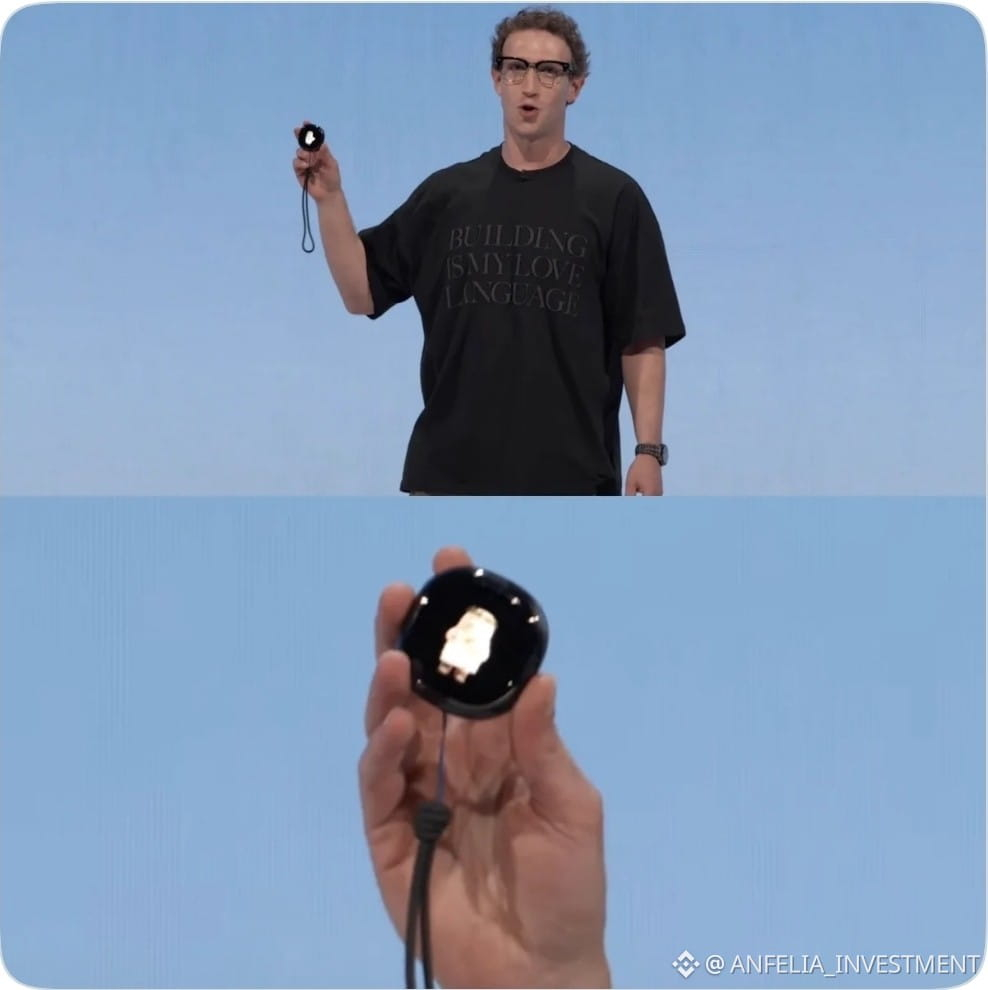

People still haven’t grasped what Muse Charm—the new invention from the creator of Facebook—could mean.
When Steve Jobs unveiled the iPhone in 2007, he wasn’t simply showing a phone with a touchscreen. He was presenting a new way to interact with technology.
The phone stopped being merely a device for calls and became the center of our digital lives. Almost 20 years later, Meta has just introduced something that could represent another paradigm shift: Muse Charm.
Today it seems like a small companion device. Tomorrow it could evolve into something capable of managing practically all of our digital life: communications, shopping, travel, information, entertainment, photos, reminders, work, and services.
And if one day artificial intelligence can carry out those tasks in a sufficiently reliable, fast, and autonomous way, then the question might become:
“Why do I need a phone if I have a device that can do practically everything for me?”
When Steve Jobs unveiled the iPhone in 2007, he wasn’t simply showing a phone with a touchscreen. He was presenting a new way to interact with technology.
The phone stopped being merely a device for calls and became the center of our digital lives. Almost 20 years later, Meta has just introduced something that could represent another paradigm shift: Muse Charm.
Today it seems like a small companion device. Tomorrow it could evolve into something capable of managing practically all of our digital life: communications, shopping, travel, information, entertainment, photos, reminders, work, and services.
And if one day artificial intelligence can carry out those tasks in a sufficiently reliable, fast, and autonomous way, then the question might become:
“Why do I need a phone if I have a device that can do practically everything for me?”