

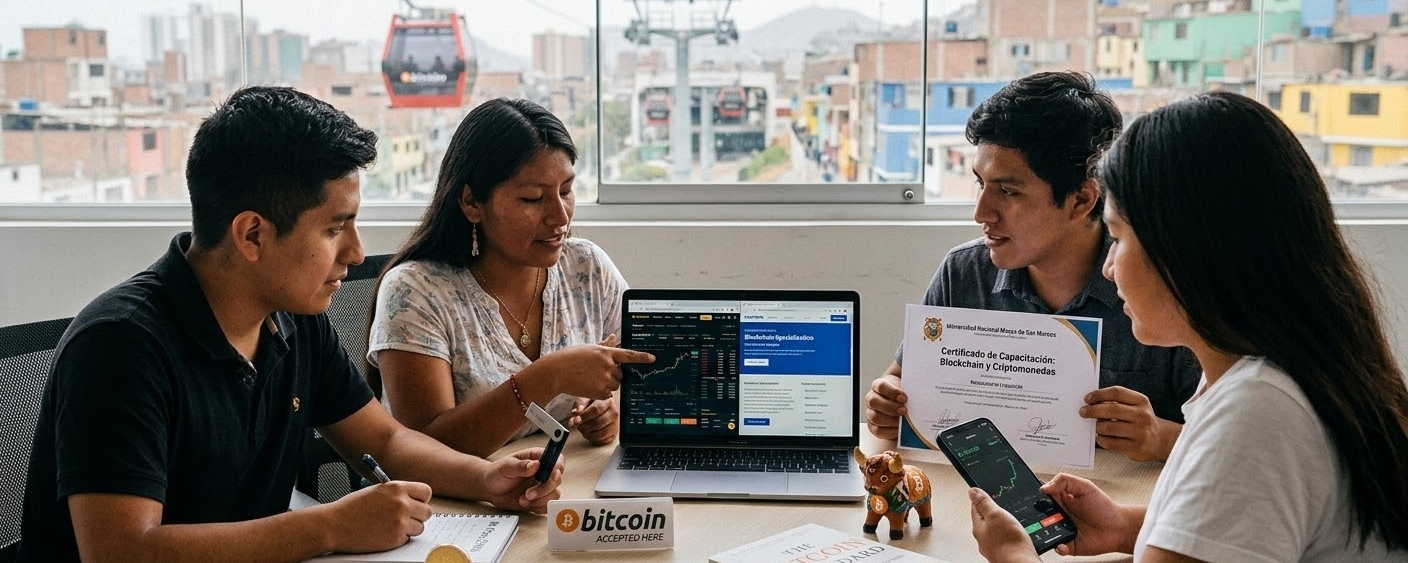

Stepping into the world of cryptocurrencies requires taking it slowly, always prioritizing education and security before risking real money.
1. 1. Understand the basic concepts
Education prevents costly mistakes
Before buying any asset, understand what you are acquiring:
* Blockchain: The decentralized technology that securely and transparently records all transactions.
* Bitcoin (BTC): The first cryptocurrency, considered the "digital gold" and the one with the highest market capitalization.
* Altcoins and stablecoins: Altcoins are alternatives to Bitcoin (such as Ethereum), while stablecoins (like USDT or USDC) are pegged 1:1 to the dollar to protect you from volatility.
2. 2. Choose a secure exchange
Centralized vs. decentralized
An exchange is the platform where you trade traditional money for cryptocurrencies. For beginners, centralized platforms (CEX) are the easiest option:
* Popular options: Binance, Coinbase, Kraken, Bitso, or Bit2Me.
* Verification (KYC): You must complete an identity document verification process to operate legally and securely.
3. 3. Secure your account
Mandatory step before depositing
Security in the crypto environment depends largely on you:
* Enable two-factor authentication (2FA) using apps like Google Authenticator or Authy (avoid SMS due to SIM swapping attacks).
* Use a unique, complex password.
* Never share your private keys or recovery phrases.
4. 4. Make your first purchase with trial capital
Golden rule: invest only what you can afford to lose
Start with a minimum amount to get familiar with the process:
* Deposit funds via bank transfer or card.
* Buy a fraction of Bitcoin or Ethereum to understand how the market moves without risking your assets.
5. 5. Understand where to store your assets
Custody on an exchange vs. personal wallet
* Hot Wallets (Online): Apps on your phone or browser (like MetaMask or Trust Wallet), ideal for day-to-day trading.
* Cold Wallets (Physical): High-security USB devices disconnected from the internet (like Ledger or Trezor). Recommended for storing large amounts long term.
Key rules to not lose money at the beginning
* Avoid speculation with leverage and futures contracts: As a beginner, stay in the Spot market (direct purchase of the asset).
* Be wary of promises of guaranteed earnings: If someone promises you fixed weekly or daily returns, it’s a scam. In crypto, there are no guaranteed returns.
* Watch out for "Memecoins" and miracle projects: Choose established projects before looking for "the next coin that will multiply by 100".