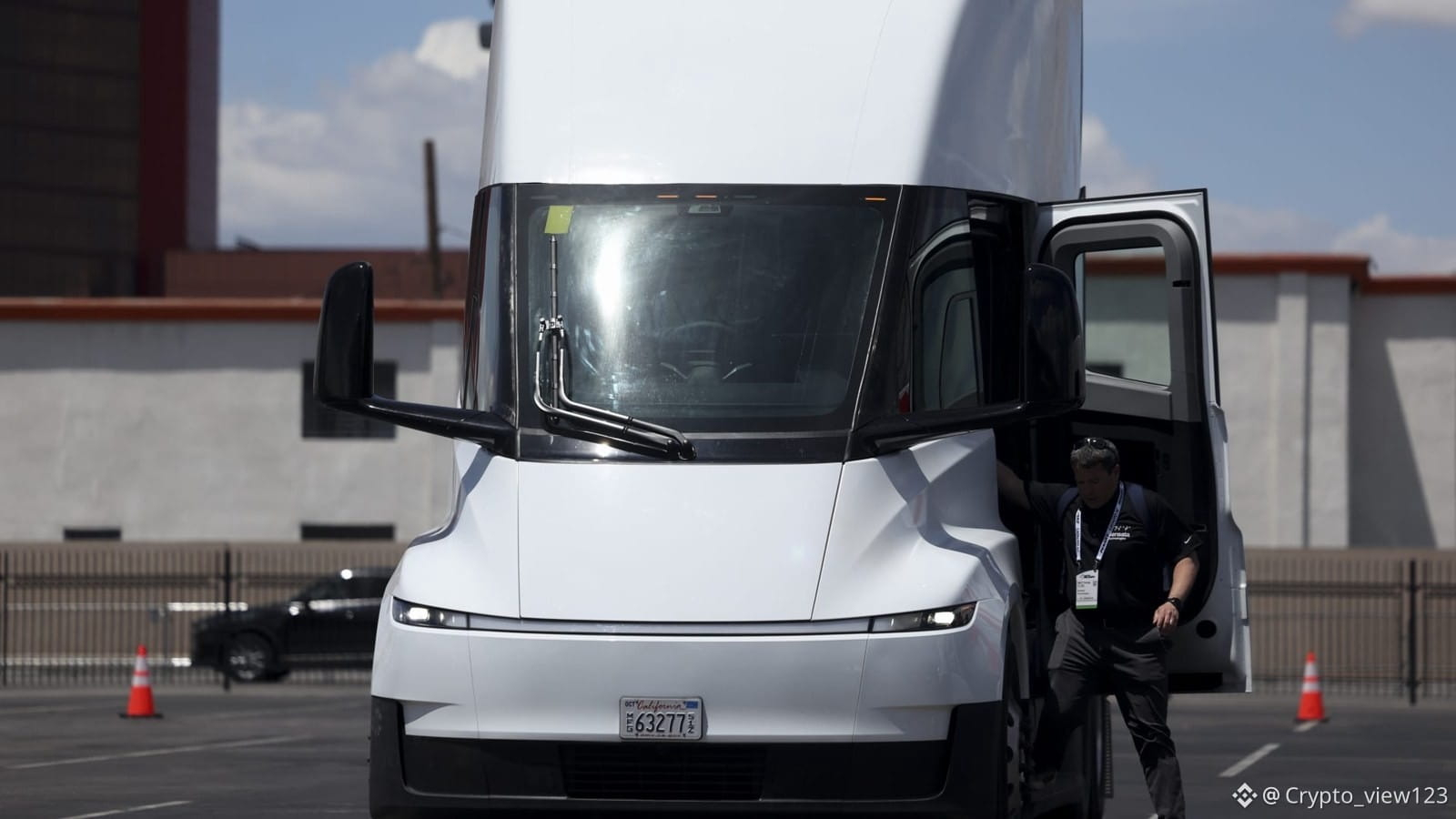
A heavy-duty electric truck that has been talked about for nearly ten years finally has a mass-production plant.
The company held an inauguration ceremony in Nevada, USA, on Thursday for its first high-volume production facility for the truck. The product was first unveiled in concept form as early as 2017, but only started being delivered in very small quantities to early customers from 2022. In a video address, the company’s executive called it a breakthrough product for heavy-haul transportation. The executive did not attend the event in person.
It took nine years to go from concept to mass production—and that time span itself is information. For heavy vehicles, battery weight, range, and charging infrastructure are far more challenging than for passenger cars, and customers also have higher requirements for uptime. Any weakness in any one area will directly affect customers’ procurement decisions. Customer demands for uptime are far higher than those for passenger cars.
The significance of the plant coming online lies in the cost curve. After mass production begins, there is room for the unit manufacturing cost to decline, and the charging network—also—can only be scaled up once there is a real foundation for infrastructure rollout. Together, these two factors determine whether it can move from a showcase project to a truly usable transportation tool.
The observation should focus on delivery data. Announcements about production capacity can be made early, but customers’ actual miles on the road and their intent to repurchase won’t lie—these two metrics explain the truck’s real position better than a launch event ever could. Road mileage won’t lie, and that is also why it waited nine years.
After nine years, the numbers can finally be算清.
#电动重卡 #制造业
The company held an inauguration ceremony in Nevada, USA, on Thursday for its first high-volume production facility for the truck. The product was first unveiled in concept form as early as 2017, but only started being delivered in very small quantities to early customers from 2022. In a video address, the company’s executive called it a breakthrough product for heavy-haul transportation. The executive did not attend the event in person.
It took nine years to go from concept to mass production—and that time span itself is information. For heavy vehicles, battery weight, range, and charging infrastructure are far more challenging than for passenger cars, and customers also have higher requirements for uptime. Any weakness in any one area will directly affect customers’ procurement decisions. Customer demands for uptime are far higher than those for passenger cars.
The significance of the plant coming online lies in the cost curve. After mass production begins, there is room for the unit manufacturing cost to decline, and the charging network—also—can only be scaled up once there is a real foundation for infrastructure rollout. Together, these two factors determine whether it can move from a showcase project to a truly usable transportation tool.
The observation should focus on delivery data. Announcements about production capacity can be made early, but customers’ actual miles on the road and their intent to repurchase won’t lie—these two metrics explain the truck’s real position better than a launch event ever could. Road mileage won’t lie, and that is also why it waited nine years.
After nine years, the numbers can finally be算清.
#电动重卡 #制造业