An old version of a payment app might mark canceled invoices as paid.
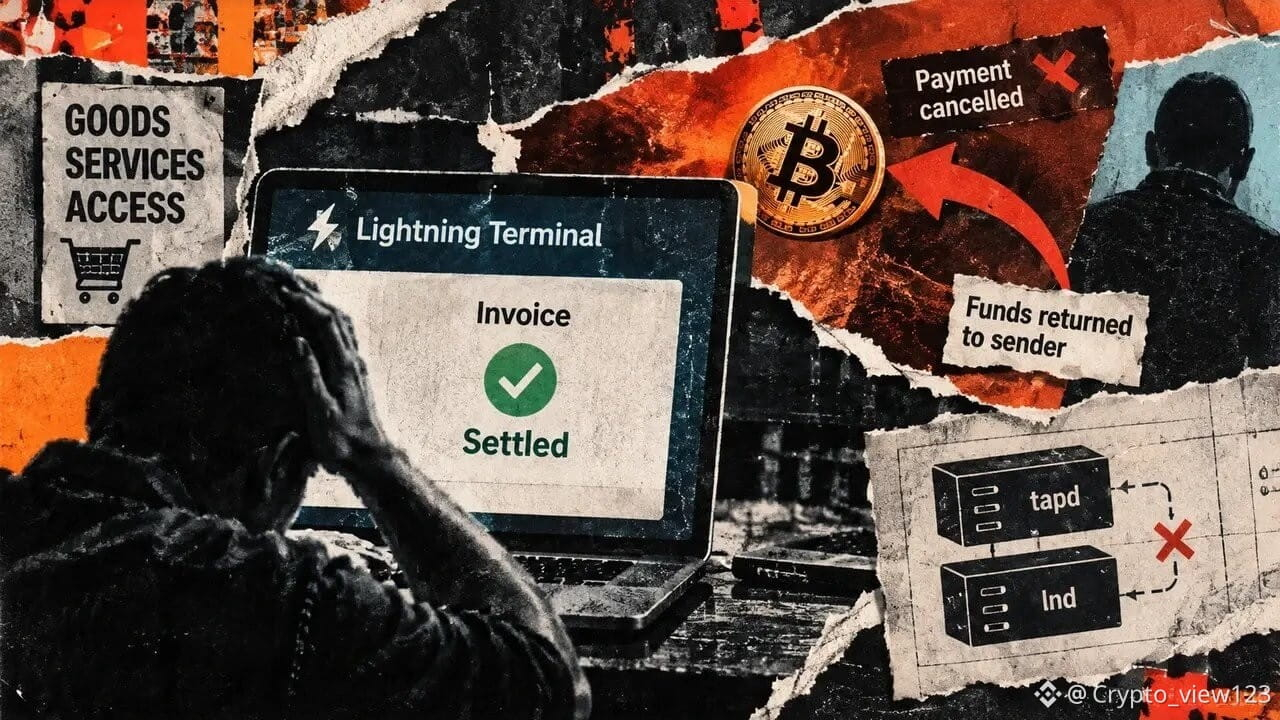
The developer disclosed that certain older terminal software versions have a flaw that displays canceled invoices returned to the payer as paid. Merchants relying on this status may deliver goods or credits without receiving the funds. The developer described this risk, but did not publish statistics on actual losses.
The issue comes from a mismatch between the records and the outcome. These payments rely on hash time-locked contracts to hold the funds. Once the invoice status recorded by the software gets out of sync with the on-chain result, the interface will reach an incorrect conclusion. Merchants typically only look at the interface—any discrepancy between the interface and the ledger is where the risk lies.
The fix is straightforward: upgrade to the new version. However, the risk exposure does not disappear. Many merchants run nodes that haven’t been updated for a long time. Upgrading requires a downtime window and operational capability. The smaller the merchant is, the more likely they are to fall behind, making operational capability the real bottleneck.
For the industry, the implication is that maintenance and operations have been underestimated. The finality of on-chain settlement depends on consistency between both ends of the software. Even a robust protocol cannot cover implementation-level oversights. Such disclosures should push merchants to incorporate version management into their routine processes. The cost of incidents like this is often underestimated.
The chain is fine; the interface might be the problem.
#比特币 #Software defect
The developer disclosed that certain older terminal software versions have a flaw that displays canceled invoices returned to the payer as paid. Merchants relying on this status may deliver goods or credits without receiving the funds. The developer described this risk, but did not publish statistics on actual losses.
The issue comes from a mismatch between the records and the outcome. These payments rely on hash time-locked contracts to hold the funds. Once the invoice status recorded by the software gets out of sync with the on-chain result, the interface will reach an incorrect conclusion. Merchants typically only look at the interface—any discrepancy between the interface and the ledger is where the risk lies.
The fix is straightforward: upgrade to the new version. However, the risk exposure does not disappear. Many merchants run nodes that haven’t been updated for a long time. Upgrading requires a downtime window and operational capability. The smaller the merchant is, the more likely they are to fall behind, making operational capability the real bottleneck.
For the industry, the implication is that maintenance and operations have been underestimated. The finality of on-chain settlement depends on consistency between both ends of the software. Even a robust protocol cannot cover implementation-level oversights. Such disclosures should push merchants to incorporate version management into their routine processes. The cost of incidents like this is often underestimated.
The chain is fine; the interface might be the problem.
#比特币 #Software defect