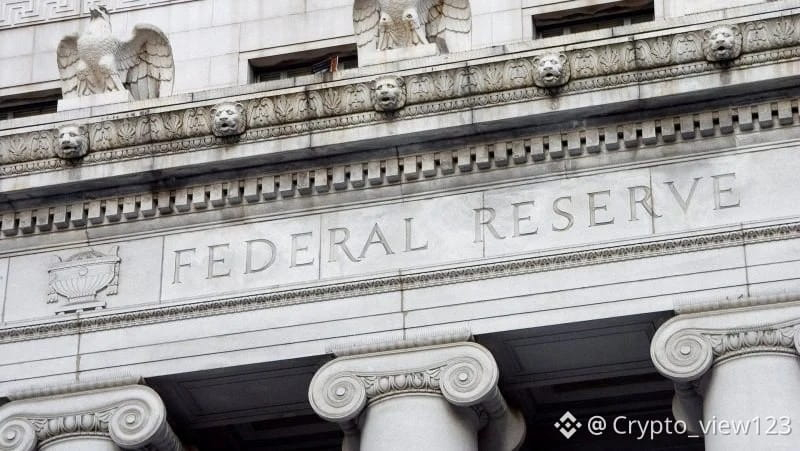
The stablecoin issuers have finally received specific requirements on reserves and capital. Until now, these rules existed only as a framework without details, and the document handles the three components—application, reserves, and capital—separately.
The U.S. Federal Reserve has proposed rules on reserves, capital, and applications for regulated stablecoin issuers to implement the stablecoin legislation that was passed earlier. The rules require issuers to hold high-quality liquid assets and set out arrangements for capital levels and the approval process. The regulator’s focus remains on the safety of the assets and redemption capacity. Disclosure frequency and custody requirements are also included in the proposal.
Details determine the business model. The scope of reserve assets and capital requirements directly determine the space for an issuer’s profits, while the application threshold determines who can enter this market. Issuers of different sizes face different constraints: the smaller the margin, the more important scale effects become. For small issuers, spreading compliance fixed costs is the hardest.
For the industry, implementation of the rules usually means trading predictability for cost. Compliance costs rise, but banks and payment institutions can use this to structure products—stable expectations themselves are a form of competitiveness. Next, it remains to be seen how many revisions come out of the consultation period, and the length of the transition period is also a variable affecting the pace.
With rules in place, the business can begin to scale.
#稳定币 #监管
The U.S. Federal Reserve has proposed rules on reserves, capital, and applications for regulated stablecoin issuers to implement the stablecoin legislation that was passed earlier. The rules require issuers to hold high-quality liquid assets and set out arrangements for capital levels and the approval process. The regulator’s focus remains on the safety of the assets and redemption capacity. Disclosure frequency and custody requirements are also included in the proposal.
Details determine the business model. The scope of reserve assets and capital requirements directly determine the space for an issuer’s profits, while the application threshold determines who can enter this market. Issuers of different sizes face different constraints: the smaller the margin, the more important scale effects become. For small issuers, spreading compliance fixed costs is the hardest.
For the industry, implementation of the rules usually means trading predictability for cost. Compliance costs rise, but banks and payment institutions can use this to structure products—stable expectations themselves are a form of competitiveness. Next, it remains to be seen how many revisions come out of the consultation period, and the length of the transition period is also a variable affecting the pace.
With rules in place, the business can begin to scale.
#稳定币 #监管