

灼见Cryptosighted
922 Posts
灼见Cryptosighted
灼见|K线只是表象,人心才是博弈的终点。
13年实战沉淀,拒绝废话,只做最硬核的技术拆解与宏观透视。帮你看清下一步。如果你厌倦了噪音,这里是你的最后一站。
Open Trade

BTC Holder
Occasional Trader
8.5 Years
576 Following
26.9K+ Followers
9.0K+ Liked
Posts
Portfolio
All
Quotes
Videos
PINNED


生蚝哥Oyster
·
--
May when you wake up, there is light in your heart,
with light steps and full smiles.
May all the beautiful things arrive as promised,
may worries be carried away by the wind,
and may today be a little warmer than yesterday.
with light steps and full smiles.
May all the beautiful things arrive as promised,
may worries be carried away by the wind,
and may today be a little warmer than yesterday.


乘风Sunshine
·
--
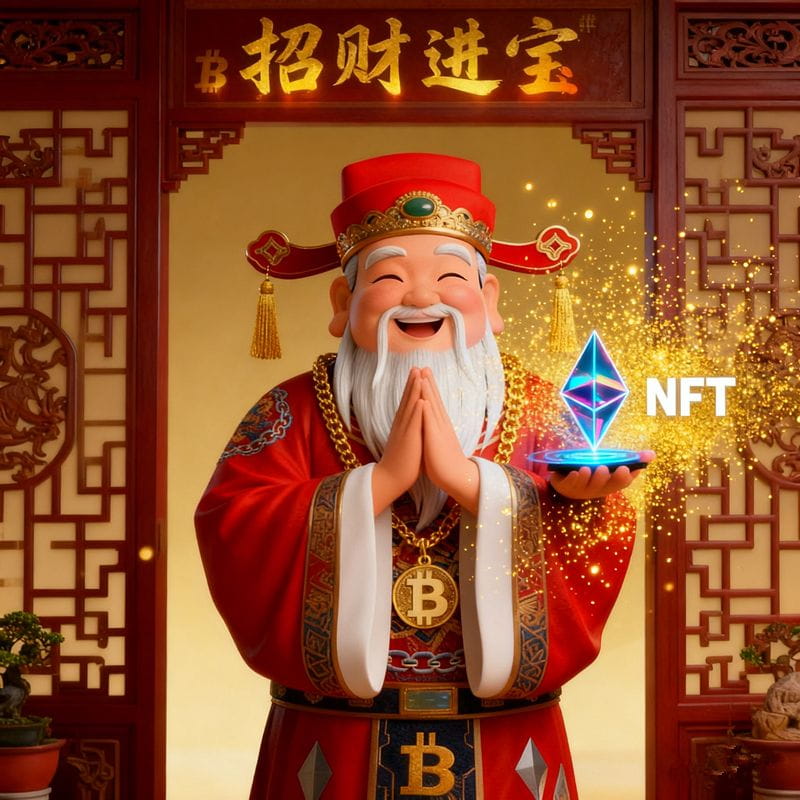
The crypto world never takes a day off—single-mindedly focused on making money (although most people are actually busy losing it). But today is the Mid-Autumn Festival, a day for family reunions. If you’re away from home and can’t really reunite with your family, then come to Binance. In every place, you’ll find a friend nearby; across the horizon, it feels just as close. #中秋节快乐 $BTC #BTC .




@钞机八蛋
is speaking[LIVE] 🎙️ I hope we’ll live long and share the same moonlight, even across miles and miles! Happy Mid-Autumn Festival!
1.8k listens


Sundeep804
·
--
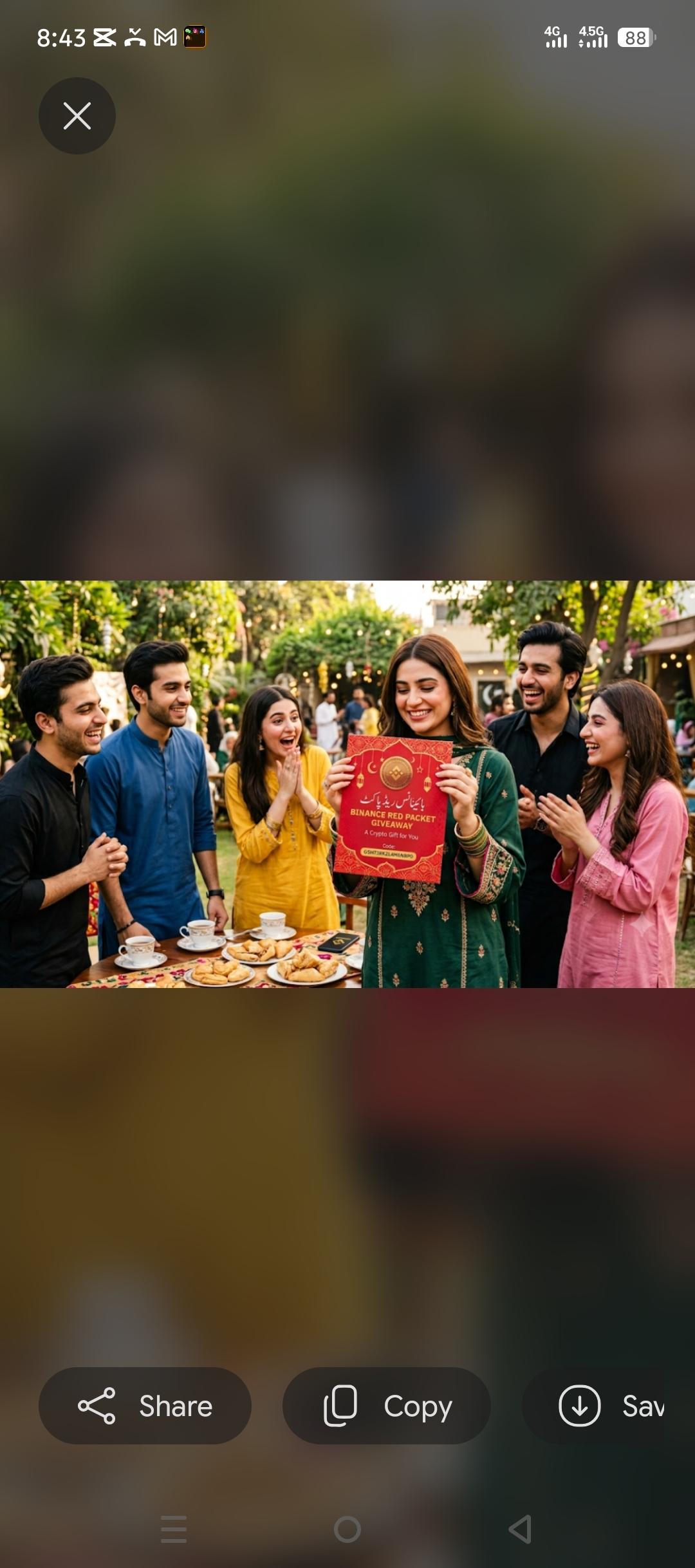
BullishFriends! I have prepared a special Binance Red Packet for all of you. Claim your absolutely free crypto quickly! 🚀

Mr Max
·
--
🎁 Claim your Gift 🎁
🧧🧧🧧🧧
🧧🧧🧧🧧
Join chat Group for daliy 🧧......
Hint { 786 }...............
$BTC $SNDKB $SOL
#BTC70K✈️ #SNDKUSDT #SolanaStrong #solonapumping #BTC🔥🔥🔥🔥🔥
🧧🧧🧧🧧
🧧🧧🧧🧧
Join chat Group for daliy 🧧......
Hint { 786 }...............
$BTC $SNDKB $SOL
#BTC70K✈️ #SNDKUSDT #SolanaStrong #solonapumping #BTC🔥🔥🔥🔥🔥



光明社区-阿波罗
·
--
Next, when you get a callback, buy decisively.
Fares keep getting higher.
Yesterday’s tickets can’t get on today’s passenger ferry.
The market won’t wait for anyone—opportunities are fleeting.
Your chance to turn things around should be placed in
a value-backed asset like LUCiC.
The moment you hold LUCiC,
the gears of your fate begin to turn.
Promise me—
before the gears start turning,
don’t let your chain snap—
Fares keep getting higher.
Yesterday’s tickets can’t get on today’s passenger ferry.
The market won’t wait for anyone—opportunities are fleeting.
Your chance to turn things around should be placed in
a value-backed asset like LUCiC.
The moment you hold LUCiC,
the gears of your fate begin to turn.
Promise me—
before the gears start turning,
don’t let your chain snap—


Mira小白桃
·
--
Big pancake (BTC), and second pancake (ETH) as well: the overall direction is still more bullish.
First, let’s talk about BTC.
Big pancake has now entered a very critical position.
After the breakout earlier, the price is currently consolidating around 86K. The main resistance zone to watch above is 87K—88K.
If it can continue to break out here with increased volume, the next step for the market will start looking at the 90K—92K area.
Right now, many analysts also view 90K as the next important test for this leg of the uptrend.
So I won’t start guessing the top just because BTC has already risen a lot.
What strong markets fear most is getting short halfway through.
On the downside, I mainly want to see whether 85K can hold.
As long as after a pullback it can still stand back above, then the current upward structure hasn’t been broken.
If there is a short-term shakeout, I would actually first observe the support rather than immediately assume the trend is over.
ETH is the same today.
Second pancake is currently trading above 2700, and the short term has already entered the pressure area we’ve been watching.
Right now the key is:
Can 2700 turn into support, and can 2800 be broken through?
If ETH can effectively break above 2800, and after breaking out it doesn’t immediately fall back, then the market will next continue to look toward around 3000.
However, at 2800 I will still anticipate a possible shakeout.
Because the closer the price gets to a major resistance level, profit-taking and shorts will both start increasing.
So my approach isn’t to chase the rally,
but rather:
Hold above 2700 → break above 2800 → then look at 3000.
If the push higher fails, wait for the pullback to confirm.
$BTC $ETH
First, let’s talk about BTC.
Big pancake has now entered a very critical position.
After the breakout earlier, the price is currently consolidating around 86K. The main resistance zone to watch above is 87K—88K.
If it can continue to break out here with increased volume, the next step for the market will start looking at the 90K—92K area.
Right now, many analysts also view 90K as the next important test for this leg of the uptrend.
So I won’t start guessing the top just because BTC has already risen a lot.
What strong markets fear most is getting short halfway through.
On the downside, I mainly want to see whether 85K can hold.
As long as after a pullback it can still stand back above, then the current upward structure hasn’t been broken.
If there is a short-term shakeout, I would actually first observe the support rather than immediately assume the trend is over.
ETH is the same today.
Second pancake is currently trading above 2700, and the short term has already entered the pressure area we’ve been watching.
Right now the key is:
Can 2700 turn into support, and can 2800 be broken through?
If ETH can effectively break above 2800, and after breaking out it doesn’t immediately fall back, then the market will next continue to look toward around 3000.
However, at 2800 I will still anticipate a possible shakeout.
Because the closer the price gets to a major resistance level, profit-taking and shorts will both start increasing.
So my approach isn’t to chase the rally,
but rather:
Hold above 2700 → break above 2800 → then look at 3000.
If the push higher fails, wait for the pullback to confirm.
$BTC $ETH


慢就是快Mike
·
--
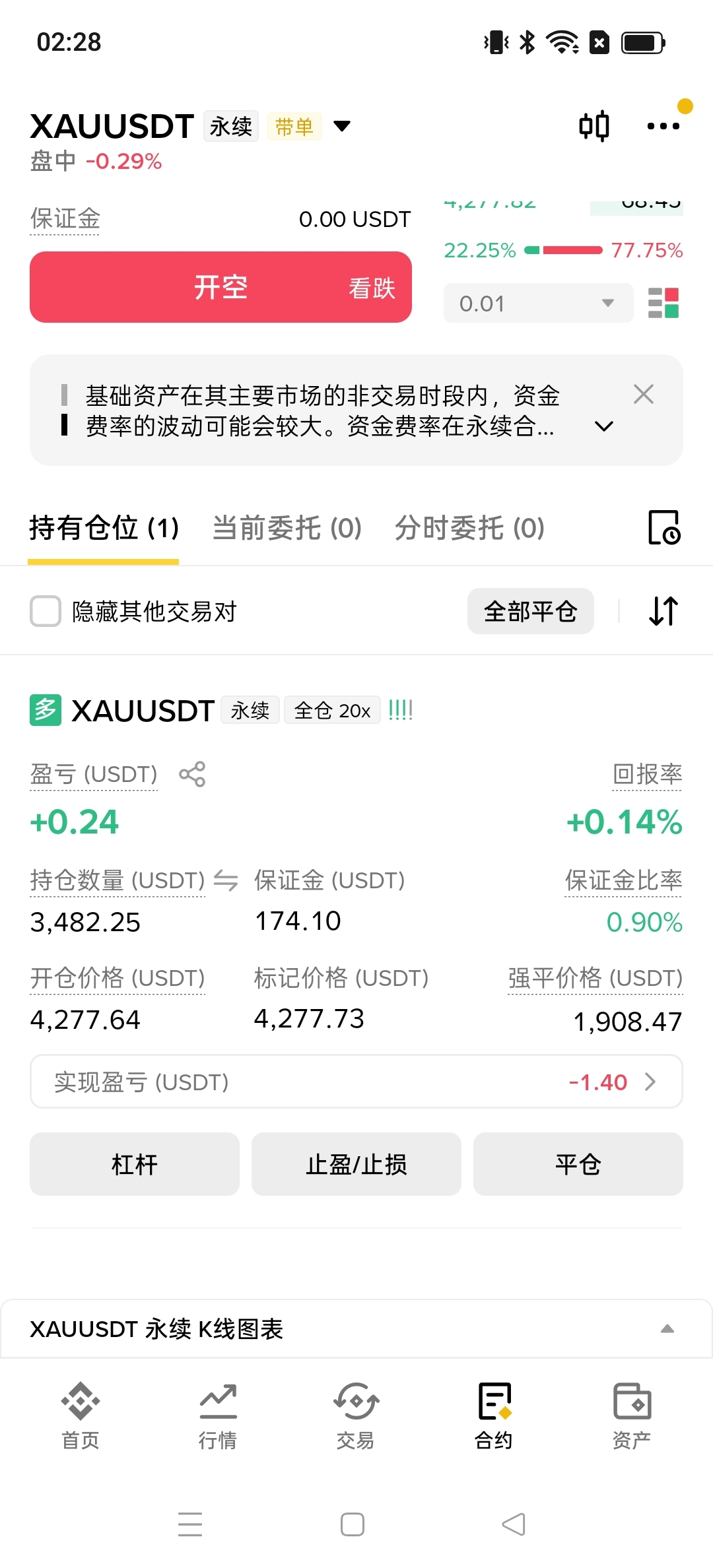
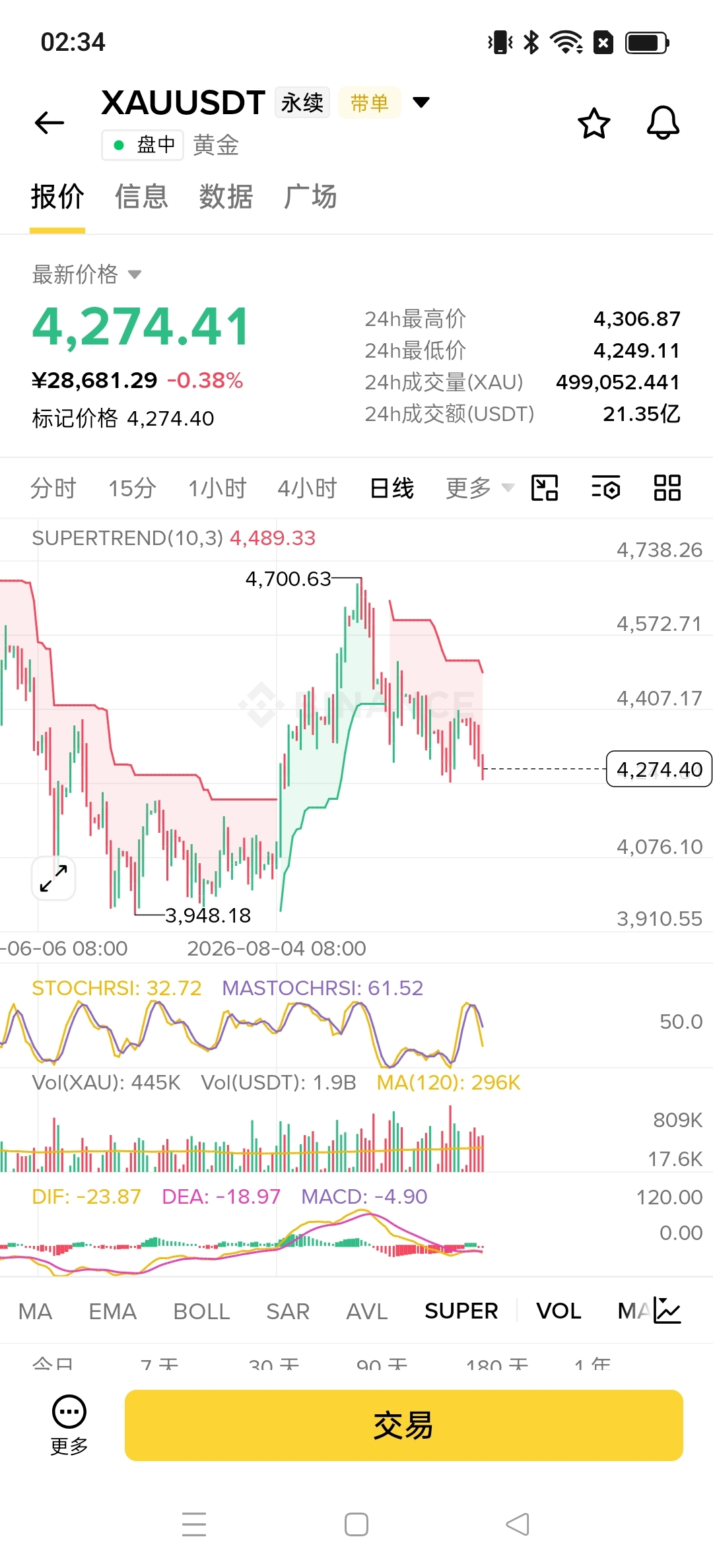
$XAU Gold has fallen; most people will come in to buy the dip. This level is bold as hell!!!


分析师尤斯1688
·
--
🧧🎁

Cryptology_7
·
--
𝑪 𝑹 𝒀 𝑷 𝑻 𝑶 𝑳 𝑶 𝑮 𝒀 💙
Every candle tells a story. Every failure teaches us a lesson. Every comeback strengthens our determination.💯📜
$ONE
#BinanceSquareFamily #Cryptology_7
Every candle tells a story. Every failure teaches us a lesson. Every comeback strengthens our determination.💯📜
$ONE
#BinanceSquareFamily #Cryptology_7

开心哥1314
·
--
#美联储加息是否已成定局




阿婧1688
·
--
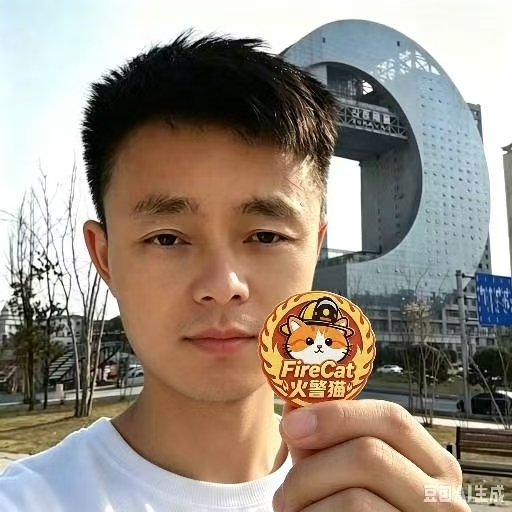
[Ended] 🎙️ Let’s Talk About Fire Alarm Cats’ Multiplication
1.3k listens
阿婧1688
·
--
Moonlight reflects on the lake, elegant and poetic.
Under the ancient bridge, lanterns glow—warm and cozy reunions.
At the full-moon banquet table, the festive atmosphere is even richer.
With blossoms and the full moon welcoming Mid-Autumn Festival, may peace and good health last year after year, and may every home reunite.
Under the ancient bridge, lanterns glow—warm and cozy reunions.
At the full-moon banquet table, the festive atmosphere is even richer.
With blossoms and the full moon welcoming Mid-Autumn Festival, may peace and good health last year after year, and may every home reunite.


@辛迪cindy
is speaking[LIVE] 🎙️ Happy Mid-Autumn Festival. Even across the horizon, we share this moment—has the bull market arrived? Come and chat with me!
2.3k listens

圣克斯Lucky1688
·
--
🧧🎁🌹🧧🎁🌹
9/24 Important News:
1. Regulatory and banking industry integration: The U.S. OCC conditionally approves licenses for three digital-asset banks
Federal oversight breaks down barriers: The U.S. Office of the Comptroller of the Currency (OCC) has conditionally approved the bank-license applications of three digital-asset institutions—Bastion, Catena, and Agora.
Supporting stablecoin compliance: Although the three institutions still must meet stringent requirements for capital, liquidity, and pre-opening conditions, this marks an acceleration in stablecoins and crypto custody companies integrating into traditional financial infrastructure under U.S. federal regulation. This is a long-term positive for compliant stablecoin settlement on mainnets such as Ethereum and BNB Chain.
2. Stablecoins and payment applications: Traditional finance and Web3 settlement accelerate integration
BVNK integrates the Stellar network: Enterprise stablecoin payments platform BVNK has officially connected to the Stellar blockchain, providing corporate clients with a faster cross-border stablecoin settlement channel. Previously, the platform had just partnered with Marqeta to launch stablecoin issuance services.
Reap and Visa expand stablecoin cards: Payments company Reap announced, together with Visa, that its stablecoin card program will be expanded to more than 100 markets worldwide, significantly lowering the barrier for enterprises and everyday consumers to use crypto for routine payroll and settlement.
Bitpace partners with Fireblocks: Cross-border payments provider Bitpace has integrated Fireblocks infrastructure, further improving the security and compliance of cross-border stablecoin transfers.
3. Industry infrastructure and market liquidity
BeInCrypto releases a liquidity report: The latest exchange order-book depth study shows that major platforms such as LBank perform strongly in depth for leading crypto assets ($52.16 million) and tokenized stocks. This reflects that market liquidity concentration is shifting toward exchanges with deep, robust buy/sell order books.
Follow me—answer 1 and take away the $SOL 红包!
🧧🎁🌹🧧🎁🌹
9/24 Important News:
1. Regulatory and banking industry integration: The U.S. OCC conditionally approves licenses for three digital-asset banks
Federal oversight breaks down barriers: The U.S. Office of the Comptroller of the Currency (OCC) has conditionally approved the bank-license applications of three digital-asset institutions—Bastion, Catena, and Agora.
Supporting stablecoin compliance: Although the three institutions still must meet stringent requirements for capital, liquidity, and pre-opening conditions, this marks an acceleration in stablecoins and crypto custody companies integrating into traditional financial infrastructure under U.S. federal regulation. This is a long-term positive for compliant stablecoin settlement on mainnets such as Ethereum and BNB Chain.
2. Stablecoins and payment applications: Traditional finance and Web3 settlement accelerate integration
BVNK integrates the Stellar network: Enterprise stablecoin payments platform BVNK has officially connected to the Stellar blockchain, providing corporate clients with a faster cross-border stablecoin settlement channel. Previously, the platform had just partnered with Marqeta to launch stablecoin issuance services.
Reap and Visa expand stablecoin cards: Payments company Reap announced, together with Visa, that its stablecoin card program will be expanded to more than 100 markets worldwide, significantly lowering the barrier for enterprises and everyday consumers to use crypto for routine payroll and settlement.
Bitpace partners with Fireblocks: Cross-border payments provider Bitpace has integrated Fireblocks infrastructure, further improving the security and compliance of cross-border stablecoin transfers.
3. Industry infrastructure and market liquidity
BeInCrypto releases a liquidity report: The latest exchange order-book depth study shows that major platforms such as LBank perform strongly in depth for leading crypto assets ($52.16 million) and tokenized stocks. This reflects that market liquidity concentration is shifting toward exchanges with deep, robust buy/sell order books.
Follow me—answer 1 and take away the $SOL 红包!
🧧🎁🌹🧧🎁🌹
灼见Cryptosighted
·
--
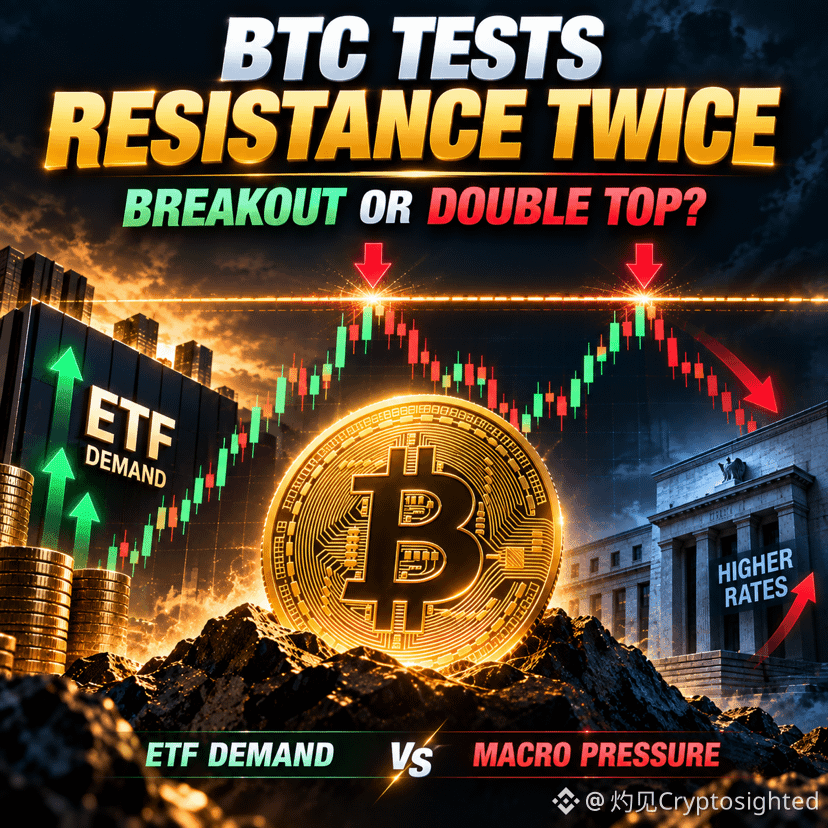
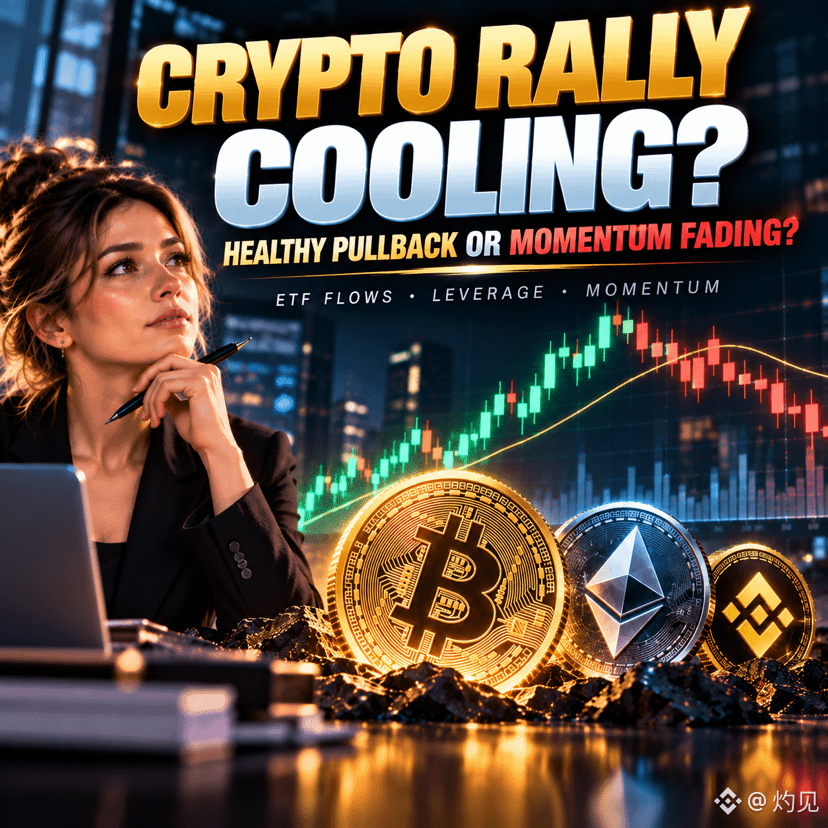
🚨 BTC is still digesting positions at high levels, while ETH has already moved.
This might be the most worth-watching signal tonight.
After weeks of consolidation, $ETH is now breaking through its previous range structure.
What’s most interesting is this:
🔥 BTC stays strong
⚡ ETH starts to accelerate
💰 ETF flows are becoming active again
🔄 Capital begins looking for the next high-volatility direction
Now the real question:
Is this just ETH catching up, or has capital rotation started?
If it’s only a catch-up, the momentum may cool down soon.
But if ETH continues to strengthen while the ETH/BTC trend improves—
Then market trading logic may shift from:
“Only buy BTC”
gradually to:
“Who’s next?”
Next, what I care about most isn’t the exact price,
but whether ETH can keep outperforming BTC.
👇 What do you think?
Short-term catch-up 🔴 / capital rotation 🟢?
#BTC #ETH #BNB
This might be the most worth-watching signal tonight.
After weeks of consolidation, $ETH is now breaking through its previous range structure.
What’s most interesting is this:
🔥 BTC stays strong
⚡ ETH starts to accelerate
💰 ETF flows are becoming active again
🔄 Capital begins looking for the next high-volatility direction
Now the real question:
Is this just ETH catching up, or has capital rotation started?
If it’s only a catch-up, the momentum may cool down soon.
But if ETH continues to strengthen while the ETH/BTC trend improves—
Then market trading logic may shift from:
“Only buy BTC”
gradually to:
“Who’s next?”
Next, what I care about most isn’t the exact price,
but whether ETH can keep outperforming BTC.
👇 What do you think?
Short-term catch-up 🔴 / capital rotation 🟢?
#BTC #ETH #BNB

Log in to explore more content