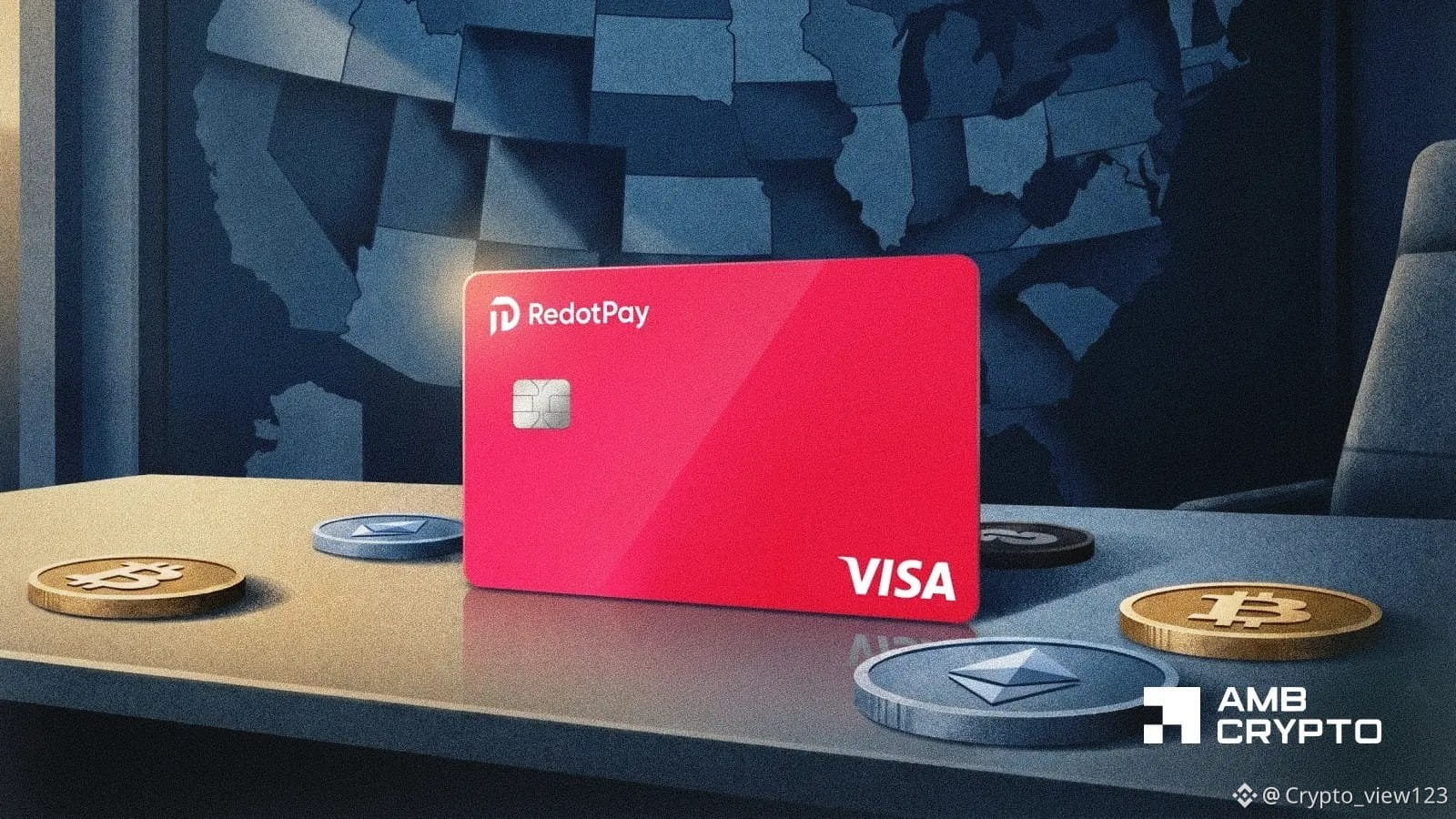
A loan backed by encrypted assets is applying for an official pass.
A payment company has obtained lending qualifications in the United States, paving the way to conduct credit business backed by crypto assets. At the same time, the size of the crypto-collateralized lending market has reached $56.16 billion. This scale has continued to expand over the past two years.
It is worth explaining the relationship between scale and licensing. Previously, such business was often handled by offshore entities or structures, leaving users facing unclear jurisdictional enforcement paths. After obtaining a local license, the place of contract enforcement, interest rate caps, and information disclosure all enter a clear framework. The license turns previously vague boundaries of responsibility into written provisions.
For borrowers, the changes will be reflected in the terms. Compliance institutions typically require more conservative loan-to-collateral ratios and stricter rules for recovery. In exchange for the increased certainty, the available leverage space is compressed, and price fluctuations are transmitted more quickly to notifications of additional margin calls.
For the industry, this route depends on two things: whether the licensed entity truly starts making loans, and whether the scope of collateral can expand from mainstream assets to more complex products. These two factors determine whether the license is merely decorative or serves as a channel. A license does not create demand; it only changes who can fulfill demand.
With a license, risk does not disappear—it only becomes something that can be sued.
#加密信贷 #compliance
A payment company has obtained lending qualifications in the United States, paving the way to conduct credit business backed by crypto assets. At the same time, the size of the crypto-collateralized lending market has reached $56.16 billion. This scale has continued to expand over the past two years.
It is worth explaining the relationship between scale and licensing. Previously, such business was often handled by offshore entities or structures, leaving users facing unclear jurisdictional enforcement paths. After obtaining a local license, the place of contract enforcement, interest rate caps, and information disclosure all enter a clear framework. The license turns previously vague boundaries of responsibility into written provisions.
For borrowers, the changes will be reflected in the terms. Compliance institutions typically require more conservative loan-to-collateral ratios and stricter rules for recovery. In exchange for the increased certainty, the available leverage space is compressed, and price fluctuations are transmitted more quickly to notifications of additional margin calls.
For the industry, this route depends on two things: whether the licensed entity truly starts making loans, and whether the scope of collateral can expand from mainstream assets to more complex products. These two factors determine whether the license is merely decorative or serves as a channel. A license does not create demand; it only changes who can fulfill demand.
With a license, risk does not disappear—it only becomes something that can be sued.
#加密信贷 #compliance