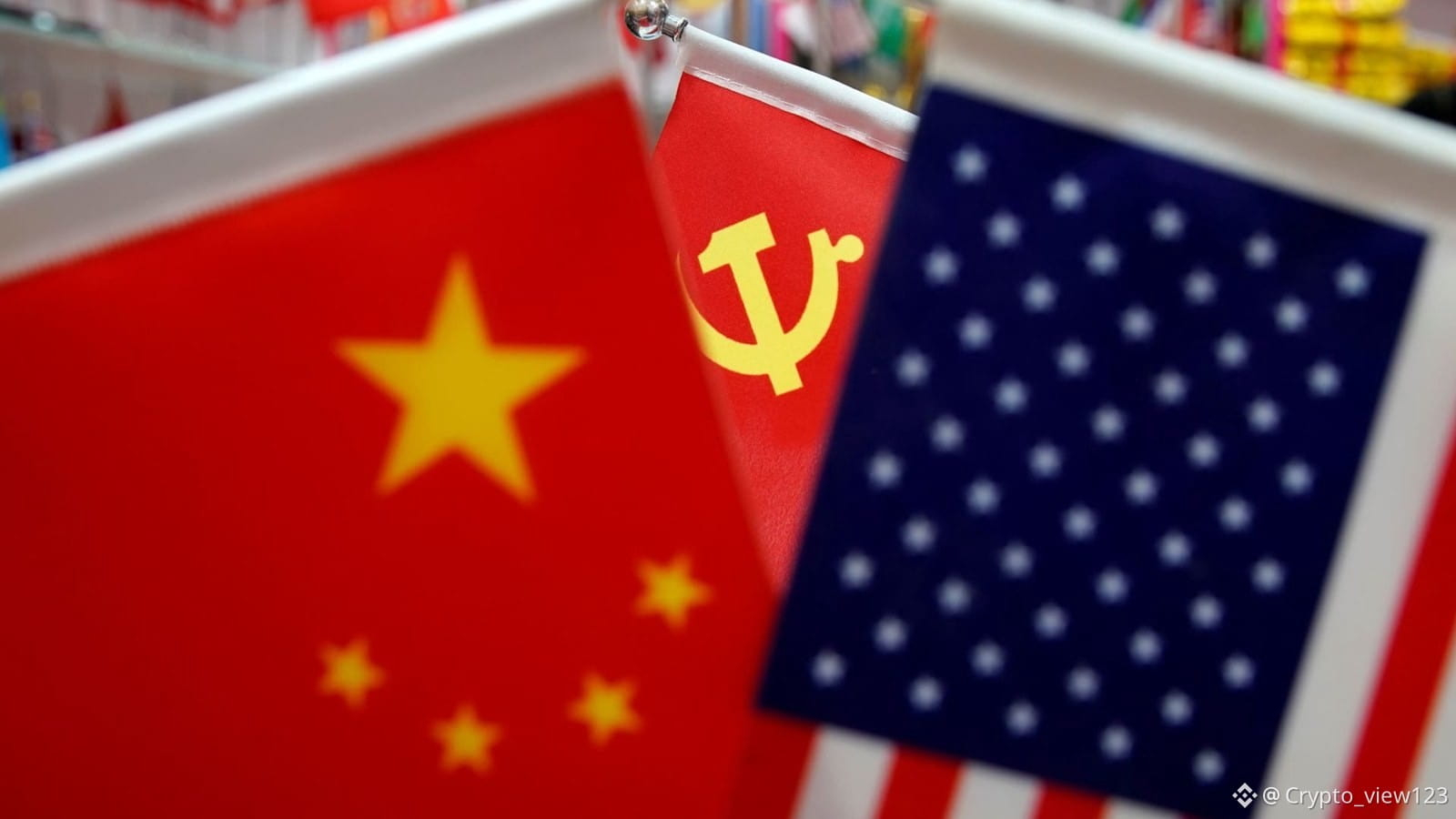
The ceasefire was extended by two months—shorter than the market expected. This arrangement hasn’t addressed structural issues.
On Wednesday, the U.S. Treasury Secretary said the U.S.-China trade ceasefire will be extended to January 10 next year, when it was originally set to expire in November. The agreement keeps lower tariffs in place and maintains rare-earth supplies. China, meanwhile, needs to make more commitments in the follow-up. The framework of the deal remains unchanged; only the expiration date has been adjusted.
Previously, most people expected it to be extended by half a year or even longer. Some analysts believe that a two-month package indicates the U.S. side isn’t satisfied with China’s offer and is willing to keep pressure on, while also giving more justification for the later summit and other multilateral settings. A short-term extension leaves the same uncertainties into next year—short-term by itself is also a stance.
Problems at the business level were not resolved either. The head of the European Chamber of Commerce noted that rare-earth export licenses still lack unified application standards. For companies, what the ceasefire maintains is continuity in trade, not certainty. For procurement and inventory departments, a two-month window isn’t enough to support long-term contracts.
Extending rather than solving is the norm in this kind of negotiation. The signal that really matters isn’t the deadline itself, but whether verifiable delivery projects in the commitments are actually moving forward. The shorter the timeline, the more likely companies are to operate on the spot market.
Pushing the deadline back doesn’t mean pushing the problems forward.
#中美贸易 #Tariffs
On Wednesday, the U.S. Treasury Secretary said the U.S.-China trade ceasefire will be extended to January 10 next year, when it was originally set to expire in November. The agreement keeps lower tariffs in place and maintains rare-earth supplies. China, meanwhile, needs to make more commitments in the follow-up. The framework of the deal remains unchanged; only the expiration date has been adjusted.
Previously, most people expected it to be extended by half a year or even longer. Some analysts believe that a two-month package indicates the U.S. side isn’t satisfied with China’s offer and is willing to keep pressure on, while also giving more justification for the later summit and other multilateral settings. A short-term extension leaves the same uncertainties into next year—short-term by itself is also a stance.
Problems at the business level were not resolved either. The head of the European Chamber of Commerce noted that rare-earth export licenses still lack unified application standards. For companies, what the ceasefire maintains is continuity in trade, not certainty. For procurement and inventory departments, a two-month window isn’t enough to support long-term contracts.
Extending rather than solving is the norm in this kind of negotiation. The signal that really matters isn’t the deadline itself, but whether verifiable delivery projects in the commitments are actually moving forward. The shorter the timeline, the more likely companies are to operate on the spot market.
Pushing the deadline back doesn’t mean pushing the problems forward.
#中美贸易 #Tariffs