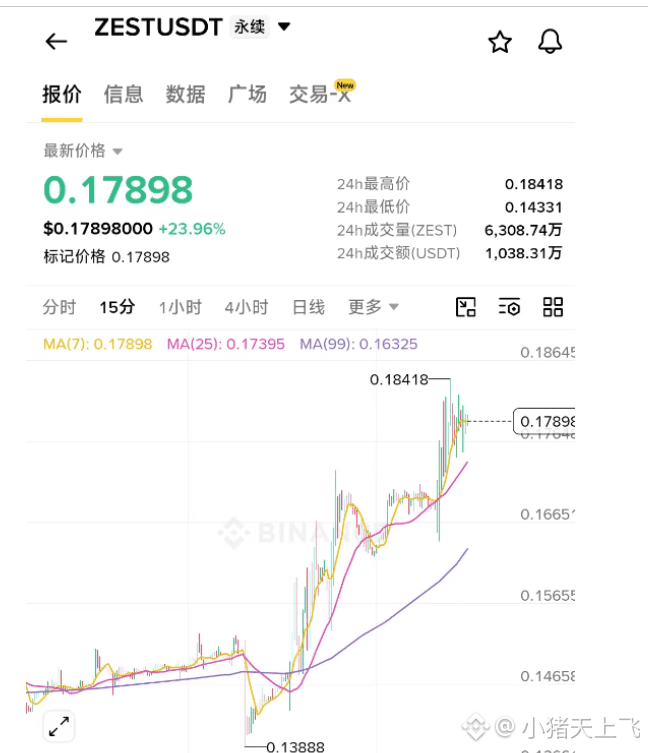

Zest has already kicked off its lending and borrowing business, and now it wants to turn BTC into a truly usable form of collateral. If this step works, the market’s understanding of ZEST may change.
First, let’s look at what it has already managed to build.
Many projects talk about Bitcoin finance, but in the end they stay at the conceptual level.
Zest is different. It first validated lending demand on Stacks. In August 2026, its market peak deposits exceeded $100 million, with loans of about $10 million. Stablecoin liquidity surpassed $9 million as well, and it has completed more than 1,500 liquidations while maintaining zero bad debt.
I think this matters more than a grand narrative.
Because what’s hardest about a lending protocol isn’t just going live—it’s being able to keep operating normally when the market is volatile. If some people deposit, some people borrow, and the protocol can still generate income through interest, then that’s proof the product is actually being used.
What Zest plans to do next is very straightforward.
Users lock BTC into a self-custody vault on Bitcoin L1, then borrow stablecoins on an EVM chain. BTC doesn’t need to be wrapped, and it doesn’t have to leave the Bitcoin network via a cross-chain bridge.
For BTC holders, this means they don’t have to sell their BTC to get liquidity.
In my view, lending is only the beginning. Once BTC truly becomes collateral, it can further extend into more financial applications.
That’s also where Zest differs from the typical L2 story. It’s not merely trying to build another chain—it’s attempting to enter Bitcoin’s capital layer.
Small-cap assets may see a reset in pricing.
In the past, the market may have been more accustomed to viewing ZEST as a small-cap Stacks application token.
But if the mainnet product rolls out smoothly, and BTC-collateralized borrowing starts to grow, the market may start looking at it in a different way.
Stacks has already shown that Bitcoin infrastructure has significant valuation potential. In April 2024, Stacks’ circulating market cap reached around $4.83 billion, with FDV around $6.05 billion.
This doesn’t mean ZEST will simply copy that valuation. It just shows that the industry itself isn’t lacking in imagination.
After ZEST launched on Alpha on May 19, 2026, its closing price on the first day was about $0.1446, and then it rose to about $0.3497 on June 9. The focus of ZEST isn’t the next candlestick—it’s whether it can bring the already-validated lending business into Bitcoin’s capital layer. If the product and revenue continue to grow, it has the chance to evolve from a small-cap token into a Bitcoin financial asset that the market reprices.
First, let’s look at what it has already managed to build.
Many projects talk about Bitcoin finance, but in the end they stay at the conceptual level.
Zest is different. It first validated lending demand on Stacks. In August 2026, its market peak deposits exceeded $100 million, with loans of about $10 million. Stablecoin liquidity surpassed $9 million as well, and it has completed more than 1,500 liquidations while maintaining zero bad debt.
I think this matters more than a grand narrative.
Because what’s hardest about a lending protocol isn’t just going live—it’s being able to keep operating normally when the market is volatile. If some people deposit, some people borrow, and the protocol can still generate income through interest, then that’s proof the product is actually being used.
What Zest plans to do next is very straightforward.
Users lock BTC into a self-custody vault on Bitcoin L1, then borrow stablecoins on an EVM chain. BTC doesn’t need to be wrapped, and it doesn’t have to leave the Bitcoin network via a cross-chain bridge.
For BTC holders, this means they don’t have to sell their BTC to get liquidity.
In my view, lending is only the beginning. Once BTC truly becomes collateral, it can further extend into more financial applications.
That’s also where Zest differs from the typical L2 story. It’s not merely trying to build another chain—it’s attempting to enter Bitcoin’s capital layer.
Small-cap assets may see a reset in pricing.
In the past, the market may have been more accustomed to viewing ZEST as a small-cap Stacks application token.
But if the mainnet product rolls out smoothly, and BTC-collateralized borrowing starts to grow, the market may start looking at it in a different way.
Stacks has already shown that Bitcoin infrastructure has significant valuation potential. In April 2024, Stacks’ circulating market cap reached around $4.83 billion, with FDV around $6.05 billion.
This doesn’t mean ZEST will simply copy that valuation. It just shows that the industry itself isn’t lacking in imagination.
After ZEST launched on Alpha on May 19, 2026, its closing price on the first day was about $0.1446, and then it rose to about $0.3497 on June 9. The focus of ZEST isn’t the next candlestick—it’s whether it can bring the already-validated lending business into Bitcoin’s capital layer. If the product and revenue continue to grow, it has the chance to evolve from a small-cap token into a Bitcoin financial asset that the market reprices.