📰 Meta’s AI agent Muse climbed to #1 on the U.S. App Store’s free chart within 10 days. Even more astonishing: the hype also reached the capital markets. Meta jumped 11.4% in a single day, with its market value increasing by about $192.3 billion, and AMD’s market cap also surpassed $1 trillion for the first time.
🔥 The smartest part of Muse may not be “being able to operate a computer,” but rather that it tells users upfront: it can help you get your money back. Refunds, unused subscriptions, insurance bills—these are things ordinary people instantly understand, and they’re easier to share than benchmark scores. Meta also drove adoption through a “save-money challenge.” While some cases came from employees, it still gave users a clear reason to try it right away.
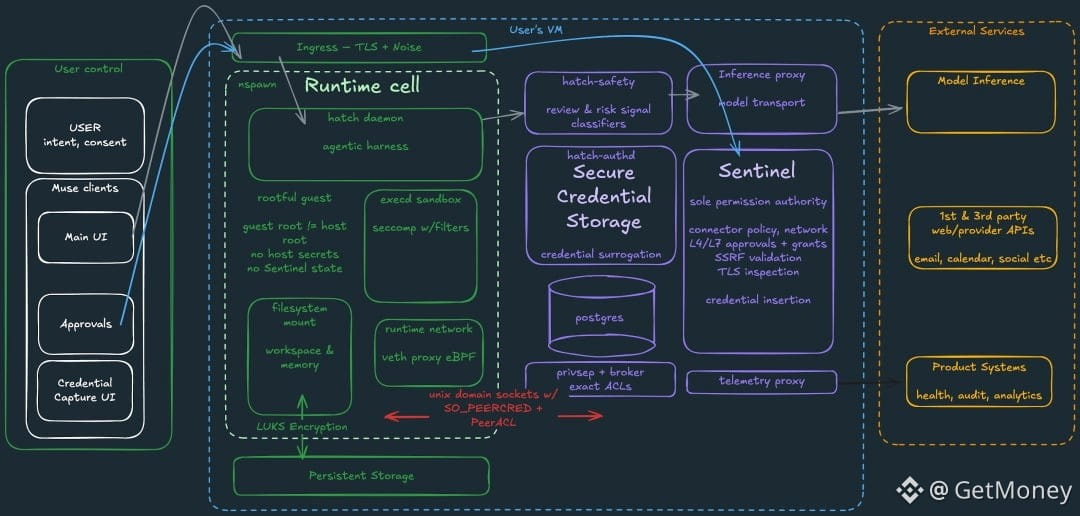
💡 Technically, Muse keeps the AI running in a cloud-based virtual machine so tasks can continue even after the user turns off their phone. It can open webpages and fill out forms; once started, the task can keep running. Personal data, account credentials, and the execution program are managed separately, and an approval-and-permissions mechanism controls what it can do externally. It sounds more secure, but the real-world security impact still needs to be proven through actual use.
In fact, these capabilities don’t appear out of thin air. In China, AutoGLM, Doubao Phone, and Qianwen have all done cloud computers, phone control, or API integrations. What really creates the gap for Muse might be the WhatsApp entry point, free compute, and a product reason that’s straightforward enough—“help me save money.”
🤔 Honestly, it’s no longer surprising for an AI assistant to be able to make coffee. The hard part is getting ordinary people to hand it a few real-life tasks every day. Do you think “help users save money” can become the entry point that truly makes personal Agents go mainstream?
#AI智能体 #Meta #Muse #Web3观察
🔥 The smartest part of Muse may not be “being able to operate a computer,” but rather that it tells users upfront: it can help you get your money back. Refunds, unused subscriptions, insurance bills—these are things ordinary people instantly understand, and they’re easier to share than benchmark scores. Meta also drove adoption through a “save-money challenge.” While some cases came from employees, it still gave users a clear reason to try it right away.
💡 Technically, Muse keeps the AI running in a cloud-based virtual machine so tasks can continue even after the user turns off their phone. It can open webpages and fill out forms; once started, the task can keep running. Personal data, account credentials, and the execution program are managed separately, and an approval-and-permissions mechanism controls what it can do externally. It sounds more secure, but the real-world security impact still needs to be proven through actual use.
In fact, these capabilities don’t appear out of thin air. In China, AutoGLM, Doubao Phone, and Qianwen have all done cloud computers, phone control, or API integrations. What really creates the gap for Muse might be the WhatsApp entry point, free compute, and a product reason that’s straightforward enough—“help me save money.”
🤔 Honestly, it’s no longer surprising for an AI assistant to be able to make coffee. The hard part is getting ordinary people to hand it a few real-life tasks every day. Do you think “help users save money” can become the entry point that truly makes personal Agents go mainstream?
#AI智能体 #Meta #Muse #Web3观察