

If you trade memecoins or new launches you already know how quickly things can move.
A token can launch, start trending, do a few Xs in minutes and suddenly everyone is talking about it. But one thing I’ve learned from trading new launches is that price action alone is not enough.
Before I put money into a new token, I want to know what is happening behind the price.
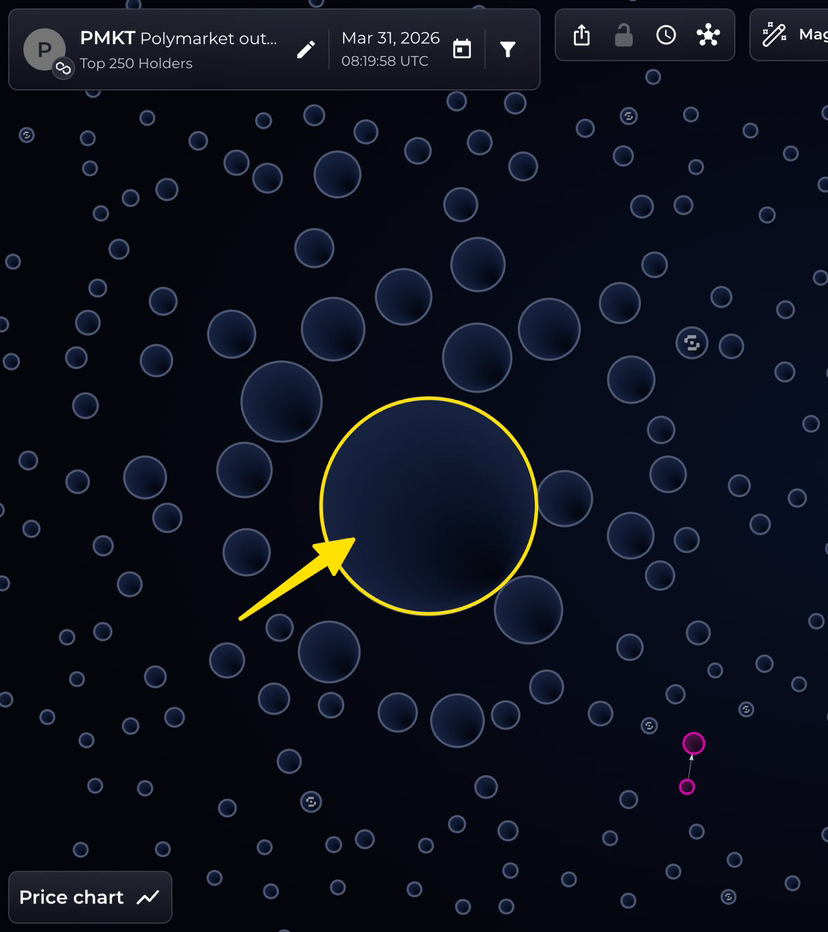
That is one of the reasons Bubblemaps has been a tool I regularly use when researching meme coins and altcoins.
I’ve used Bubblemaps to look at holder distribution and wallet connections and, in some cases, I’ve noticed patterns that made me stay away from a token.
Sometimes you see wallets that look separate on the surface but are connected through funding or transaction activity. Other times, you can see a large concentration of supply sitting around a group of connected wallets.
Those things don’t automatically mean a project is a scam. But for me, they are signals that deserve more investigation before I take a position.
And this is what makes the new Bubblemaps revamp interesting.
The platform is no longer just somewhere I go after I already find a token. The new experience is built around discovering tokens, checking them and then trading them from the same place.
The new feed gives you trending and fresh tokens across different chains, with Arc also supported from day one. Instead of blindly scrolling through every new launch, the platform is designed to filter out tokens showing certain high risk patterns such as insider clusters and bundled wallets before they become part of the discovery experience.
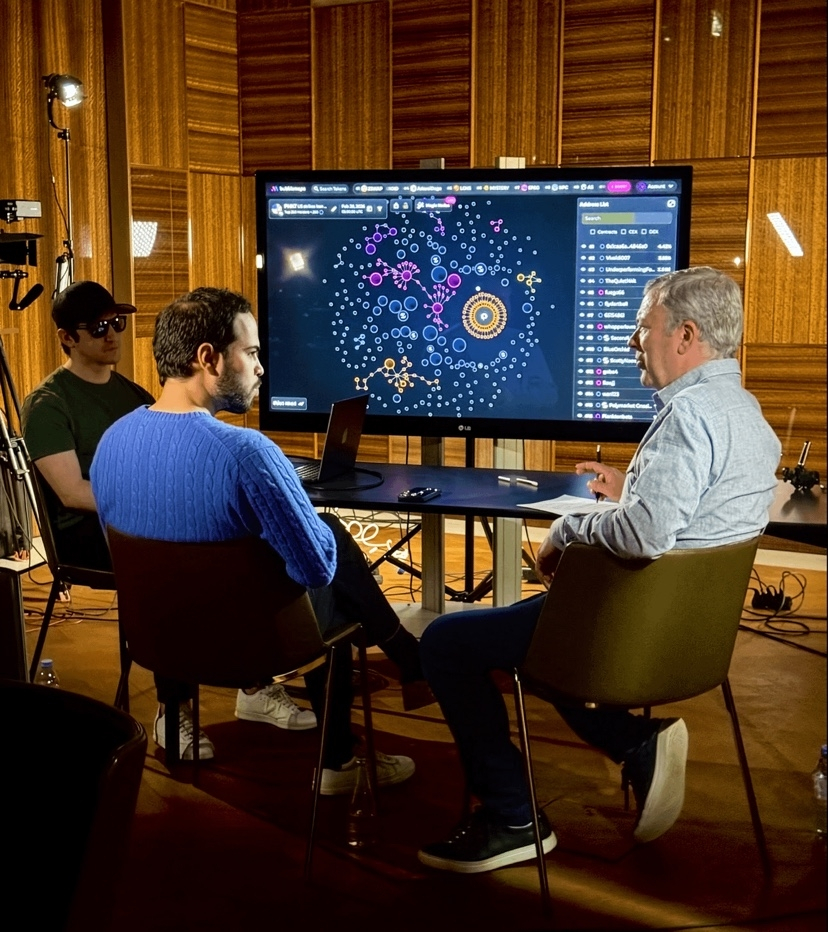
That changes the workflow for me.
I can find a token, hover over it and immediately get a bubble map view. From there, I can look at how the wallets are connected and use the Bubblemaps Score to get a quick indication of insider concentration.
Another feature I really like is being able to click on a candle and see the holder distribution at that exact point in the token’s history.
For new launches, timing matters.
I might want to know what the holder distribution looked like shortly after launch, after a big price move or when a particular wallet started moving tokens.
Being able to look at the distribution at a specific moment gives much more context than simply looking at the current holders.
The filters are also useful because not every trader is looking for the same thing.
You can filter by chain, launchpad, price, volume, liquidity and other parameters to narrow down what you’re actually interested in.
Then there are the smaller details that I think can make the research process easier.
Project socials can be verified and reviewed, wallet labels are reviewed by professional onchain sleuths, and there is now token boosting inside the app.
And after doing the research, there is an integrated swap with a 0.5% fee, so the entire process can happen without constantly moving between different platforms.
For me, that’s the biggest change.
Previously, my workflow could look something like this:
Find a token somewhere.
Open Bubblemaps.
Check the holders.
Check the wallet connections.
Look at the launch activity.
Go back to another platform to trade.
Now Bubblemaps is trying to bring that entire process together.
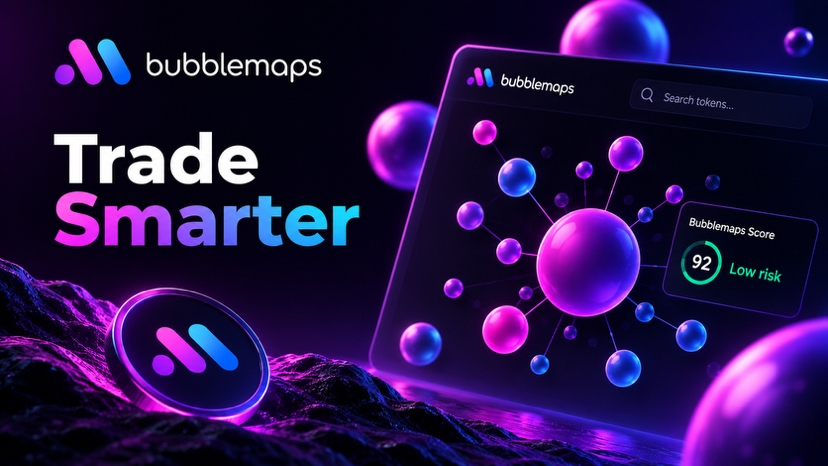
Find.
Vet.
Trade.
That doesn’t mean Bubblemaps can predict which token will pump or guarantee that a token is safe.
Onchain analysis is still about identifying signals and understanding what you’re actually buying.
But when I’m trading new meme coins, I would rather spend a few extra seconds looking at the wallets than blindly buy because a token is trending.
The new Bubblemaps experience makes that research much faster.
If you’re trading fresh launches, especially memecoins, I think the interesting part isn’t simply the new interface.
It’s the shift from discovering a token first and investigating it later, to having onchain research become part of the discovery process itself.
I’ve been using Bubblemaps for exactly this reason, and the new revamp makes that workflow much more practical.
Check it out and do your own research.