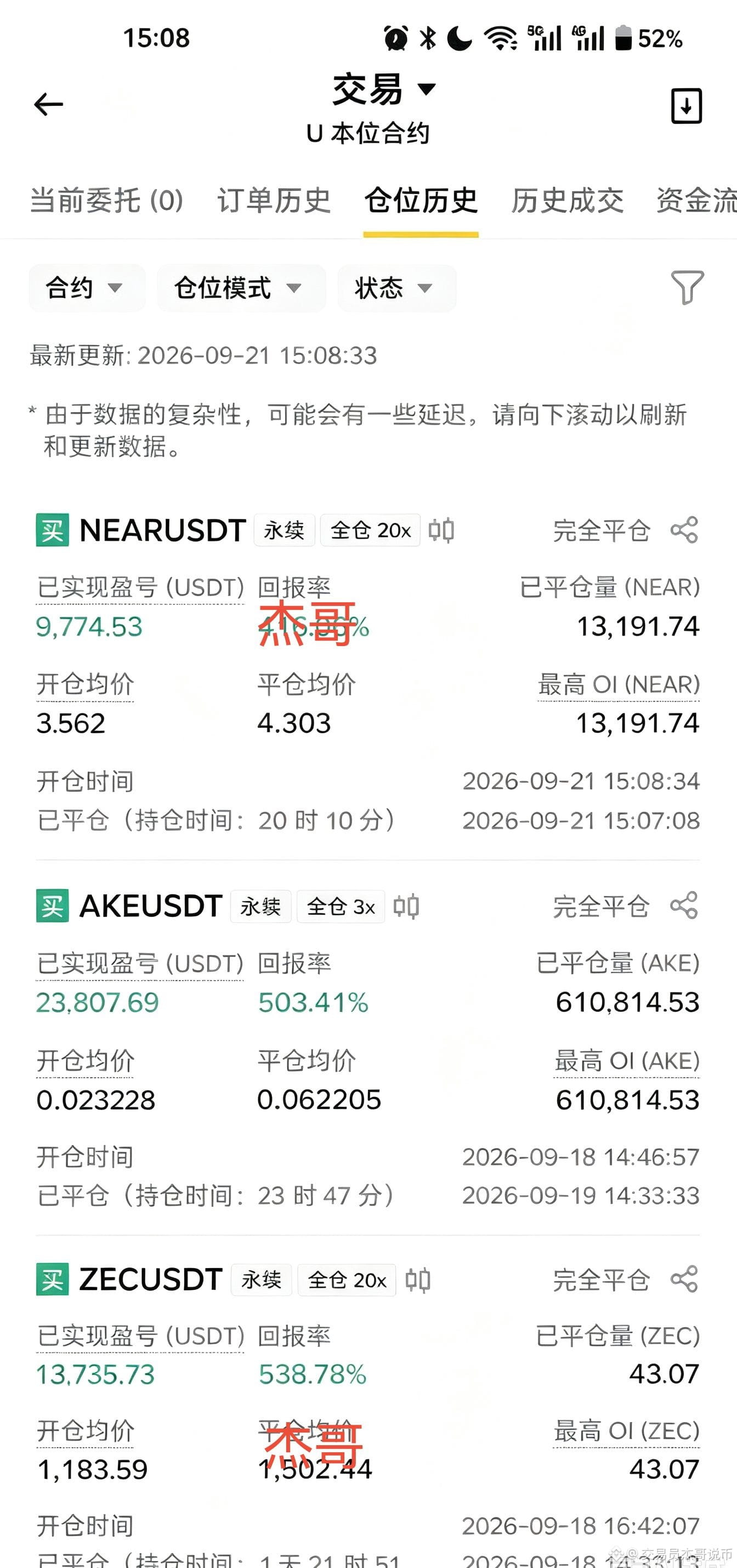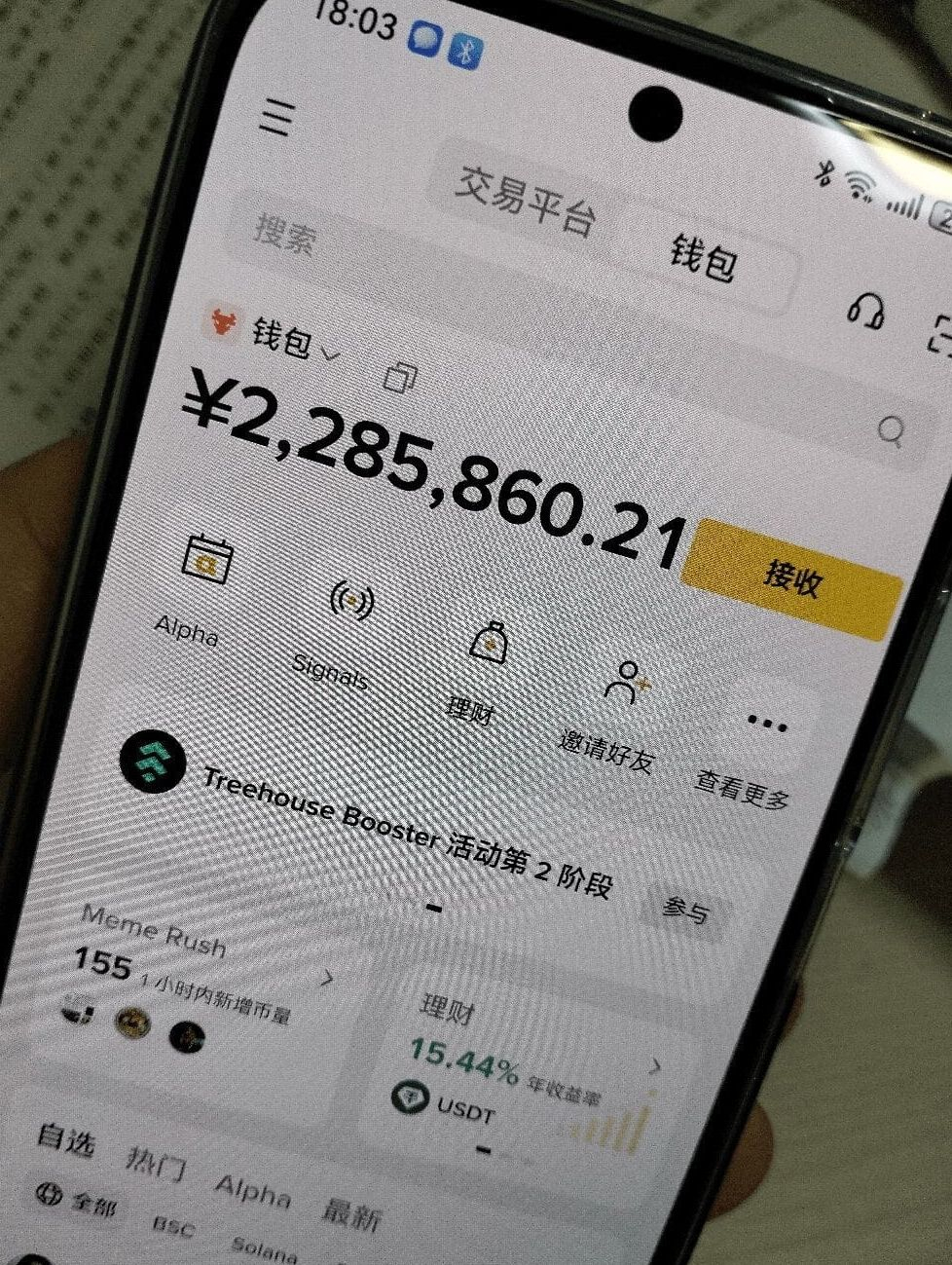
Many people who have come into contact with contracts have had similar experiences: at first, they only used a little spare money to test the waters, without expecting too much—luck was on their side, and in a short time the number on their account jumped by dozens of times.
In those few days, their whole state changed completely. While eating, they stared at the market popup; before sleeping, they only dared to close their eyes after finishing the candlestick chart. Even in their dreams, only red and green numbers kept flashing. The old rhythm of working overtime for a month just to wait for payday suddenly got blown away by a few days of gains. The nine-to-five commute and overtime at that moment felt especially long, tedious, and pointless.
The real turning point is exactly crossing over from here.
If the market pulled back slightly, the first reaction wasn’t to cut losses and exit—instead, they thought it was a great opportunity to add more and buy the dip. Lose a little and make up for it; the position kept growing and growing, until all that filled their head was: “The next trade will make back all the previous losses.” Not long after, the profits they had made earlier—along with the principal—were both wiped out, leaving only scraps.
Losing money isn’t ever the hardest part. The hardest part is that you’ve already been tamed by the feeling of those rapid swings: waking up in the middle of the night and automatically reaching for your phone to check the market. You know full well that high leverage is extremely risky, yet when the chart jumps, your fingers act against your control and you end up tapping into the trading page.
What high leverage hooks people with is never that losses come fast—it’s that profits come too fast. After an unrealized gain doubles once, you can forget the steadiness of saving wages for the past few months. And after a liquidation wipes everything to zero, it pushes you to risk it all in a gamble to get even. The more desperate you are to break even, the more likely you are to go all in with a heavy position. The more unwilling you are to exit with a small loss, the easier it is to keep going down the wrong path, farther and farther.
The hardest thing in trading is never understanding a single candlestick. It’s whether you dare to simply close the app once you realize your state has gotten out of control. Only when you can actively stop, decisively exit, and put real life back in front of the candlestick chart—can you truly say you’ve walked out of this emotional game.
In those few days, their whole state changed completely. While eating, they stared at the market popup; before sleeping, they only dared to close their eyes after finishing the candlestick chart. Even in their dreams, only red and green numbers kept flashing. The old rhythm of working overtime for a month just to wait for payday suddenly got blown away by a few days of gains. The nine-to-five commute and overtime at that moment felt especially long, tedious, and pointless.
The real turning point is exactly crossing over from here.
If the market pulled back slightly, the first reaction wasn’t to cut losses and exit—instead, they thought it was a great opportunity to add more and buy the dip. Lose a little and make up for it; the position kept growing and growing, until all that filled their head was: “The next trade will make back all the previous losses.” Not long after, the profits they had made earlier—along with the principal—were both wiped out, leaving only scraps.
Losing money isn’t ever the hardest part. The hardest part is that you’ve already been tamed by the feeling of those rapid swings: waking up in the middle of the night and automatically reaching for your phone to check the market. You know full well that high leverage is extremely risky, yet when the chart jumps, your fingers act against your control and you end up tapping into the trading page.
What high leverage hooks people with is never that losses come fast—it’s that profits come too fast. After an unrealized gain doubles once, you can forget the steadiness of saving wages for the past few months. And after a liquidation wipes everything to zero, it pushes you to risk it all in a gamble to get even. The more desperate you are to break even, the more likely you are to go all in with a heavy position. The more unwilling you are to exit with a small loss, the easier it is to keep going down the wrong path, farther and farther.
The hardest thing in trading is never understanding a single candlestick. It’s whether you dare to simply close the app once you realize your state has gotten out of control. Only when you can actively stop, decisively exit, and put real life back in front of the candlestick chart—can you truly say you’ve walked out of this emotional game.