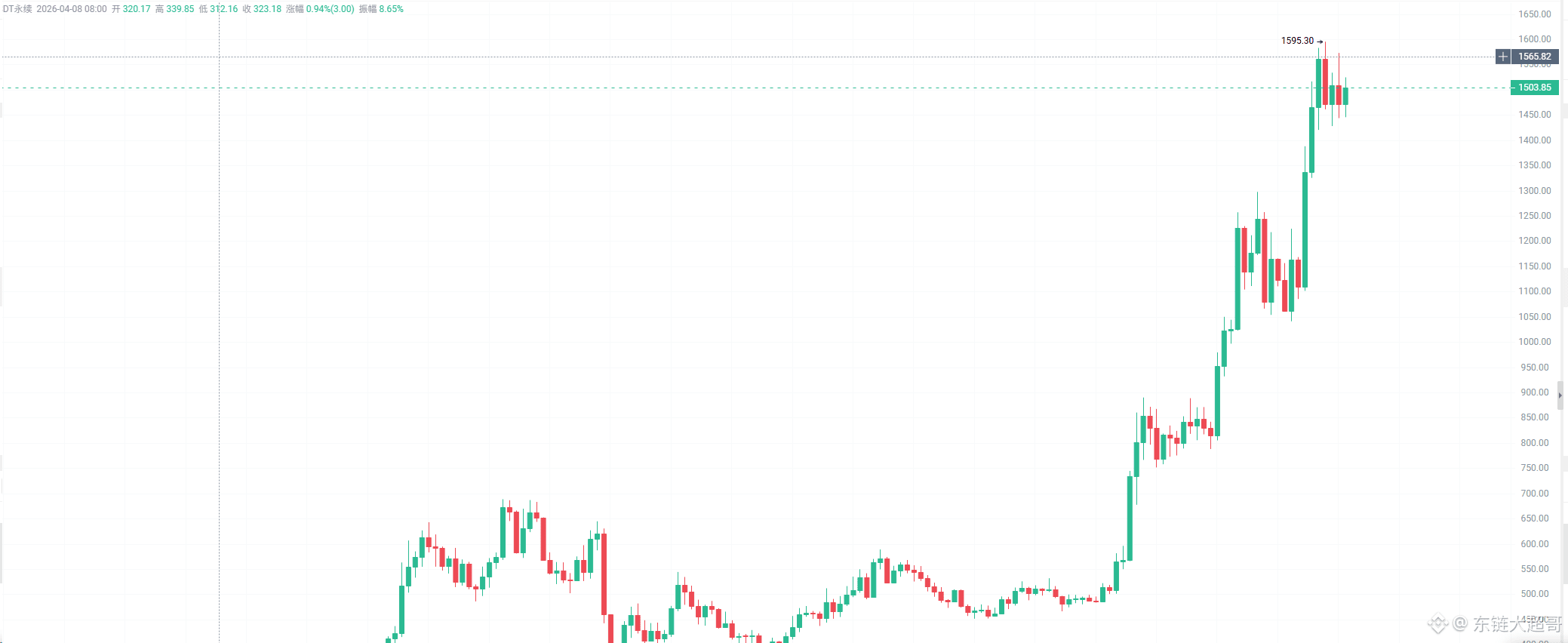
Zec is now 1506. Many people haven’t really heard of this coin.
It’s called Zcash, an old coin from 2016. The total supply is the same as Bitcoin’s—21 million—and it also halves. The difference is that it can hide transfers: outsiders can’t see who sent it to whom, or how much was transferred.
Privacy coins were basically suppressed in the past few years—exchanges delisted them one by one, and nobody touched them.
Eleven months ago, it was still ranked in the eighties; two years ago, its low was only a dozen dollars.
Now it’s at 1,500—almost 100 times higher—with a market cap of $25.5 billion.
Its turnaround is driven by these few things.
On August 25, Grayscale’s Zcash spot ETF launched—the first one in the United States. By the 17th, it had three straight weeks of net inflows totaling over $350 million.
On the 17th, there were two more things. Paradigm publicly said it holds zec. And a community vote approved an upgrade: block times changed from 75 seconds to 25 seconds. The halving was kept as well, with 99.9% approval.
Plus derivatives.
In early September, its open interest surged to a historical high of $2.4 billion. Once it broke 1,000, short positions got squeezed in a chain reaction, pushing it straight up. It also broke 1,400 on the 18th.
To put it simply: a privacy coin that was abandoned—now Wall Street money can buy it directly. That’s the root of its rally.
But the contract leverage is too heavy; it rises fast and falls fast too. In June, it got hammered once due to a serious vulnerability.
In 2016, it once hit a peak of 3,191; now it’s still more than halfway below that.
I think there’s still room to grow, but at this level, it may be better to use small leverage to go long. #ZEC $ZEC
It’s called Zcash, an old coin from 2016. The total supply is the same as Bitcoin’s—21 million—and it also halves. The difference is that it can hide transfers: outsiders can’t see who sent it to whom, or how much was transferred.
Privacy coins were basically suppressed in the past few years—exchanges delisted them one by one, and nobody touched them.
Eleven months ago, it was still ranked in the eighties; two years ago, its low was only a dozen dollars.
Now it’s at 1,500—almost 100 times higher—with a market cap of $25.5 billion.
Its turnaround is driven by these few things.
On August 25, Grayscale’s Zcash spot ETF launched—the first one in the United States. By the 17th, it had three straight weeks of net inflows totaling over $350 million.
On the 17th, there were two more things. Paradigm publicly said it holds zec. And a community vote approved an upgrade: block times changed from 75 seconds to 25 seconds. The halving was kept as well, with 99.9% approval.
Plus derivatives.
In early September, its open interest surged to a historical high of $2.4 billion. Once it broke 1,000, short positions got squeezed in a chain reaction, pushing it straight up. It also broke 1,400 on the 18th.
To put it simply: a privacy coin that was abandoned—now Wall Street money can buy it directly. That’s the root of its rally.
But the contract leverage is too heavy; it rises fast and falls fast too. In June, it got hammered once due to a serious vulnerability.
In 2016, it once hit a peak of 3,191; now it’s still more than halfway below that.
I think there’s still room to grow, but at this level, it may be better to use small leverage to go long. #ZEC $ZEC