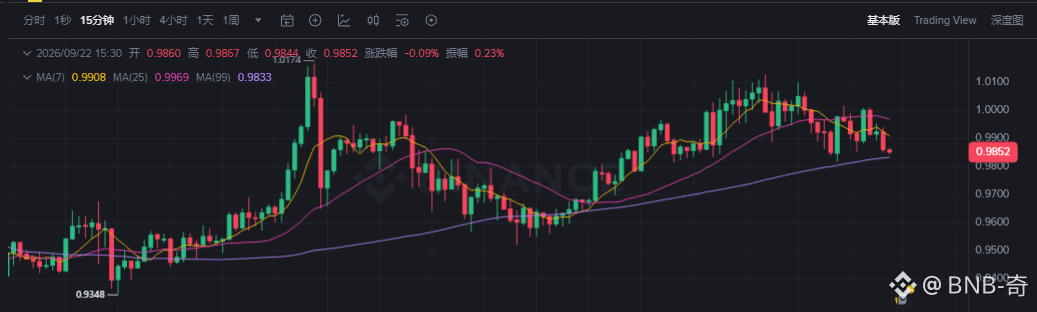
FIL needs to get going again—what matters isn’t saving more, but that someone keeps paying continuously, and that the money ultimately turns into buy orders on the order book. Capacity, miners, transactions—these supply-side matters are basically already done by Filecoin.
If you can store data, it only proves the network is operating; it doesn’t prove anyone is willing to pay, and it definitely doesn’t prove that after paying, they’ll go buy FIL. Storage subsidized up front may look like demand, but in reality it’s just transactions.
Transactions aren’t revenue. Revenue also doesn’t automatically translate into token demand. Miners claim rewards and then sell; once unlocked, the tokens keep flowing out. No matter how complete the supply-side story is, the outcome is often only keeping the sell pressure well-fed.
Next round, watch only one short chain: real business → ongoing payments → on-chain settlement → FIL is bought, locked, or burned. If any link is missing, you only have a network being used, not a token that’s actually needed.
With stablecoin payments, revenue is converted into fiat immediately, and if the protocol neither locks nor burns funds, the money stays at the business layer and can’t enter the order book. Payments have to be big enough, and settlement, collateral, transaction fees, and incentives all need to incorporate the cash flow into FIL for buy orders to be real.
Reducing issuance, pausing unlocks, and increasing collateral can only turn down the faucet—reducing pain—but it can’t become the main storyline. After the flow is reduced, whether prices can keep up still depends on whether a sustained buyer has appeared.
Buyers don’t come from more hard drives; they come from data, search, verification, and cloud services where someone is willing to pay—and that money finally passes through FIL.
So don’t ask first how much storage has gone up. Ask instead: who is paying, how much are they paying, and whether this money becomes real FIL demand. Until the chain is fully connected, Filecoin is only a large storage facility.
Once the chain is connected, FIL can turn from network points into buy orders that get used. That’s where the story truly begins—this path is long and demanding.
$FIL
If you can store data, it only proves the network is operating; it doesn’t prove anyone is willing to pay, and it definitely doesn’t prove that after paying, they’ll go buy FIL. Storage subsidized up front may look like demand, but in reality it’s just transactions.
Transactions aren’t revenue. Revenue also doesn’t automatically translate into token demand. Miners claim rewards and then sell; once unlocked, the tokens keep flowing out. No matter how complete the supply-side story is, the outcome is often only keeping the sell pressure well-fed.
Next round, watch only one short chain: real business → ongoing payments → on-chain settlement → FIL is bought, locked, or burned. If any link is missing, you only have a network being used, not a token that’s actually needed.
With stablecoin payments, revenue is converted into fiat immediately, and if the protocol neither locks nor burns funds, the money stays at the business layer and can’t enter the order book. Payments have to be big enough, and settlement, collateral, transaction fees, and incentives all need to incorporate the cash flow into FIL for buy orders to be real.
Reducing issuance, pausing unlocks, and increasing collateral can only turn down the faucet—reducing pain—but it can’t become the main storyline. After the flow is reduced, whether prices can keep up still depends on whether a sustained buyer has appeared.
Buyers don’t come from more hard drives; they come from data, search, verification, and cloud services where someone is willing to pay—and that money finally passes through FIL.
So don’t ask first how much storage has gone up. Ask instead: who is paying, how much are they paying, and whether this money becomes real FIL demand. Until the chain is fully connected, Filecoin is only a large storage facility.
Once the chain is connected, FIL can turn from network points into buy orders that get used. That’s where the story truly begins—this path is long and demanding.
$FIL