📰 Humans didn't move into the metaverse—who would have thought robots would move in first?
American startup Antioch has just completed a $32 million Series A round led by Greylock. Together with its $8.5 million seed round earlier this year, the company—now a little over a year old—has raised a total of $40.5 million.
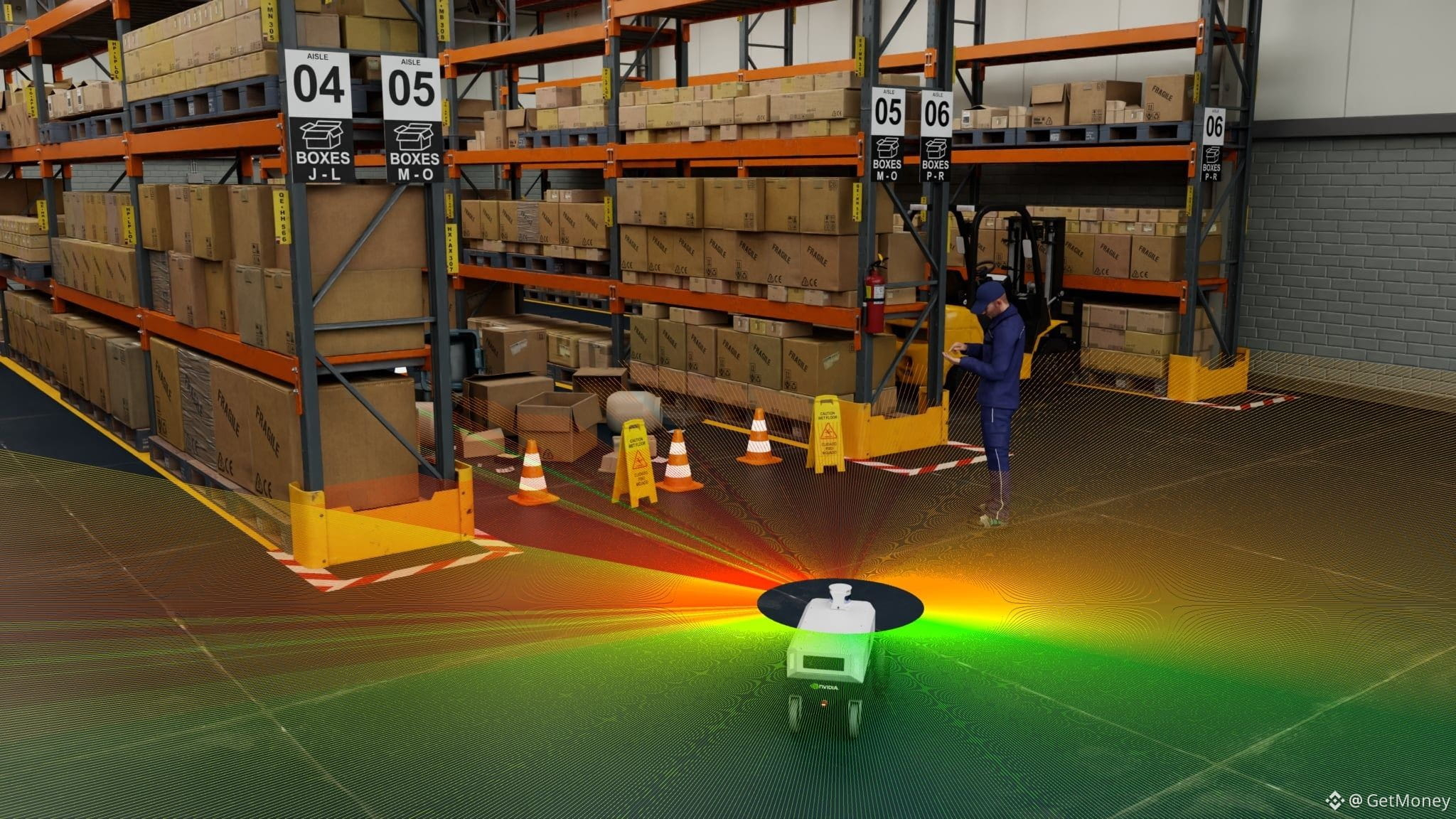
🔥 What it’s doing sounds like the metaverse, but the purpose is completely different: it brings robots, sensors, software, and runtime environments into a computer, training and testing robots in a digital world that closely resembles reality.
In real life, it’s hard to repeatedly test dangerous scenarios. A robot falls, the floor becomes slippery, the cameras fail, and even changes in warehouse racking and lighting can’t just be redone on real hardware whenever you want. Virtual environments are different: the same robot can be copied into thousands of digital doppelgängers, facing different layouts, materials, lighting, and friction.
💡 That’s also why simulated data has been revalued. Real robot data is closest to what happens in practice, but it’s expensive and slow. Internet videos are cheap and plentiful, but they lack joint angles, haptic feedback, and control signals. Simulation data sits right in between: it sacrifices some realism, but it can be copied quickly, trained in parallel, and it can even actively generate extreme edge cases.
Actually, NVIDIA’s Omniverse has also shifted its focus. Five years ago it was touted as “the foundation of the metaverse”; today, its official site defines it as tools and services for developing Physical AI applications, connecting robot simulation, industrial digital twins, and autonomous driving development.
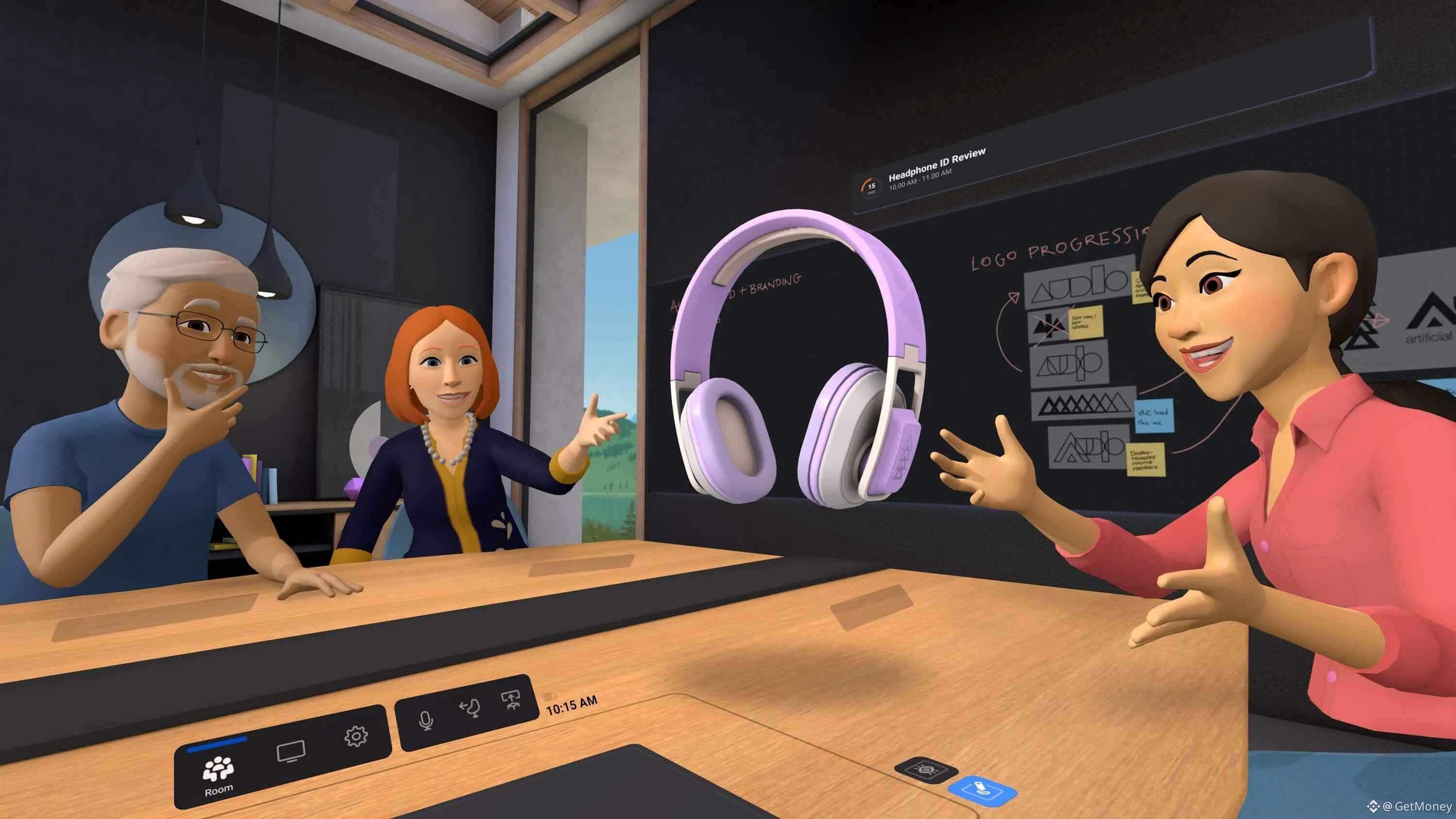
👀 So what’s left from the metaverse isn’t humans wearing headsets to hold meetings in a virtual world—it’s a set of 3D tools that continue to serve robots. To be honest, robots may need a virtual world that never breaks and can be copied infinitely more than humans do.
🤔 Do you think the next round of breakthroughs will come from a consumer-grade metaverse, or from the virtual training grounds behind robots?
#PhysicalAI #机器人 #元宇宙 #Simulation training
American startup Antioch has just completed a $32 million Series A round led by Greylock. Together with its $8.5 million seed round earlier this year, the company—now a little over a year old—has raised a total of $40.5 million.
🔥 What it’s doing sounds like the metaverse, but the purpose is completely different: it brings robots, sensors, software, and runtime environments into a computer, training and testing robots in a digital world that closely resembles reality.
In real life, it’s hard to repeatedly test dangerous scenarios. A robot falls, the floor becomes slippery, the cameras fail, and even changes in warehouse racking and lighting can’t just be redone on real hardware whenever you want. Virtual environments are different: the same robot can be copied into thousands of digital doppelgängers, facing different layouts, materials, lighting, and friction.
💡 That’s also why simulated data has been revalued. Real robot data is closest to what happens in practice, but it’s expensive and slow. Internet videos are cheap and plentiful, but they lack joint angles, haptic feedback, and control signals. Simulation data sits right in between: it sacrifices some realism, but it can be copied quickly, trained in parallel, and it can even actively generate extreme edge cases.
Actually, NVIDIA’s Omniverse has also shifted its focus. Five years ago it was touted as “the foundation of the metaverse”; today, its official site defines it as tools and services for developing Physical AI applications, connecting robot simulation, industrial digital twins, and autonomous driving development.
👀 So what’s left from the metaverse isn’t humans wearing headsets to hold meetings in a virtual world—it’s a set of 3D tools that continue to serve robots. To be honest, robots may need a virtual world that never breaks and can be copied infinitely more than humans do.
🤔 Do you think the next round of breakthroughs will come from a consumer-grade metaverse, or from the virtual training grounds behind robots?
#PhysicalAI #机器人 #元宇宙 #Simulation training