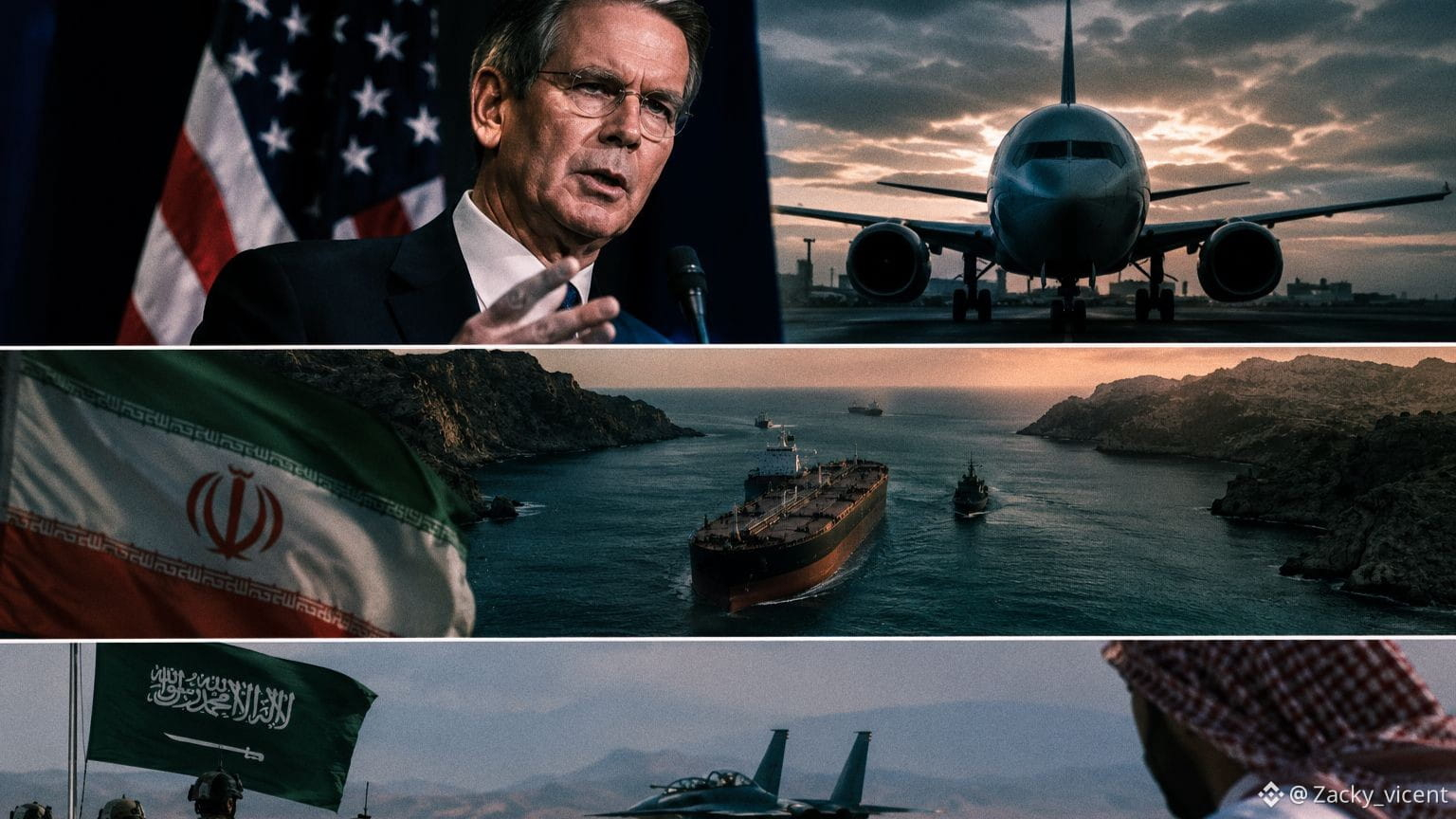
IRAN’S AIRLINES ARE BEING CUT OFF FROM THE WORLD.
Washington is turning economic pressure on Tehran into something far more brutal.
U.S. Treasury Secretary Scott Bessent told CNBC that, starting Wednesday, September 23, all Iranian airlines could effectively be shut down worldwide.
The mechanism is ruthless: deny fuel. Deny landing services. Deny ticket sales. And threaten companies that continue supporting sanctioned Iranian carriers with exclusion from the U.S. dollar system.
This is not just about airplanes.
It is about cutting Iran’s access to the infrastructure that keeps an aviation system alive.
On September 8, the U.S. Treasury sanctioned 27 Iranian airlines and warned foreign companies providing aircraft, cargo, sales, financial or other support that they could face serious consequences. Treasury says the campaign is designed to isolate Iran from the global financial system and target networks it says support the regime and the IRGC.
Then came another strike.
VTB Bank — a major Russian financial institution — was sanctioned by Washington on September 14 over alleged assistance in helping Iran evade sanctions.
And the pressure is no longer confined to traditional banking.
On September 17, Treasury also targeted an Iranian digital-asset network that Washington says was connected to sanctions evasion.
The message from Washington is brutally simple:
IF YOU HELP IRAN MOVE MONEY, PEOPLE, GOODS OR AIRCRAFT — YOU RISK GETTING CUT OUT TOO.
Meanwhile, the pressure is spreading across the Middle East.
Britain is reportedly preparing to provide aerial refueling support to Saudi aircraft as Riyadh faces threats from Iran-backed Houthi forces.
And behind all of this sits one terrifying piece of geography:
THE STRAITS.
Bab el-Mandeb.
Hormuz.
Two maritime chokepoints sitting directly on the arteries of global energy trade.
Iran and its regional allies do not need to control every mile of the Middle East to create enormous pressure.
They only need leverage over critical infrastructure.
Washington is turning economic pressure on Tehran into something far more brutal.
U.S. Treasury Secretary Scott Bessent told CNBC that, starting Wednesday, September 23, all Iranian airlines could effectively be shut down worldwide.
The mechanism is ruthless: deny fuel. Deny landing services. Deny ticket sales. And threaten companies that continue supporting sanctioned Iranian carriers with exclusion from the U.S. dollar system.
This is not just about airplanes.
It is about cutting Iran’s access to the infrastructure that keeps an aviation system alive.
On September 8, the U.S. Treasury sanctioned 27 Iranian airlines and warned foreign companies providing aircraft, cargo, sales, financial or other support that they could face serious consequences. Treasury says the campaign is designed to isolate Iran from the global financial system and target networks it says support the regime and the IRGC.
Then came another strike.
VTB Bank — a major Russian financial institution — was sanctioned by Washington on September 14 over alleged assistance in helping Iran evade sanctions.
And the pressure is no longer confined to traditional banking.
On September 17, Treasury also targeted an Iranian digital-asset network that Washington says was connected to sanctions evasion.
The message from Washington is brutally simple:
IF YOU HELP IRAN MOVE MONEY, PEOPLE, GOODS OR AIRCRAFT — YOU RISK GETTING CUT OUT TOO.
Meanwhile, the pressure is spreading across the Middle East.
Britain is reportedly preparing to provide aerial refueling support to Saudi aircraft as Riyadh faces threats from Iran-backed Houthi forces.
And behind all of this sits one terrifying piece of geography:
THE STRAITS.
Bab el-Mandeb.
Hormuz.
Two maritime chokepoints sitting directly on the arteries of global energy trade.
Iran and its regional allies do not need to control every mile of the Middle East to create enormous pressure.
They only need leverage over critical infrastructure.