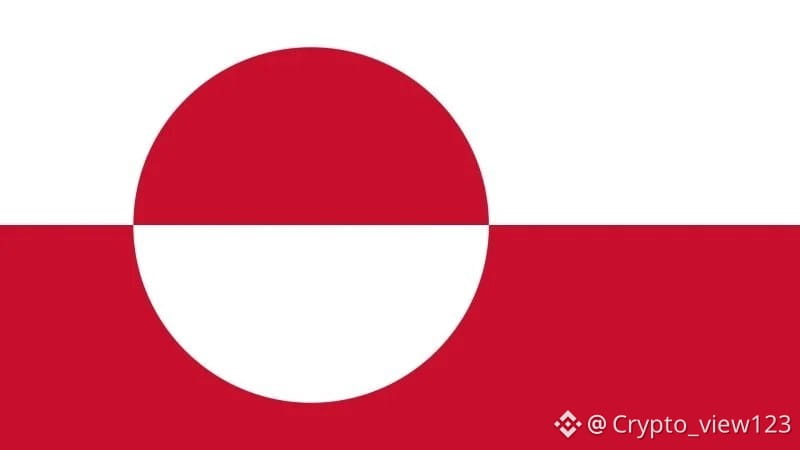
Greenland’s ownership hasn’t changed; what’s changing is who can use this territory.
The United States, Denmark, and Greenland have reached an agreement on security arrangements for Greenland, announced by the U.S. ambassador to Belgium. The agreement ends a long-running dispute over the scope of U.S. control in Greenland and the scale of investment.
According to what has been disclosed, the agreement is intended to improve the United States’ security access while maintaining Denmark’s sovereignty and Greenland’s autonomous status. It also still needs to go through legal and parliamentary approval procedures, with a formal signing expected to be completed in the next few days.
Looking at the map, this is part of the broader warming of defense in the Arctic and the North Atlantic. Greenland’s location gives it strategic weight in shipping routes and early warning—this is also why negotiations have continued without pause over the past few months.
A security agreement can change only so much. It won’t immediately become a base, nor will it immediately become a port; the real implementation depends on budgets, contractors, and several rounds of environmental assessments. The wording of the agreement separates sovereignty and access. This kind of phrasing usually means that a further set of implementation details will be negotiated gradually afterward.
The variables that come next are procedural. Parliamentary thresholds in Denmark or Greenland could slow approval. Public statements from the White House, the Danish prime minister’s office, and the Greenland government will, in the meantime, affect how the market prices the situation.
Ownership on the map is written into the treaty—using the language written into the facilities.
#格陵兰 #geopolitics
The United States, Denmark, and Greenland have reached an agreement on security arrangements for Greenland, announced by the U.S. ambassador to Belgium. The agreement ends a long-running dispute over the scope of U.S. control in Greenland and the scale of investment.
According to what has been disclosed, the agreement is intended to improve the United States’ security access while maintaining Denmark’s sovereignty and Greenland’s autonomous status. It also still needs to go through legal and parliamentary approval procedures, with a formal signing expected to be completed in the next few days.
Looking at the map, this is part of the broader warming of defense in the Arctic and the North Atlantic. Greenland’s location gives it strategic weight in shipping routes and early warning—this is also why negotiations have continued without pause over the past few months.
A security agreement can change only so much. It won’t immediately become a base, nor will it immediately become a port; the real implementation depends on budgets, contractors, and several rounds of environmental assessments. The wording of the agreement separates sovereignty and access. This kind of phrasing usually means that a further set of implementation details will be negotiated gradually afterward.
The variables that come next are procedural. Parliamentary thresholds in Denmark or Greenland could slow approval. Public statements from the White House, the Danish prime minister’s office, and the Greenland government will, in the meantime, affect how the market prices the situation.
Ownership on the map is written into the treaty—using the language written into the facilities.
#格陵兰 #geopolitics