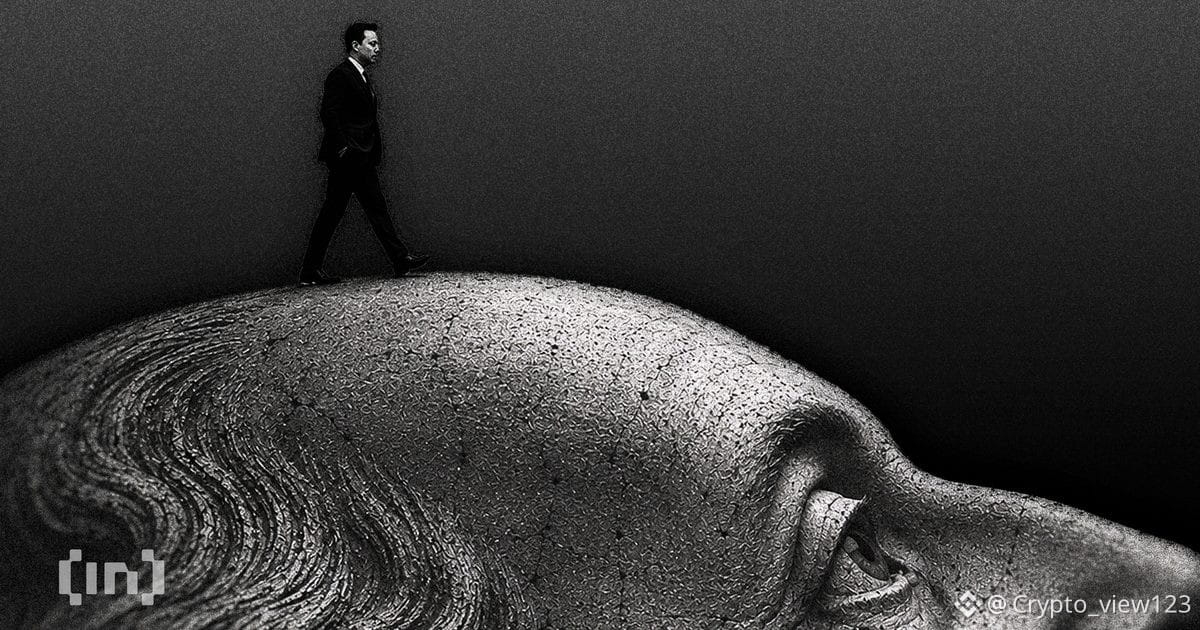
Two companies, held in the grip of the same person’s two hands—the analyst says the probability of a merger is more than 80%.
Dan Ives of Wedbush believes the chances that Tesla and SpaceX will merge within a year and a half are higher than 80%, and that the merged company’s market value could become the world’s No. 1. His remarks appeared in a debate about whether an AI bull market can continue. The debate was sparked by the fact that semiconductor stocks have pulled back about 19% from their peak, while the S&P 500 is only 2.6% away from its record.
His reasoning is that the two companies are sharing the same set of technology and data infrastructure. A merger would allow investors to bet on Tesla’s AI ambitions and SpaceX’s rocket and satellite business with a single stock.
He calls physical-world AI—namely autonomous driving and robotics—the biggest prize in the industry, and he believes demand for chips exceeds supply by roughly 13 times, and that this gap will persist for years.
He did not say how the transaction would be structured, nor did he mention when shareholders would vote. Packaging a public auto company together with an unlisted rocket company—what regulators will think, he also left up to time.
There’s another detail that’s easy to overlook: since going public in June, SpaceX’s share price has been highly volatile. As a result, the valuation stability after a merger is more worth watching than the performance of either company on its own.
The benefits of a merger can be calculated; the costs will have to be priced by regulators.
#特斯拉 #M&A
Dan Ives of Wedbush believes the chances that Tesla and SpaceX will merge within a year and a half are higher than 80%, and that the merged company’s market value could become the world’s No. 1. His remarks appeared in a debate about whether an AI bull market can continue. The debate was sparked by the fact that semiconductor stocks have pulled back about 19% from their peak, while the S&P 500 is only 2.6% away from its record.
His reasoning is that the two companies are sharing the same set of technology and data infrastructure. A merger would allow investors to bet on Tesla’s AI ambitions and SpaceX’s rocket and satellite business with a single stock.
He calls physical-world AI—namely autonomous driving and robotics—the biggest prize in the industry, and he believes demand for chips exceeds supply by roughly 13 times, and that this gap will persist for years.
He did not say how the transaction would be structured, nor did he mention when shareholders would vote. Packaging a public auto company together with an unlisted rocket company—what regulators will think, he also left up to time.
There’s another detail that’s easy to overlook: since going public in June, SpaceX’s share price has been highly volatile. As a result, the valuation stability after a merger is more worth watching than the performance of either company on its own.
The benefits of a merger can be calculated; the costs will have to be priced by regulators.
#特斯拉 #M&A