
圣克斯Lucky1688
296 Posts

圣克斯Lucky1688
适当风险与适当收益中寻找更多幸运值,最爱风险小并且含确定性的套利
Open Trade
Frequent Trader
2 Years
462 Following
25.4K+ Followers
8.9K+ Liked
Posts
Portfolio
All
Quotes
PINNED





杨乐-光明社区
·
--
How to take the road, how to earn money, who you want to become—Guangming Community’s Teacher Mingdao gives you the most standard answers, truly perfect and complete.
Which path to follow, how to earn wealth, who you want to be.
Guangming Community · Teacher Mingdao offers you the ultimate, well‑rounded answers
Which path to follow, how to earn wealth, who you want to be.
Guangming Community · Teacher Mingdao offers you the ultimate, well‑rounded answers


SabTheTrader
·
--
BullishMondays’ move is way stronger than the weekend.😂
$BTC surged all the way from around $81,000 to break through $86,000; $ETH is up about 5.6%. SOL and XRP are both up around 7%. On the U.S. stock side, $QQQB also hit a record closing high. Oil prices pulled back, and the 10Y U.S. Treasury yield slipped back below 5%—overall risk appetite is clearly back.
Next week won’t be quiet either: on Tuesday and Wednesday, several Fed officials are scheduled to speak; on Wednesday, watch the U.S. PMI. On Thursday there are initial jobless claims for the week, plus a meeting between Trump and Xi Jinping. On Friday, there are durable goods orders and the University of Michigan consumer sentiment.
If the data is strong and the Fed remains more hawkish, Treasury yields and the dollar could move higher again, which may put pressure on BTC and tech stocks. On the other hand, if the data cools off or expectations for China–U.S. trade improve, risk-asset sentiment could continue to get support.
And as usual, I’ll remind everyone once more: before and after major news breaks, try to avoid jumping in. Let the market work out its structure on its own—enter only after you can see it clearly, yeah~
#比特币突破8.5万美元
$BTC surged all the way from around $81,000 to break through $86,000; $ETH is up about 5.6%. SOL and XRP are both up around 7%. On the U.S. stock side, $QQQB also hit a record closing high. Oil prices pulled back, and the 10Y U.S. Treasury yield slipped back below 5%—overall risk appetite is clearly back.
Next week won’t be quiet either: on Tuesday and Wednesday, several Fed officials are scheduled to speak; on Wednesday, watch the U.S. PMI. On Thursday there are initial jobless claims for the week, plus a meeting between Trump and Xi Jinping. On Friday, there are durable goods orders and the University of Michigan consumer sentiment.
If the data is strong and the Fed remains more hawkish, Treasury yields and the dollar could move higher again, which may put pressure on BTC and tech stocks. On the other hand, if the data cools off or expectations for China–U.S. trade improve, risk-asset sentiment could continue to get support.
And as usual, I’ll remind everyone once more: before and after major news breaks, try to avoid jumping in. Let the market work out its structure on its own—enter only after you can see it clearly, yeah~
#比特币突破8.5万美元

SabTheTrader
·
--
BullishMondays’ move is way stronger than the weekend.😂
$BTC surged all the way from around $81,000 to break through $86,000; $ETH is up about 5.6%. SOL and XRP are both up around 7%. On the U.S. stock side, $QQQB also hit a record closing high. Oil prices pulled back, and the 10Y U.S. Treasury yield slipped back below 5%—overall risk appetite is clearly back.
Next week won’t be quiet either: on Tuesday and Wednesday, several Fed officials are scheduled to speak; on Wednesday, watch the U.S. PMI. On Thursday there are initial jobless claims for the week, plus a meeting between Trump and Xi Jinping. On Friday, there are durable goods orders and the University of Michigan consumer sentiment.
If the data is strong and the Fed remains more hawkish, Treasury yields and the dollar could move higher again, which may put pressure on BTC and tech stocks. On the other hand, if the data cools off or expectations for China–U.S. trade improve, risk-asset sentiment could continue to get support.
And as usual, I’ll remind everyone once more: before and after major news breaks, try to avoid jumping in. Let the market work out its structure on its own—enter only after you can see it clearly, yeah~
#比特币突破8.5万美元
$BTC surged all the way from around $81,000 to break through $86,000; $ETH is up about 5.6%. SOL and XRP are both up around 7%. On the U.S. stock side, $QQQB also hit a record closing high. Oil prices pulled back, and the 10Y U.S. Treasury yield slipped back below 5%—overall risk appetite is clearly back.
Next week won’t be quiet either: on Tuesday and Wednesday, several Fed officials are scheduled to speak; on Wednesday, watch the U.S. PMI. On Thursday there are initial jobless claims for the week, plus a meeting between Trump and Xi Jinping. On Friday, there are durable goods orders and the University of Michigan consumer sentiment.
If the data is strong and the Fed remains more hawkish, Treasury yields and the dollar could move higher again, which may put pressure on BTC and tech stocks. On the other hand, if the data cools off or expectations for China–U.S. trade improve, risk-asset sentiment could continue to get support.
And as usual, I’ll remind everyone once more: before and after major news breaks, try to avoid jumping in. Let the market work out its structure on its own—enter only after you can see it clearly, yeah~
#比特币突破8.5万美元


Baoluo币商资本
·
--
#Canary二次修订质押SEI现货ETF申请 #黑客利用SingularityNET漏洞增发代币
In fact, a lot of recent news is closely related to the market; it mainly depends on where the hot money goes after the rate hike.
$BTC $GOOGL.US
In fact, a lot of recent news is closely related to the market; it mainly depends on where the hot money goes after the rate hike.
$BTC $GOOGL.US


路人1688luren
·
--
Institutions can now borrow money using large pancakes (BTC) without having to sell.
Circle launched a new service today: institutions can use Bitcoin as collateral to borrow $USDC . The process isn’t complicated—first convert BTC into its own cirBTC (1:1 wrapped), then stake it as collateral. The loan goes through lending protocols like Morpho, and afterward it will be connected to Aave. Custody is handled by Circle National Trust, and the chain used is its own $ARC plus Ethereum.
My first reaction: this is basically opening another door for institutions that don’t want to sell their coins. Previously, if they needed cash, they had to sell; now they can pledge the coins and borrow instead. Pair that with today’s BTC price crossing 85,000 and everyone scrambling to buy—it’s a pretty delicate timing. #Circle推出机构比特币抵押借贷
Circle launched a new service today: institutions can use Bitcoin as collateral to borrow $USDC . The process isn’t complicated—first convert BTC into its own cirBTC (1:1 wrapped), then stake it as collateral. The loan goes through lending protocols like Morpho, and afterward it will be connected to Aave. Custody is handled by Circle National Trust, and the chain used is its own $ARC plus Ethereum.
My first reaction: this is basically opening another door for institutions that don’t want to sell their coins. Previously, if they needed cash, they had to sell; now they can pledge the coins and borrow instead. Pair that with today’s BTC price crossing 85,000 and everyone scrambling to buy—it’s a pretty delicate timing. #Circle推出机构比特币抵押借贷




火警猫1688
·
--
🔥Fire alarm cat🐱
Steady upward trend✈️Breaking through continuously🚀
🔥🔥🔥🔥🔥🔥
🧧🧧🧧🧧🧧🧧🧧🧧🧧🧧🧧
Steady upward trend✈️Breaking through continuously🚀
🔥🔥🔥🔥🔥🔥
🧧🧧🧧🧧🧧🧧🧧🧧🧧🧧🧧


金叉FORK
·
--
Elonmusk's Art-A Fork in the Road
Elon Musk's artwork: life's crossroads,
key choices in life, turning point of fate👍👍
Elon Musk's artwork: life's crossroads,
key choices in life, turning point of fate👍👍


分析师尤斯1688
·
--
🎁 Claim your Gift 🎁
🧧🧧🧧🧧🧧
🧧🧧🧧🧧🧧
🧧🧧🧧🧧🧧
🧧🧧🧧🧧🧧

静静Amily
·
--
Four months of accumulation, and one moment of bloom.
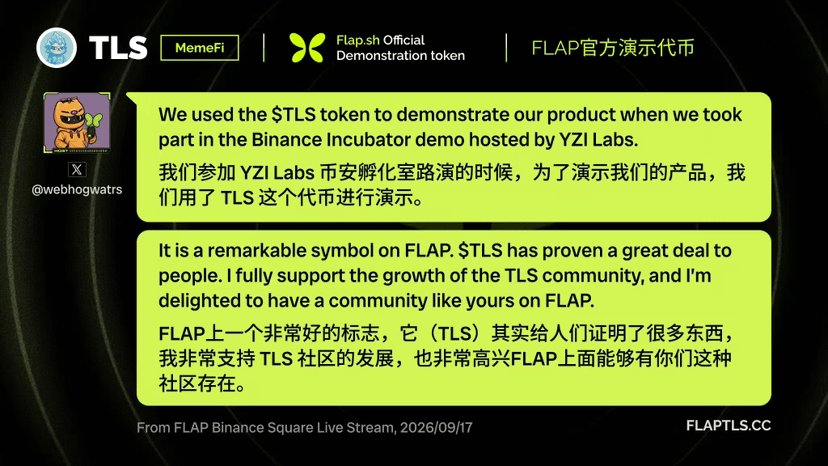
$TLS has officially been announced as the FLAP official test token. This is the best reward for all the loyal commitments in the past, and also a brand-new beginning as we build on the BNB Chain ecosystem and move full steam ahead into the #MemeFi space.
As a newly appointed official test token for the ecosystem, TLS aligns with the proven market-cap framework of TST and TUT. Leveraging FLAP’s currently hottest Meme-launch ecosystem advantage, it offers exceptional growth tailwinds. Unlike the many speculative tokens in the market, TLS stands firm with real community-building efforts. With official endorsement reinforcing its value foundation, it doesn’t rely on empty hype.
No short-term hype-driven trading—only long-term, deterministic value. In the future, $TLS will surely continue the market-cap legend of BNBChain’s official test token. For every builder who has held the line, it will deliver a perfect, satisfying answer.
$TLS has officially been announced as the FLAP official test token. This is the best reward for all the loyal commitments in the past, and also a brand-new beginning as we build on the BNB Chain ecosystem and move full steam ahead into the #MemeFi space.
As a newly appointed official test token for the ecosystem, TLS aligns with the proven market-cap framework of TST and TUT. Leveraging FLAP’s currently hottest Meme-launch ecosystem advantage, it offers exceptional growth tailwinds. Unlike the many speculative tokens in the market, TLS stands firm with real community-building efforts. With official endorsement reinforcing its value foundation, it doesn’t rely on empty hype.
No short-term hype-driven trading—only long-term, deterministic value. In the future, $TLS will surely continue the market-cap legend of BNBChain’s official test token. For every builder who has held the line, it will deliver a perfect, satisfying answer.
灼见
·
--
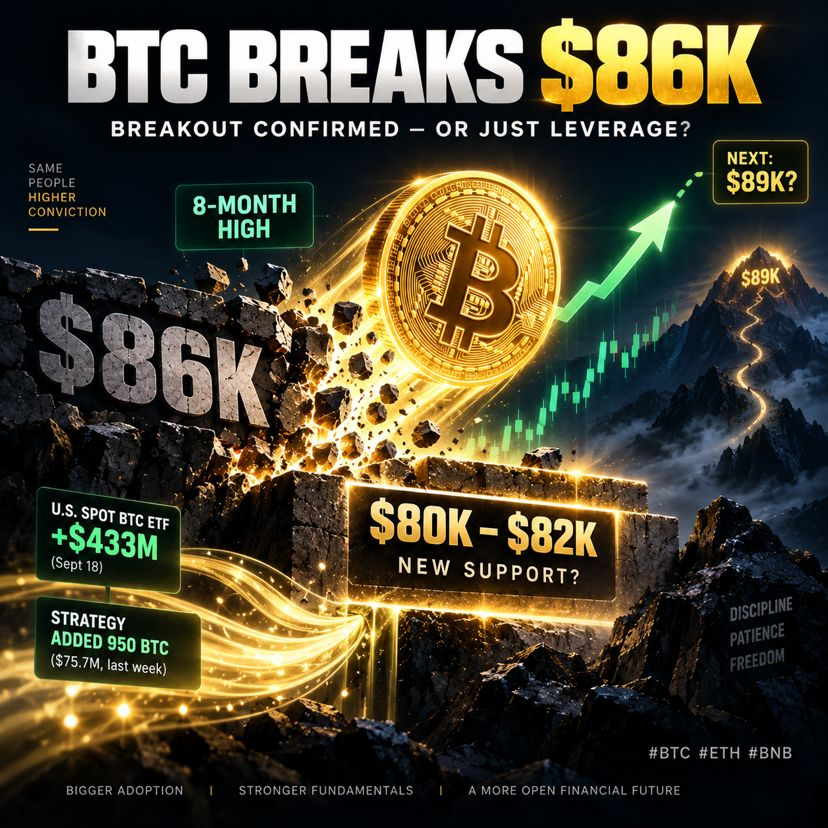
🚨 BTC breaks through $86K.
Highest in 8 months.
But the most important question now isn’t:
“How much more can BTC rise?”
Instead, it’s:
How real is this breakout?
Over the past few days, BTC has repeatedly cleared:
₿ $80K
₿ $82K
₿ $85K
₿ $86K
At the same time:
💰 The latest trading day net inflow into US spot BTC ETFs is about $433M
🏦 Strategy bought another 950 BTC last week
📈 BTC has reclaimed key long-term moving averages
🔥 Short squeeze pressure is accelerating the breakout
So the real question is now:
Is $80K–$82K NOW SUPPORT?
Because in a truly strong market,
it’s not about prices continuing to break resistance.
It’s about:
after the breakout, key levels are no longer given back to the shorts.
If $80K–$82K truly completes the resistance→support flip,
the next bigger battle in the market may be near $89K.
But if BTC quickly falls back below $82K,
then the leverage and short-squeeze components in this rally may be larger than we think.
Right now, I’m watching:
📍 $80K–$82K support
🎯 Resistance near $89K
💰 ETF flows for the next trading day
🔥 Whether leverage is quickly building back up
👇 What do you think?
Real breakout 🟢
or
a leverage-driven move 🔴?
#BTC #ETH #BNB
Highest in 8 months.
But the most important question now isn’t:
“How much more can BTC rise?”
Instead, it’s:
How real is this breakout?
Over the past few days, BTC has repeatedly cleared:
₿ $80K
₿ $82K
₿ $85K
₿ $86K
At the same time:
💰 The latest trading day net inflow into US spot BTC ETFs is about $433M
🏦 Strategy bought another 950 BTC last week
📈 BTC has reclaimed key long-term moving averages
🔥 Short squeeze pressure is accelerating the breakout
So the real question is now:
Is $80K–$82K NOW SUPPORT?
Because in a truly strong market,
it’s not about prices continuing to break resistance.
It’s about:
after the breakout, key levels are no longer given back to the shorts.
If $80K–$82K truly completes the resistance→support flip,
the next bigger battle in the market may be near $89K.
But if BTC quickly falls back below $82K,
then the leverage and short-squeeze components in this rally may be larger than we think.
Right now, I’m watching:
📍 $80K–$82K support
🎯 Resistance near $89K
💰 ETF flows for the next trading day
🔥 Whether leverage is quickly building back up
👇 What do you think?
Real breakout 🟢
or
a leverage-driven move 🔴?
#BTC #ETH #BNB

辛迪cindy
·
--
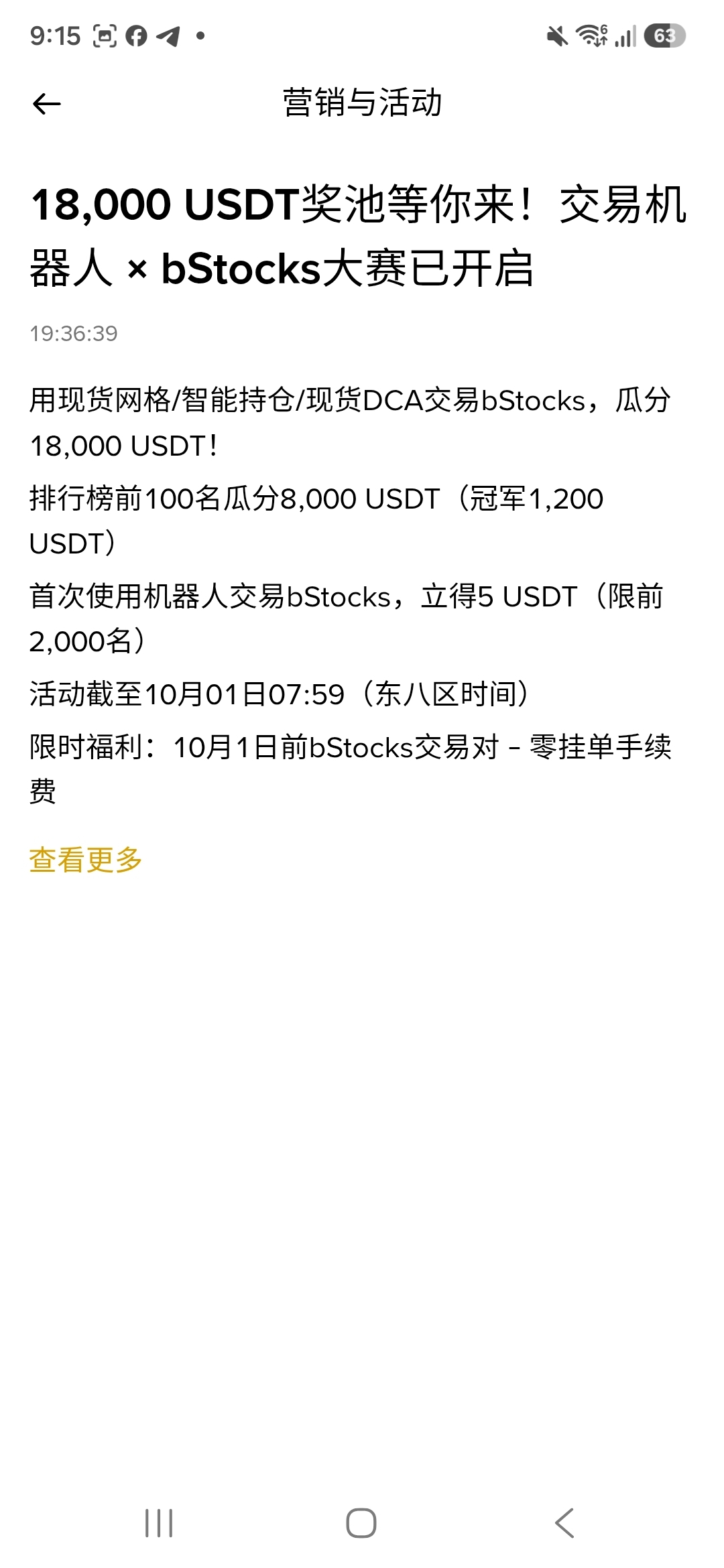
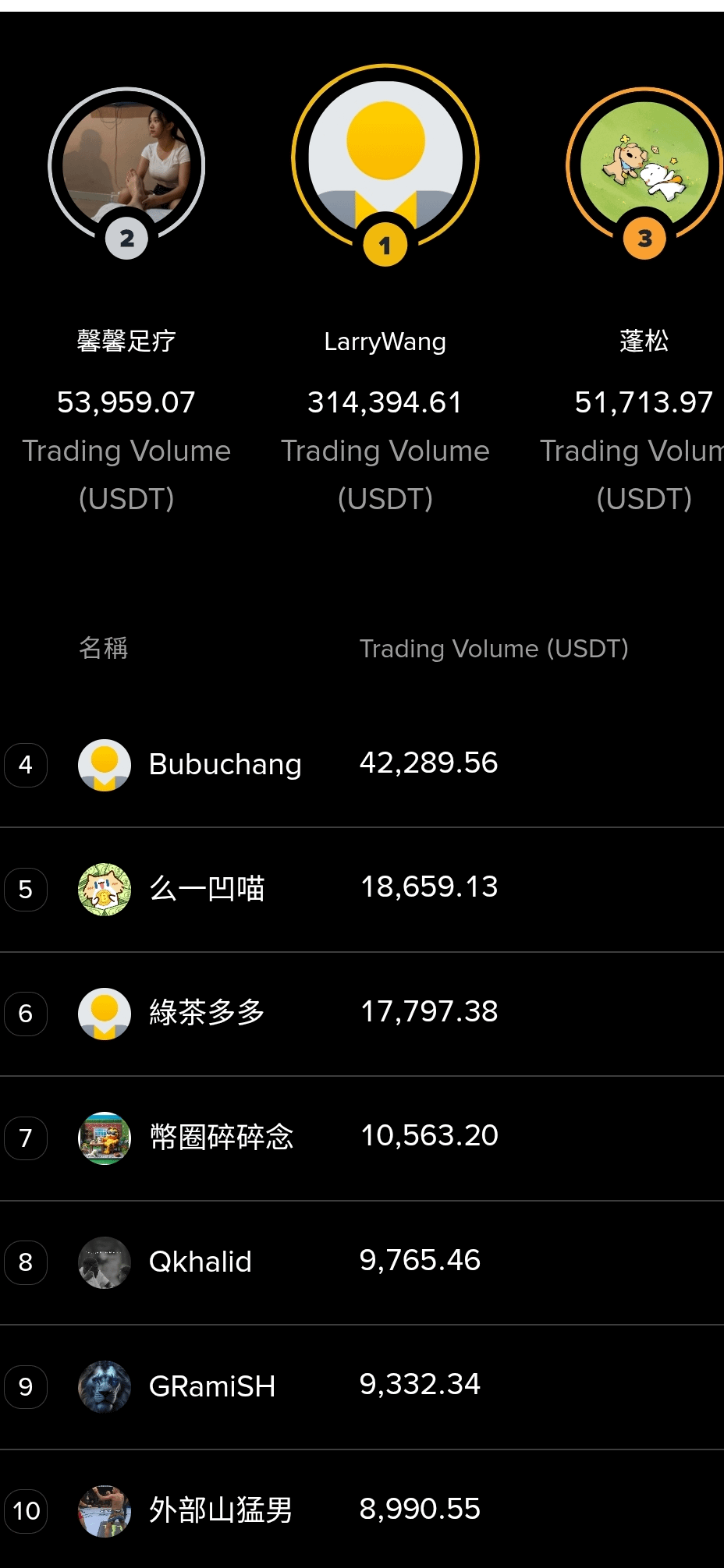
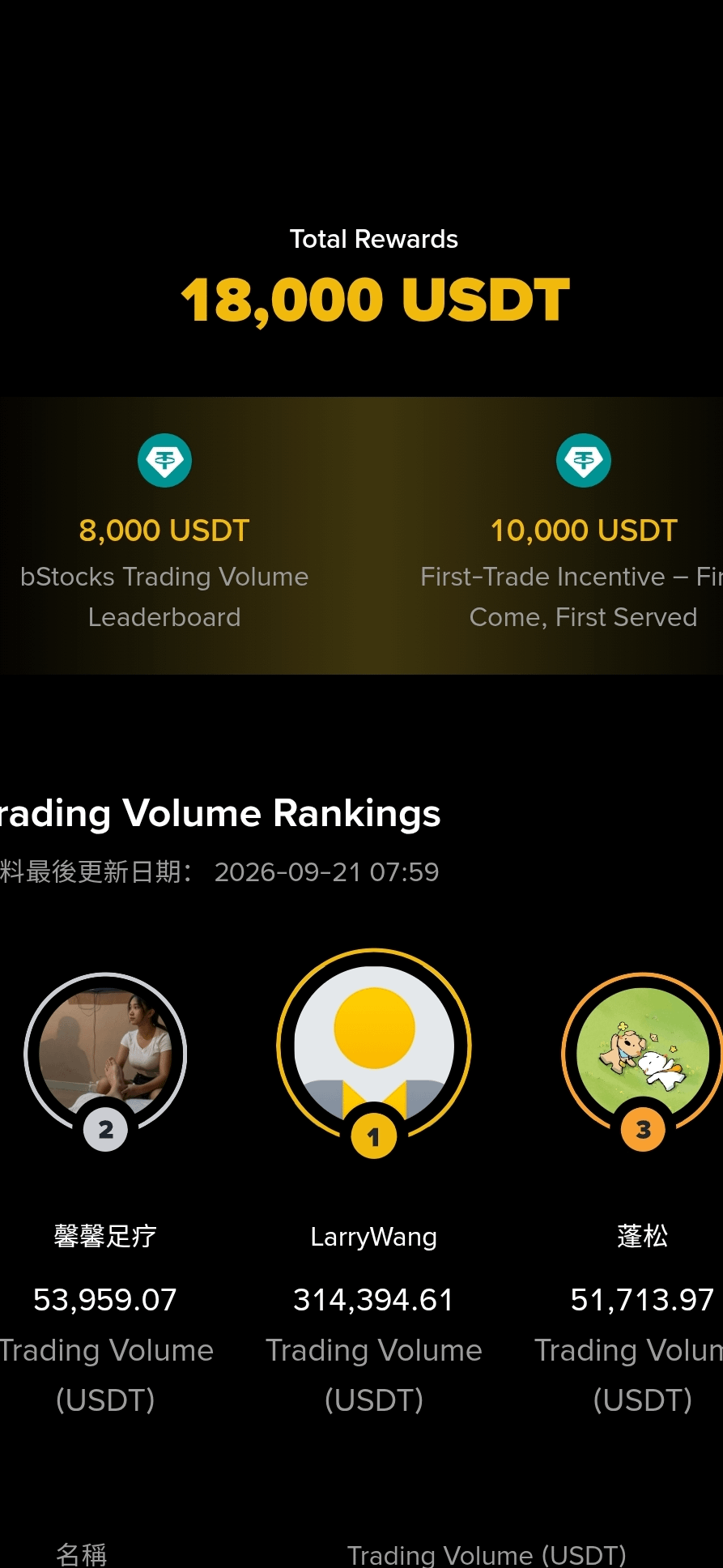
This event is really great.$BTC


慢就是快Mike
·
--
$BTC Don’t get too worked up. Every country is raising interest rates. South Korea may raise further, and the U.S. could also raise again by year-end. This rally could be the last rebound after global central banks tighten policy—big sell-off isn’t far off!
Deutsche Bank warned that the eventual interest rate level could exceed expectations. Global central banks have entered a synchronized tightening phase. According to Deutsche Bank strategist Henry Allen, over the past two weeks the Fed, the ECB, and the Bank of Japan have all raised rates, marking the start of a global, synchronized monetary tightening cycle. However, the market may be underestimating how high rates will ultimately go and how long high rates will last. Deutsche Bank listed four factors: Brent crude is around $100 per barrel, suggesting commodity price pressure remains; after being hit earlier, central banks have become more sensitive to inflation; the S&P 500 is near its historical high and credit spreads have tightened, indicating that financial conditions are still relatively loose; and a historical precedent— in 2022, investors initially expected the Fed to raise rates by 200 basis points, but the actual increase exceeded 400 basis points. The bank noted that a more aggressive rate-hiking cycle does not necessarily mean a stock-market crash. As long as economic growth stays strong, corporate earnings can offset valuation pressure.
Deutsche Bank warned that the eventual interest rate level could exceed expectations. Global central banks have entered a synchronized tightening phase. According to Deutsche Bank strategist Henry Allen, over the past two weeks the Fed, the ECB, and the Bank of Japan have all raised rates, marking the start of a global, synchronized monetary tightening cycle. However, the market may be underestimating how high rates will ultimately go and how long high rates will last. Deutsche Bank listed four factors: Brent crude is around $100 per barrel, suggesting commodity price pressure remains; after being hit earlier, central banks have become more sensitive to inflation; the S&P 500 is near its historical high and credit spreads have tightened, indicating that financial conditions are still relatively loose; and a historical precedent— in 2022, investors initially expected the Fed to raise rates by 200 basis points, but the actual increase exceeded 400 basis points. The bank noted that a more aggressive rate-hiking cycle does not necessarily mean a stock-market crash. As long as economic growth stays strong, corporate earnings can offset valuation pressure.


仙子131419
·
--
🔥🔥🔥🔥🔥🔥 The fire-alarm cat’s train has departed 👉👉👉 for you and me who are on the road to financial freedom 👌👌👌 Let’s welcome everyone who can board this train to financial freedom and keep it up 💪💪💪💪💪💪



Cryptology_7
·
--
𝑪 𝑹 𝒀 𝑷 𝑻 𝑶 𝑳 𝑶 𝑮 𝒀 💙
Every candle tells a story. Every failure teaches us a lesson. Every comeback strengthens our determination.💯📜
$ONE
#BinanceSquareFamily #Cryptology_7
Every candle tells a story. Every failure teaches us a lesson. Every comeback strengthens our determination.💯📜
$ONE
#BinanceSquareFamily #Cryptology_7

Muzamil Abbas⁷⁵ 穆扎米尔_阿巴斯
·
--
Bullish$SOL
SOL GIVEAWAY IS LIVE 🎁
Today I’m giving away $50 in SOL to one lucky member of the community! 💜
Want to join? It’s super simple 👇
✅ Follow me: @muzamil_abbas
❤️ Like this post
🔁 Repost this post
💬 Comment “1” below
🎁 That’s it — you’re in!
Let’s bring some SOL energy to the timeline! ⚡️🌎
Good luck everyone! 🍀
Who’s taking the $50 SOL? 👀🔥
#MuzammilAbbas⁷⁵穆扎米拉巴斯 #SolanaStrong
$BNB
$TAO
SOL GIVEAWAY IS LIVE 🎁
Today I’m giving away $50 in SOL to one lucky member of the community! 💜
Want to join? It’s super simple 👇
✅ Follow me: @muzamil_abbas
❤️ Like this post
🔁 Repost this post
💬 Comment “1” below
🎁 That’s it — you’re in!
Let’s bring some SOL energy to the timeline! ⚡️🌎
Good luck everyone! 🍀
Who’s taking the $50 SOL? 👀🔥
#MuzammilAbbas⁷⁵穆扎米拉巴斯 #SolanaStrong
$BNB
$TAO

东吉大腿
·
--
@CZ replied on X with (cat)
#火警猫 #Firecat is also a cat; let everyone build it up
@火警猫1688 @阿婧1688
Everyone enter the @火警猫1688 live room—there are daily air drops when you have time
#火警猫 #Firecat is also a cat; let everyone build it up
@火警猫1688 @阿婧1688
Everyone enter the @火警猫1688 live room—there are daily air drops when you have time




紫气东来M天官赐福
·
--
New mark, quick look! Fire alarm cat, claim your red envelope!


@阿婧1688
is speaking[LIVE] 🎙️ How I Feel as Cryptocurrency Prices Rise!
1.3k listens
Log in to explore more content