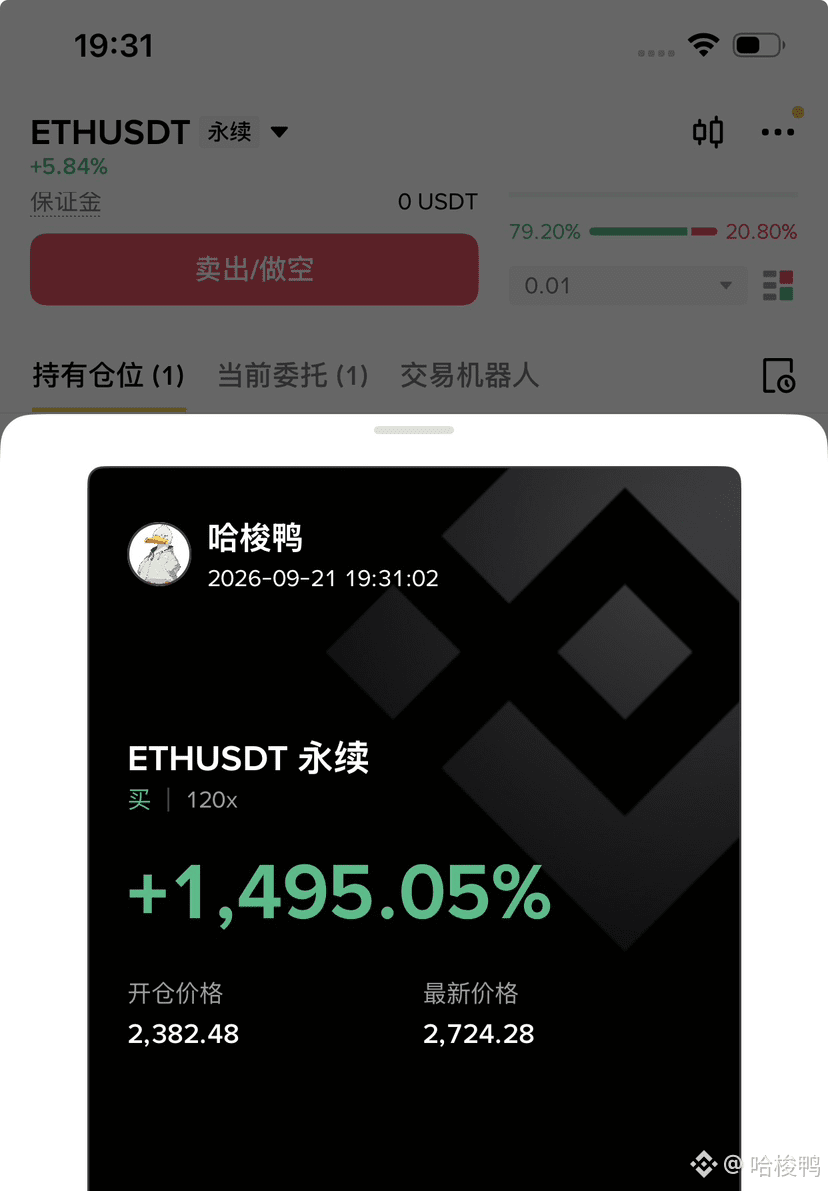
This wave of duo-xiao-ha almost took more than two weeks [A sigh], and the process was both agonizing and full of close calls. Fortunately, the final result was very ideal, which also confirmed Xiao Ha’s judgment—the trend was not misread.
As for the little episode along the way: on the 10th, he entered with 77,000 for the “bingzi” and 2420 for Yitai. The market later surged again, but Xiao Ha didn’t choose to go flat or reduce. Afterward, due to the bill and the rate-hike news, the market pulled back. The “bingzi” bottomed out around 75,000, and Yitai fell to around the 2356 level. Luckily, the key support wasn’t broken. So Xiao Ha added to his “bingzi” position twice, and added to Yitai once. In the end, the average price was 75,600 for “bingzi” and 2385 for Yitai. This whole strategy was done openly.
Sure, entry points matter—but averaging down (supplementing the position) is even more particular about conditions. Only when key support hasn’t been lost and the big-picture trend hasn’t changed, then averaging down is justified. Above all, don’t blindly average down. If your original entry points are already not ideal and you still average down blindly, plus if your mindset isn’t steady and you can’t hold, all that will only expand your losses. Every move like this will end up not worth the gain.
After the rate hike was actually implemented, the market held the key support area and stabilized. Bulls then began to counterattack. Xiao Ha afterwards clearly expected the “bingzi” to push toward 83,000. In fact, even before the 10th, I predicted that the “bingzi” would go to 83,000. That’s why during the earlier surge, Xiao Ha didn’t choose to reduce positions and exit. And when the market continued to pull back afterward, he didn’t go flat either—he kept adding to his position. That’s how he controlled the trend and showed confidence.
As for the little episode along the way: on the 10th, he entered with 77,000 for the “bingzi” and 2420 for Yitai. The market later surged again, but Xiao Ha didn’t choose to go flat or reduce. Afterward, due to the bill and the rate-hike news, the market pulled back. The “bingzi” bottomed out around 75,000, and Yitai fell to around the 2356 level. Luckily, the key support wasn’t broken. So Xiao Ha added to his “bingzi” position twice, and added to Yitai once. In the end, the average price was 75,600 for “bingzi” and 2385 for Yitai. This whole strategy was done openly.
Sure, entry points matter—but averaging down (supplementing the position) is even more particular about conditions. Only when key support hasn’t been lost and the big-picture trend hasn’t changed, then averaging down is justified. Above all, don’t blindly average down. If your original entry points are already not ideal and you still average down blindly, plus if your mindset isn’t steady and you can’t hold, all that will only expand your losses. Every move like this will end up not worth the gain.
After the rate hike was actually implemented, the market held the key support area and stabilized. Bulls then began to counterattack. Xiao Ha afterwards clearly expected the “bingzi” to push toward 83,000. In fact, even before the 10th, I predicted that the “bingzi” would go to 83,000. That’s why during the earlier surge, Xiao Ha didn’t choose to reduce positions and exit. And when the market continued to pull back afterward, he didn’t go flat either—he kept adding to his position. That’s how he controlled the trend and showed confidence.