

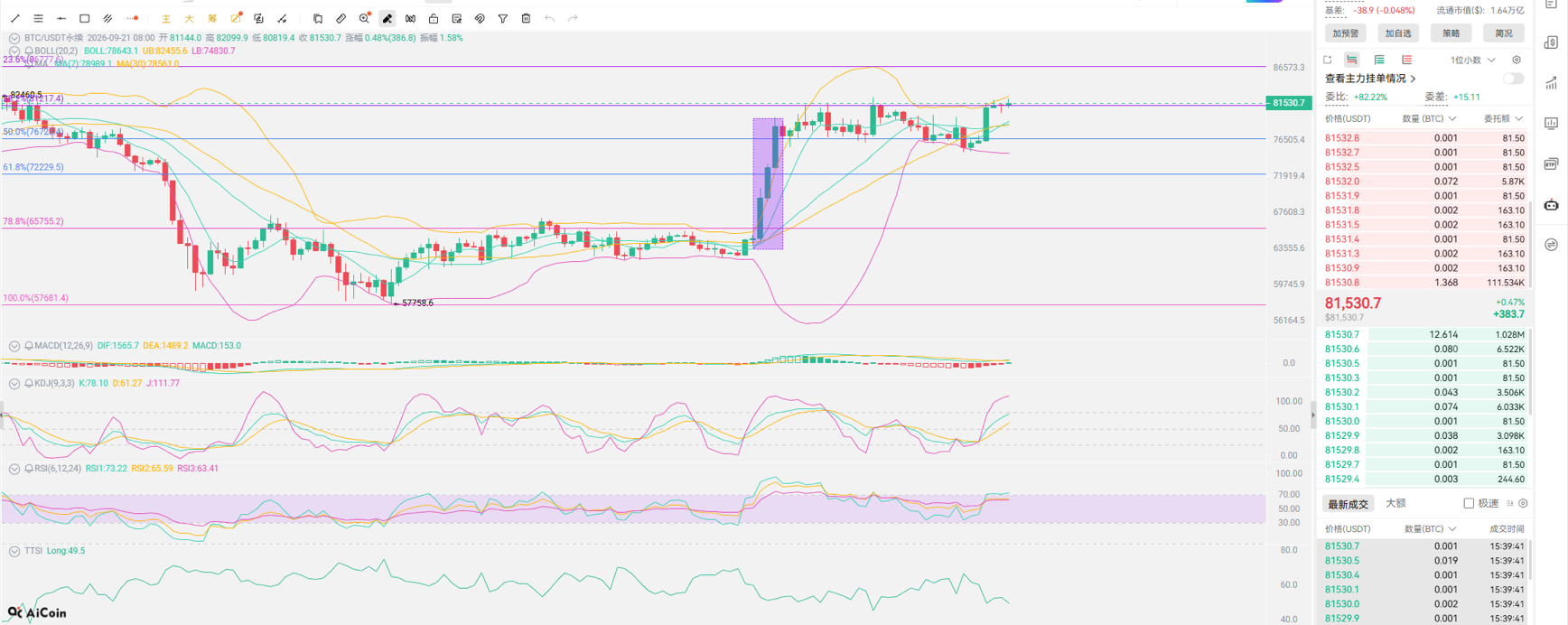

About the crypto market and current trends: there has been enough coverage recently. We need to wait for the outcome of the talks before we can continue with our judgment and direction. Today I’ll talk briefly about AI and today’s tech companies, and share my own views—after all, Lao Cui is not a professional. Lao Cui’s investment approach is very clear and rather rigid. In essence, AI and applications are an extension of programs, still based on how the internet operates. The application of programs always prioritizes stability. Ever since von Neumann established the stored-program computer architecture based on binary, Lao Cui believes that both computer program storage and the upper limits of computation are visible. At bottom, it’s still computation and judgment between 0 and 1. In simple terms, all programs are based on computing between 0 and 1; the only difference is the format in which the results are transformed. The language everyone inputs is, in the computer’s eyes, simply code discrimination between 0 and 1. It doesn’t actually “recognize” what those words and instructions behind it mean?
Then the disadvantages of this kind of architecture are extremely obvious. In its perspective, it only expresses forms of right and wrong, and it doesn’t have independent thinking. This is a limitation of the Von Neumann architecture. For example, the autonomous driving we see today, the Q&A format of Doubao, and even factory automation equipment, including cars with automatic transmissions. The more complex the operation, the more the computing capability is highlighted—and the more content it has to compute, the easier it is to make mistakes. Take autonomous driving as an example: why do we currently only have “intelligent driving,” but cannot achieve fully autonomous driving at the L3 level? The core is complex roads; there are too few learning cases. It can only learn from massive numbers of cases to learn autonomous driving. On an unfamiliar road, it’s most likely to run into problems. The core issue is what we mentioned: it only knows how to judge, not how to think. Ideology can only recognize instructions; it can’t provide solutions. Of course, massive learning and training will make it improve, but you need to make this clear: it can only recognize instructions—it doesn’t actually possess consciousness on its own.
For AI applications that ordinary people in China can understand, it basically comes down to Doubao. In Lao Cui’s experience, Doubao can only be considered an excellent browser. It can quickly help you search for the Chinese content you want, but whether it’s correct is something you need to judge yourself. Actually, the same is true overseas. Lao Cui has also tried some content, and it has been a long road to truly go hands-off,任重而道远. For some applications, it can give you the current mainstream architecture and direction. A more troublesome part is that searching and verifying is extremely draining psychologically. Lao Cui has even thought about training an AI software that connects closely to Lao Cui’s way of thinking—spending enormous tokens, yet it still behaved like a dumb child. This is also the result of the nearly half-year disappearance of Lao Cui this year. In fact, the earlier users get exposed to the crypto world, the more they can accept these new things. Lao Cui is someone who is extremely willing to try. The facts prove that this path currently doesn’t work for AI.
Lao Cui has also compared a great many AI software products, and the differences between them only exist at the level of details. Still, let’s use a simple example: if AI is asked to judge your emotions, basic AI might only look at the corners of your mouth—if they turn up, it will give you a happy emotion. But a slightly better AI software will recognize your heart rate, check your overall facial expressions, and retrieve your blood oxygen level to provide an answer. At its core, it’s still only detailed-level recognition and doesn’t go beyond the category of independent thinking. Lao Cui isn’t completely denying it; he just wants to tell everyone that you need to learn how to judge marketing tactics versus real application capability. What top people say most of the time needs to be paired with the release of software—for example, what Musk said: “AI already has the ability to think independently, but it’s too dangerous.” The concept of AI harming humans is still extremely far away. At the stage we’re currently in, it’s basically massive computations filling in AI’s underlying architecture—so it can only reach a level where it thinks like a normal person, which is the simulation stage.
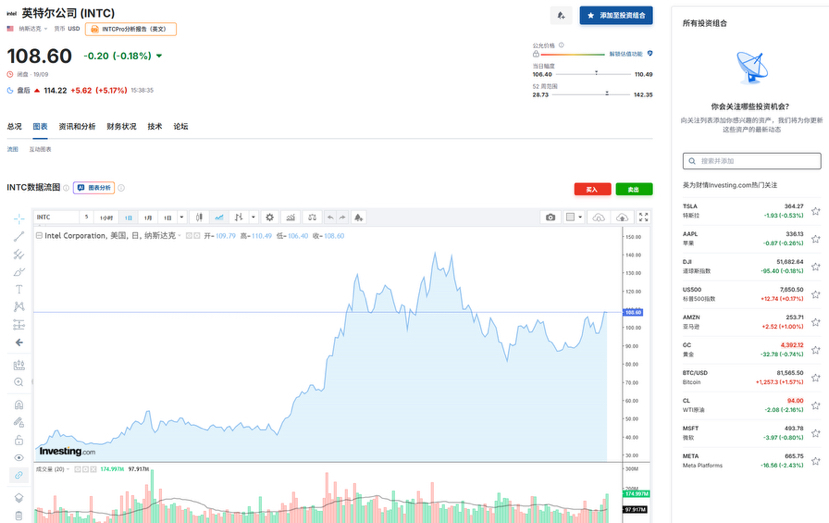
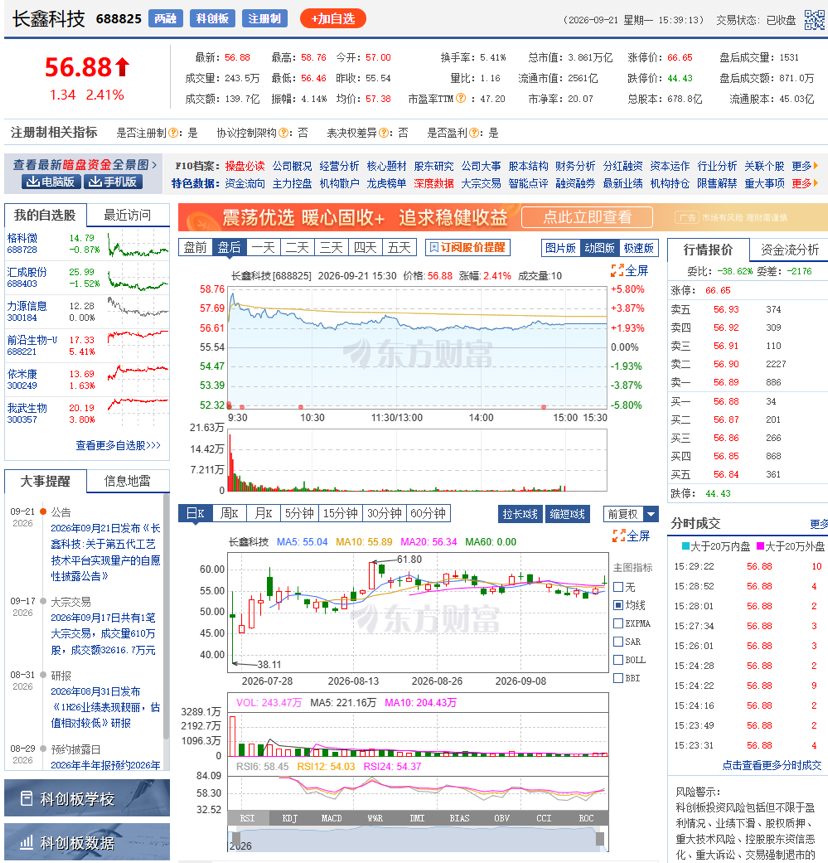
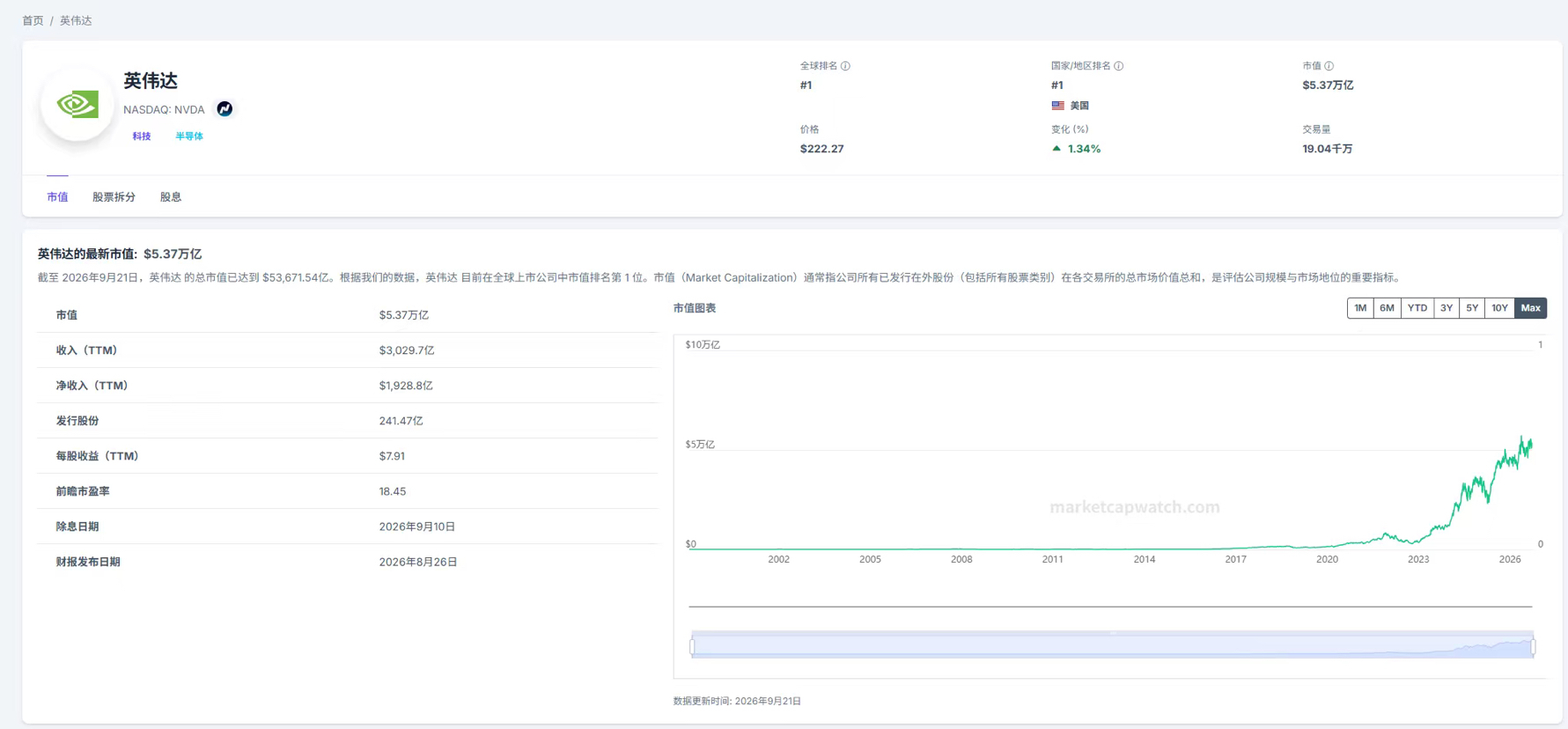
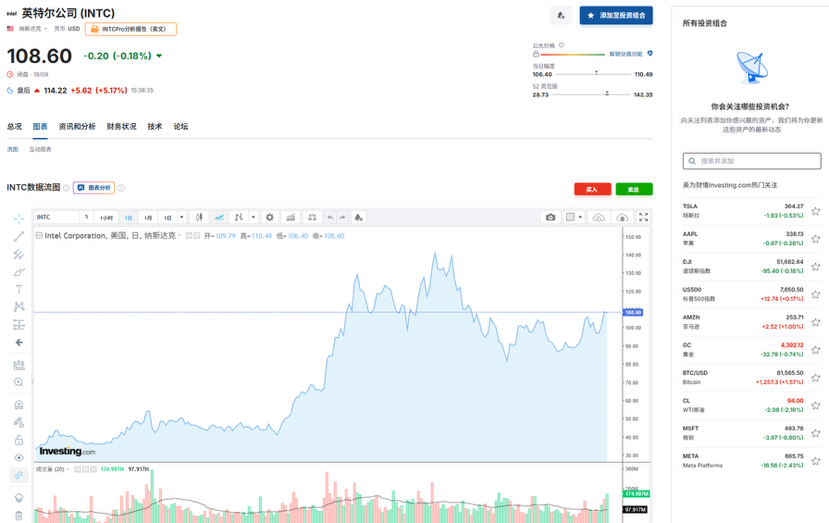
Perhaps at this point, some friends will object to Lao Cui—doesn’t AI deceive people? Doesn’t AI mislead users? Even some users in the mathematics community talk about AI having conquered certain mathematical conjectures. You also need to know the logic behind it. That logic is also provided by humans behind the scenes—people give it ideas and tell it what you’re thinking is wrong, and you need to do it this way (the way you think). Only then will it give you the answer. In essence, the answer it gives you is the one you want to get—it doesn’t know it’s deceiving you. Let’s stop the logic here. The things you need to understand by this point are already enough for everyone to imagine the future, and even invest. Coming back to the current AI market: you should already be very clear on this—if AI wants more complex computing, it must have more computing power. Therefore, the value of computing CPUs and GPUs rises accordingly. The storage sector is the same: it needs faster read capability and larger storage space, so storage hard drives become more valuable too. Back to the investment market—corresponding companies are Intel, Nvidia, SanDisk, Micron (MT/海力士/Hynix), and in China, Yangtze Memory (長江存储) and ChangXin Memory (長鑫存储).
The core that all operations depend on is the application of basic physics: power and products supporting power-related needs. This is what Sun Yuzhen mentioned in the past couple of years: copper, transformers, and clean power energy. So it becomes a domestic advantage—everyone now understands why China is vigorously developing the power sector. Yet it still forms a two-tiered, polarized pattern. The advantage of the old U.S. is R&D; our advantage is basic supporting infrastructure—“use it as-is.” It’s precisely because there are more shortcomings that the space to grow is enormous. Real-world examples: automatic transmission cars replace manual transmission models; electric vehicles are gradually replacing the position of gasoline cars. This is also the capability of AI’s self-computing. Maybe many friends want to hear Lao Cui talk about the AI bubble—whether it’s still suitable to invest in. Frankly speaking, Lao Cui doesn’t know either. In the past couple of years, Lao Cui’s articles reminded everyone to consider pairing related enterprise stocks—there were simply too few people daring to get involved.
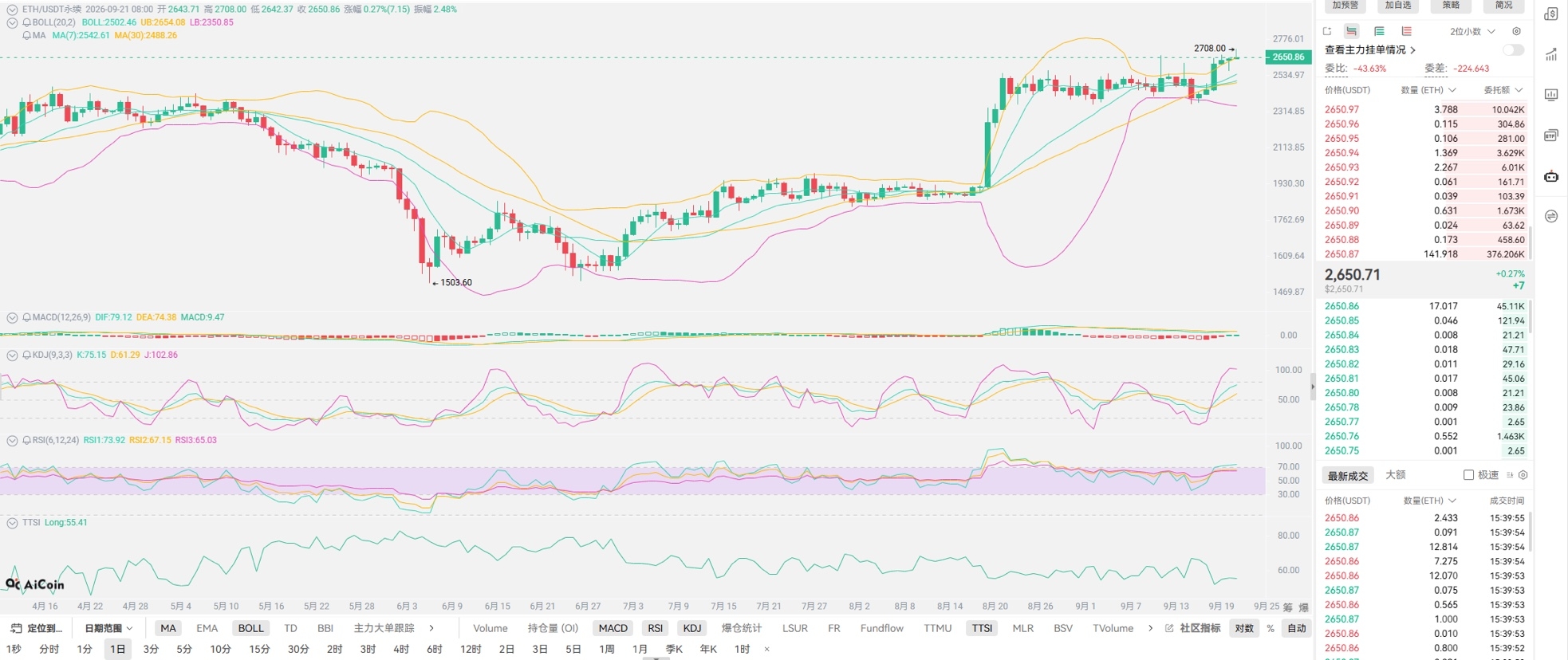
Including Lao Cui himself—after this round of contact—the AI-tech-related industries, at the current stage, do have a suspicion that the hype level is too high. As for future direction: it will definitely be related to AI. One thing Lao Cui can think of is that AI will indeed replace most jobs. Especially in the medical field—decision-making related even to basic component experiments in materials science—its computing and storage experience is so strong that it can fully replace humans. But if you ask whether it can completely replace humans, Lao Cui thinks it’s still very hard to achieve right now. Even if they already have self-training capabilities, their shortcomings are still too obvious. The direction isn’t fundamentally wrong, but you need to understand why the old U.S. is betting on this industry: their labor costs are too high. So one role of replacing human labor is—automated factories? automated enterprises? automated services? That’s what they want to achieve, which is why they put so much effort into it.
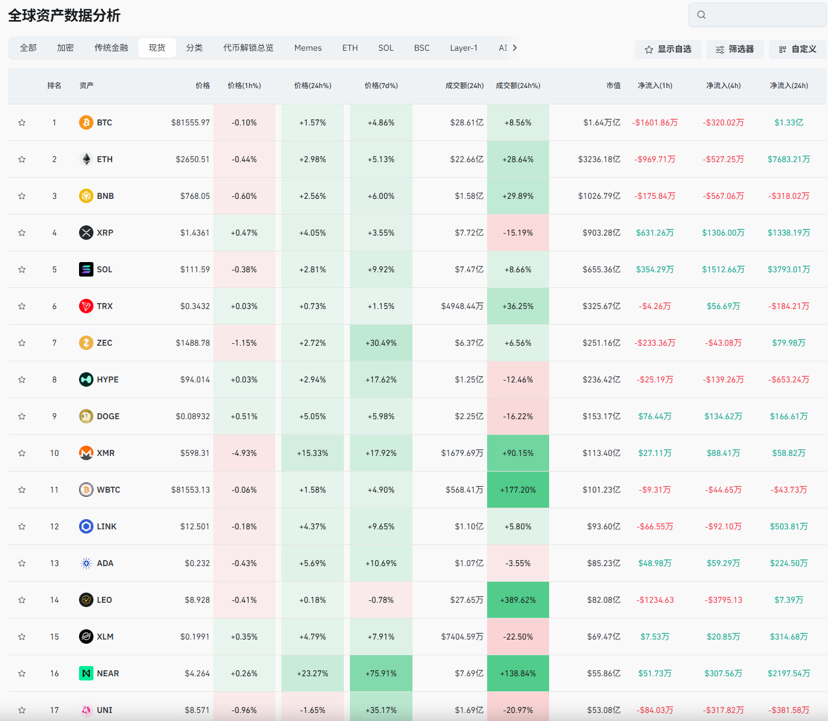
Lao Cui concludes: the way the article is presented is only Lao Cui’s personal understanding. If there are practitioners in this industry among the fans, and there are parts Lao Cui doesn’t understand well, they can point them out directly, and Lao Cui can also learn from it. As for whether this industry is still worth investing in—then we need to go back to what was mentioned in yesterday’s article. Never short. If you short, you must think clearly: who exactly are your counterparties? If you want to invest, it will definitely mainly be top companies—not companies that can surpass Intel just by going public. If everyone wants to get involved in this industry, be cautious. I’ll only remind you of one thing: in the AI industry, R&D capability and thinking are extremely important. Breakthroughs from top companies can drive the whole industry forward—there’s no doubt about that. For users who want to get involved domestically, try to find supporting enterprises related to the supply chain, and don’t look for pure R&D companies. At the same time, AI and the crypto world also have some form of competition on certain levels. For instance, when computing power breakthroughs increase the probability of calculating Bitcoin, and when memory and GPUs rise, miners’ costs increase—feeding back into the crypto world means the cost per produced coin will correspondingly increase. Remember: Bitcoin, Ethereum, and SOL have different computation requirements. Ethereum and SOL don’t need computation to get rewards; only Bitcoin’s costs are increasing. For investment in the AI field, if you’re interested, you can chat with Lao Cui—we won’t elaborate here. As for problems in the crypto world, you can also ask Lao Cui directly.