Is the big pie finally stalling? The second pie takes over—this round of capital rotation just started
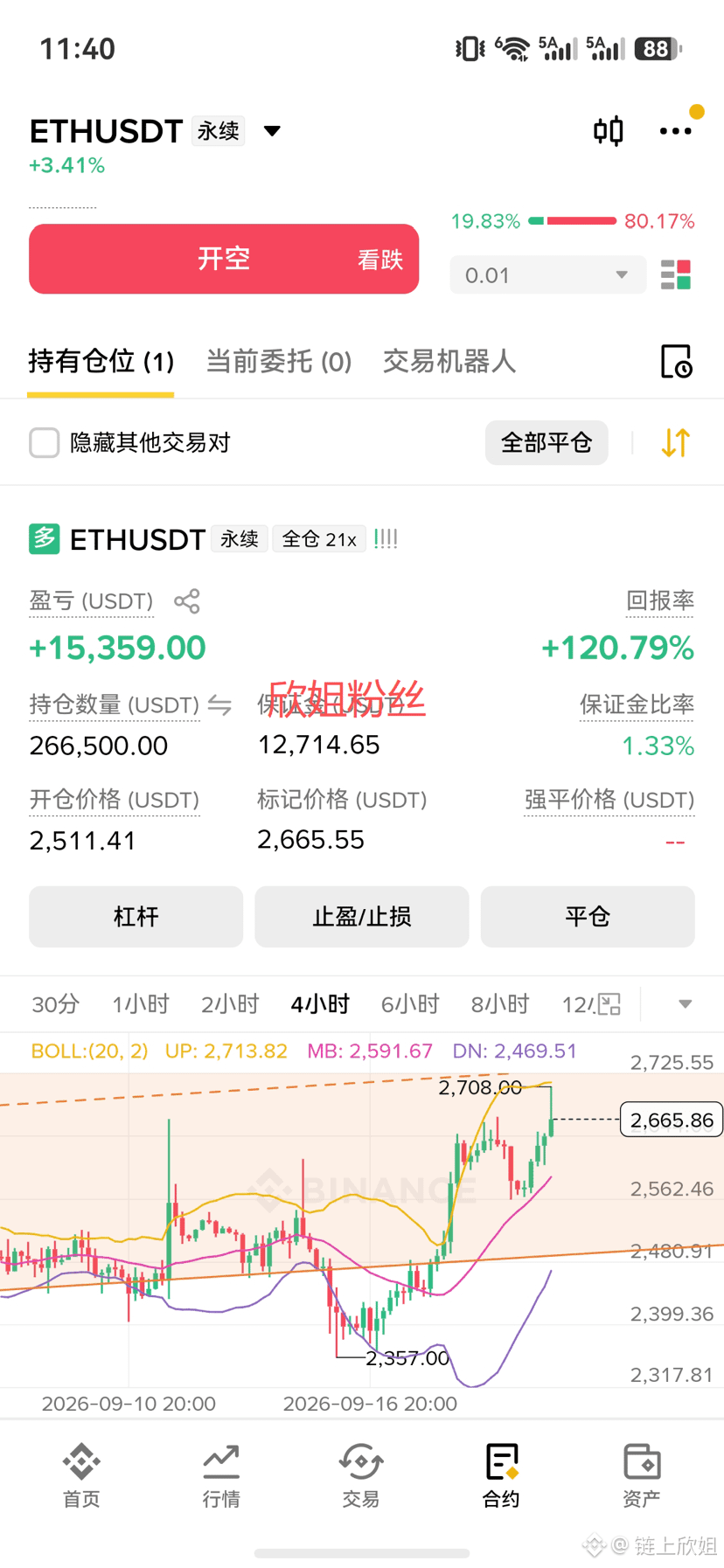
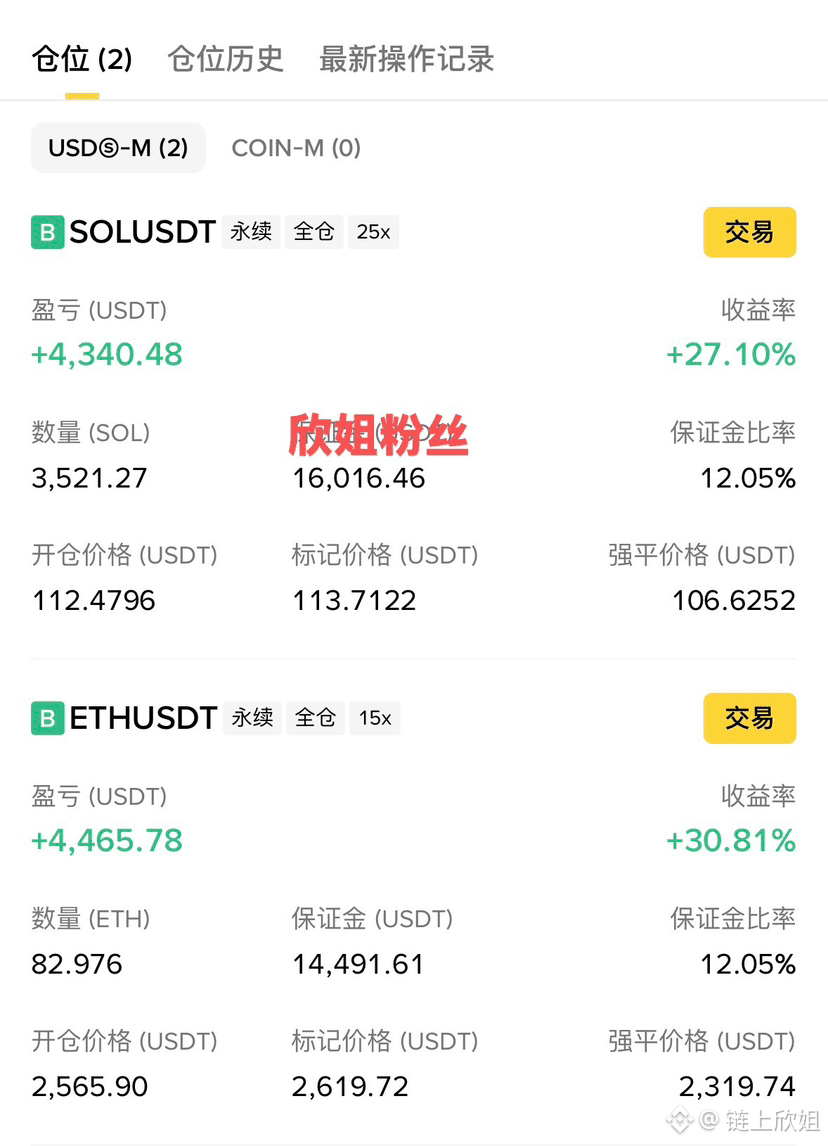
Look at the market over the past couple of days: the big pie has been grinding around 81,388, while the second pie has already surged to 2,676, up 2.47%. Even ZEC blasted up 5.88%. The big pie’s market cap share is declining, and you can clearly see capital cutting over to the second pie and altcoins.
Why? BlackRock ETF head Jay Jacobs laid out the logic on a podcast. First, Bitcoin’s volatility has dropped from 80 to 35–40. With the ETF and options markets making the market thicker, the era of blindly hoarding coins and getting rich overnight has ended. Second, big players aren’t buying ETFs just for custody safety—they’re buying for financialization: using BTC as collateral to borrow money to buy a house or a car, which is real, hard demand. After institutions step in, the big pie gets locked up by long-term buyers, so it naturally has less elasticity than the second pie, which offers staking yield and an ecosystem narrative.
My take: this isn’t that the second pie is set to replace the big pie—it’s that capital is making choices during a tightening cycle. The second pie and ZEC have narratives, ecosystems, and genuinely real on-chain yield; the big pie is more like “digital gold”—steady, but slow.
Strategy: Watch the big pie around 80,000 for support; the second pie around 2,540. ZEC has already run too hard—wait for a pullback before entering. As for whether the alt season is truly here, the key is whether ETF-related capital can keep flowing into the second pie.
If you’re feeling lost about trading, if you want to get back to breakeven, if you’re looking to turn it into a multiple—stay close to XinJie for an early layout.
Look at the market over the past couple of days: the big pie has been grinding around 81,388, while the second pie has already surged to 2,676, up 2.47%. Even ZEC blasted up 5.88%. The big pie’s market cap share is declining, and you can clearly see capital cutting over to the second pie and altcoins.
Why? BlackRock ETF head Jay Jacobs laid out the logic on a podcast. First, Bitcoin’s volatility has dropped from 80 to 35–40. With the ETF and options markets making the market thicker, the era of blindly hoarding coins and getting rich overnight has ended. Second, big players aren’t buying ETFs just for custody safety—they’re buying for financialization: using BTC as collateral to borrow money to buy a house or a car, which is real, hard demand. After institutions step in, the big pie gets locked up by long-term buyers, so it naturally has less elasticity than the second pie, which offers staking yield and an ecosystem narrative.
My take: this isn’t that the second pie is set to replace the big pie—it’s that capital is making choices during a tightening cycle. The second pie and ZEC have narratives, ecosystems, and genuinely real on-chain yield; the big pie is more like “digital gold”—steady, but slow.
Strategy: Watch the big pie around 80,000 for support; the second pie around 2,540. ZEC has already run too hard—wait for a pullback before entering. As for whether the alt season is truly here, the key is whether ETF-related capital can keep flowing into the second pie.
If you’re feeling lost about trading, if you want to get back to breakeven, if you’re looking to turn it into a multiple—stay close to XinJie for an early layout.