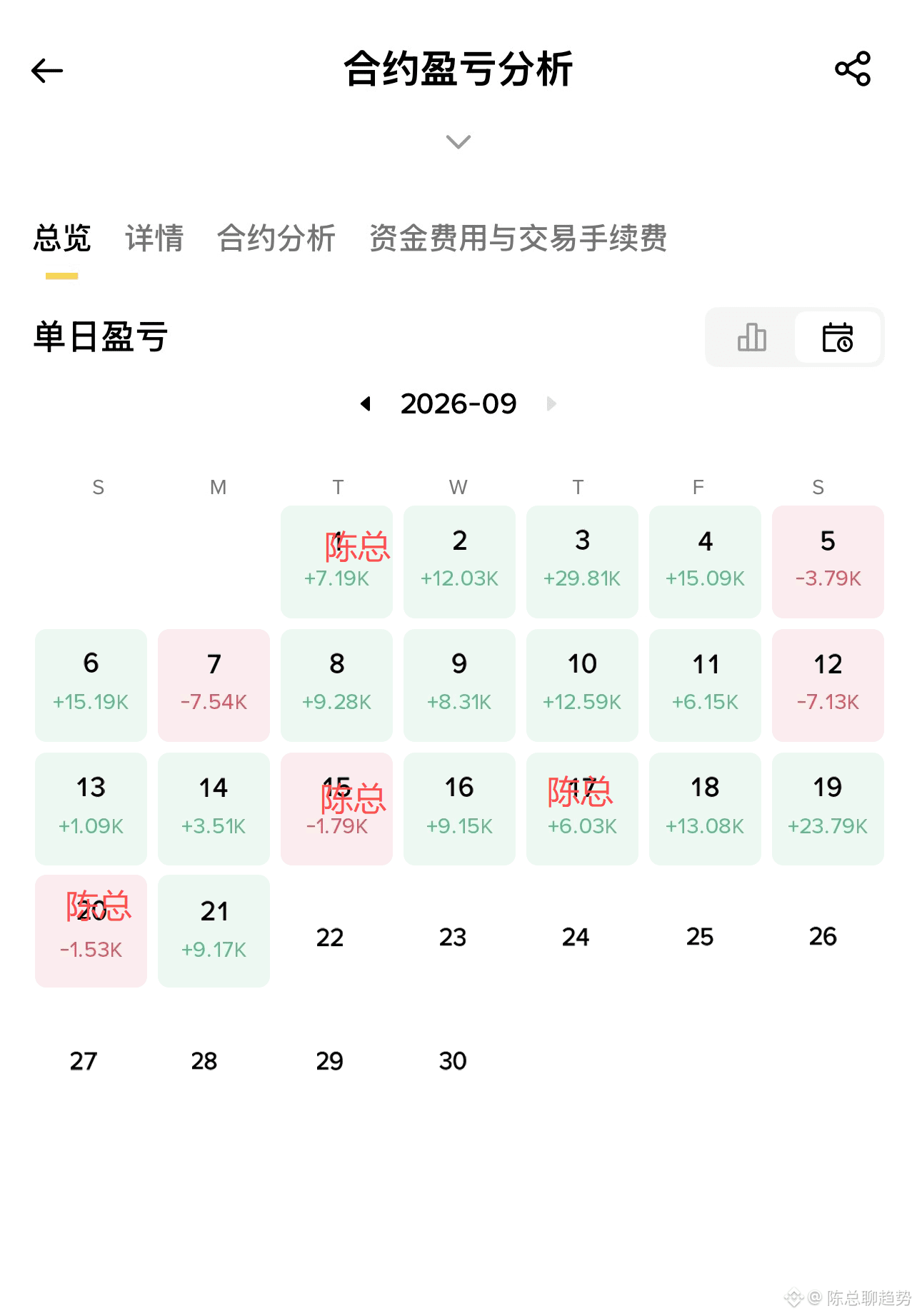
In crypto markets for ten years, the big loss—and ultimate defeat—was all down to one word: greed $BTC
I’ve been in it for ten years. All the losses trace back to just two words: being greedy. $ZEC
In the early days, I heavily held a low-quality altcoin. It rose from a few cents in cost basis to over a dollar. My account multiplied thirtyfold. At the time, I had even calculated my down payment. I just thought, “If I could double it again, I’ll do it.” No matter what, I refused to sell.
Then the market reversed. I kept clinging to hope, stubbornly holding through it. In the end, it fell back to two tenths. The thirtyfold unrealized profit turned into nothing—most of my principal was lost.
That’s when I finally understood: knowing when to buy is just the entry level; knowing when to sell is what keeps you alive.
Sharing a lazy-person set of rules I personally use:
Scale out in batches
When the cost reaches $2 from $1, sell 30% to get your original capital back. When it reaches $3, cut another 30% to lock in profits. Then leave the rest hanging with a trailing stop for take profit. Clear everything if the pullback hits 15%–20%. No eating fish tail—don’t let profits leak back to the market.
Stop-loss iron rule
Per trade, cap the loss at within 5%. Set your stop-loss order before entering. When it triggers, leave—no fantasies, no stubborn holding.
In crypto, there will always be opportunities—but if your principal is gone, then it’s truly over. The person who lasts the longest isn’t the one who dares to go all-in; it’s the one who follows discipline, knows how to take profits, and has the courage to cut losses.
No insider info, no complicated indicators. If you etch risk control into your bones, you can steadily make money and step out calmly.
I’ve been in it for ten years. All the losses trace back to just two words: being greedy. $ZEC
In the early days, I heavily held a low-quality altcoin. It rose from a few cents in cost basis to over a dollar. My account multiplied thirtyfold. At the time, I had even calculated my down payment. I just thought, “If I could double it again, I’ll do it.” No matter what, I refused to sell.
Then the market reversed. I kept clinging to hope, stubbornly holding through it. In the end, it fell back to two tenths. The thirtyfold unrealized profit turned into nothing—most of my principal was lost.
That’s when I finally understood: knowing when to buy is just the entry level; knowing when to sell is what keeps you alive.
Sharing a lazy-person set of rules I personally use:
Scale out in batches
When the cost reaches $2 from $1, sell 30% to get your original capital back. When it reaches $3, cut another 30% to lock in profits. Then leave the rest hanging with a trailing stop for take profit. Clear everything if the pullback hits 15%–20%. No eating fish tail—don’t let profits leak back to the market.
Stop-loss iron rule
Per trade, cap the loss at within 5%. Set your stop-loss order before entering. When it triggers, leave—no fantasies, no stubborn holding.
In crypto, there will always be opportunities—but if your principal is gone, then it’s truly over. The person who lasts the longest isn’t the one who dares to go all-in; it’s the one who follows discipline, knows how to take profits, and has the courage to cut losses.
No insider info, no complicated indicators. If you etch risk control into your bones, you can steadily make money and step out calmly.