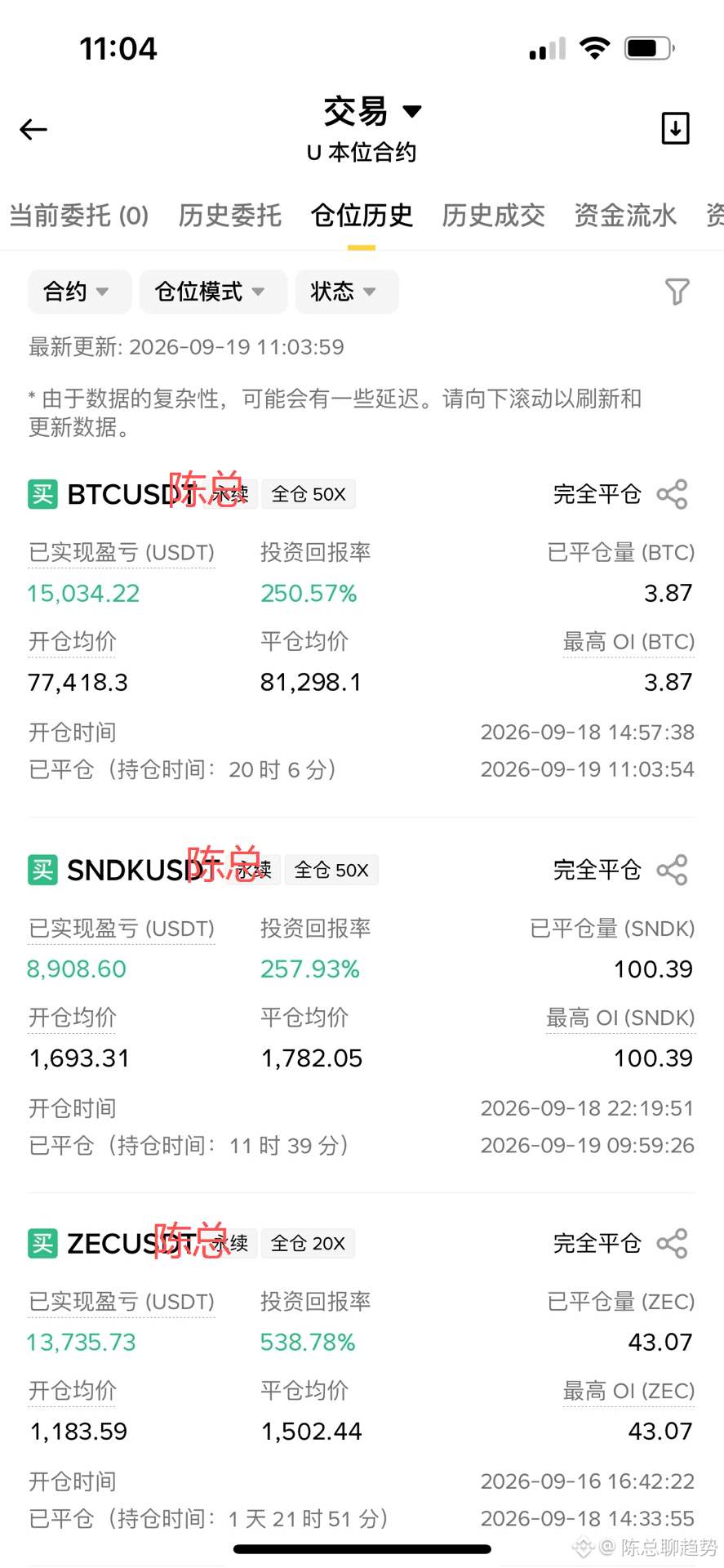
After spending long enough in the crypto market, you’ll understand: making money isn’t for the smartest—it’s for the most rule-abiding.$ZEC
These eight rules are lessons I paid for with real money. Many people lose because they don’t take them seriously.
1. When a strong coin keeps falling for nine days, don’t panic—cut. The main force won’t really crush a strong coin. Panic-selling that shakes out nearly everyone is often the starting point of a new trend.
2. If it rises for two consecutive days, sell half your position first. What matters is getting your profit. Lock in what’s certain first; let the rest run.$HOME
3. If it jumps more than 7% in a single day, don’t rush on the next day. Funds are moving, but chasing is dangerous. Focus on whether volume can catch up. If it can’t, don’t move.
4. After a big surge, don’t chase—wait for a pullback to enter. Fish head is where the spines are; the fish body is the most stable. Enter when the trend is clear—your win rate is higher than chasing.
5. If it goes sideways for three days, then watch another three days. If there’s no movement, switch positions decisively—don’t waste time stuck in dead coins.
6. If you haven’t broken even the next day after entering, reassess. If the direction is wrong, adjust. Exiting with a small loss is stronger than stubbornly holding on.
7. When a trend starts, it won’t stop instantly. Don’t blindly go long. Scale out profits to keep your money.
8. The relationship between volume and price is always first. A breakout with higher volume in a low zone is likely to start a move. High-volume with no follow-through—then withdraw. Price can mislead; volume rarely does.
Final line: look at volume first, then price. Protect your capital first, then think about making money. Most people aren’t beaten by the market—they’re dragged to death by greed and luck.
These eight rules are lessons I paid for with real money. Many people lose because they don’t take them seriously.
1. When a strong coin keeps falling for nine days, don’t panic—cut. The main force won’t really crush a strong coin. Panic-selling that shakes out nearly everyone is often the starting point of a new trend.
2. If it rises for two consecutive days, sell half your position first. What matters is getting your profit. Lock in what’s certain first; let the rest run.$HOME
3. If it jumps more than 7% in a single day, don’t rush on the next day. Funds are moving, but chasing is dangerous. Focus on whether volume can catch up. If it can’t, don’t move.
4. After a big surge, don’t chase—wait for a pullback to enter. Fish head is where the spines are; the fish body is the most stable. Enter when the trend is clear—your win rate is higher than chasing.
5. If it goes sideways for three days, then watch another three days. If there’s no movement, switch positions decisively—don’t waste time stuck in dead coins.
6. If you haven’t broken even the next day after entering, reassess. If the direction is wrong, adjust. Exiting with a small loss is stronger than stubbornly holding on.
7. When a trend starts, it won’t stop instantly. Don’t blindly go long. Scale out profits to keep your money.
8. The relationship between volume and price is always first. A breakout with higher volume in a low zone is likely to start a move. High-volume with no follow-through—then withdraw. Price can mislead; volume rarely does.
Final line: look at volume first, then price. Protect your capital first, then think about making money. Most people aren’t beaten by the market—they’re dragged to death by greed and luck.