Let’s talk about two viewpoints—also a place where many people are puzzled.
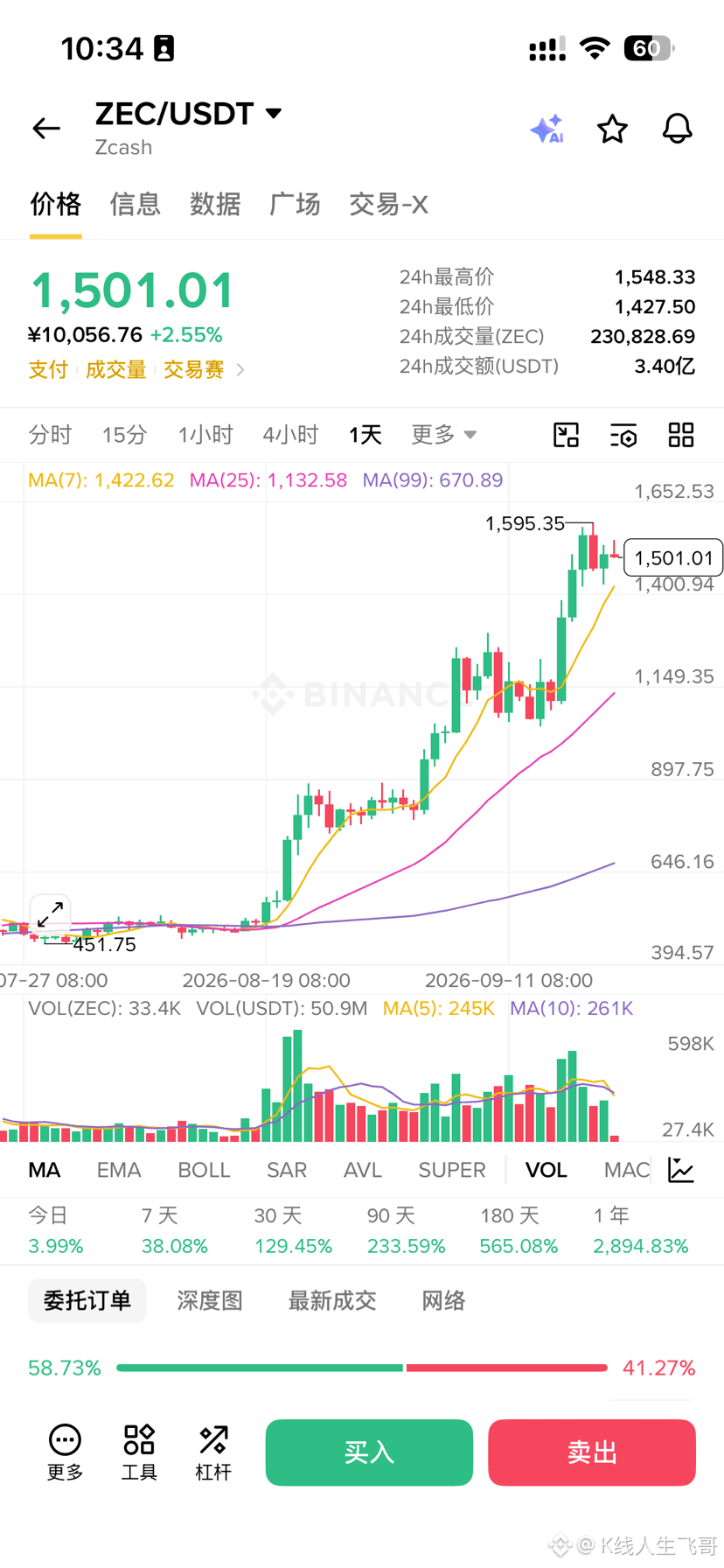
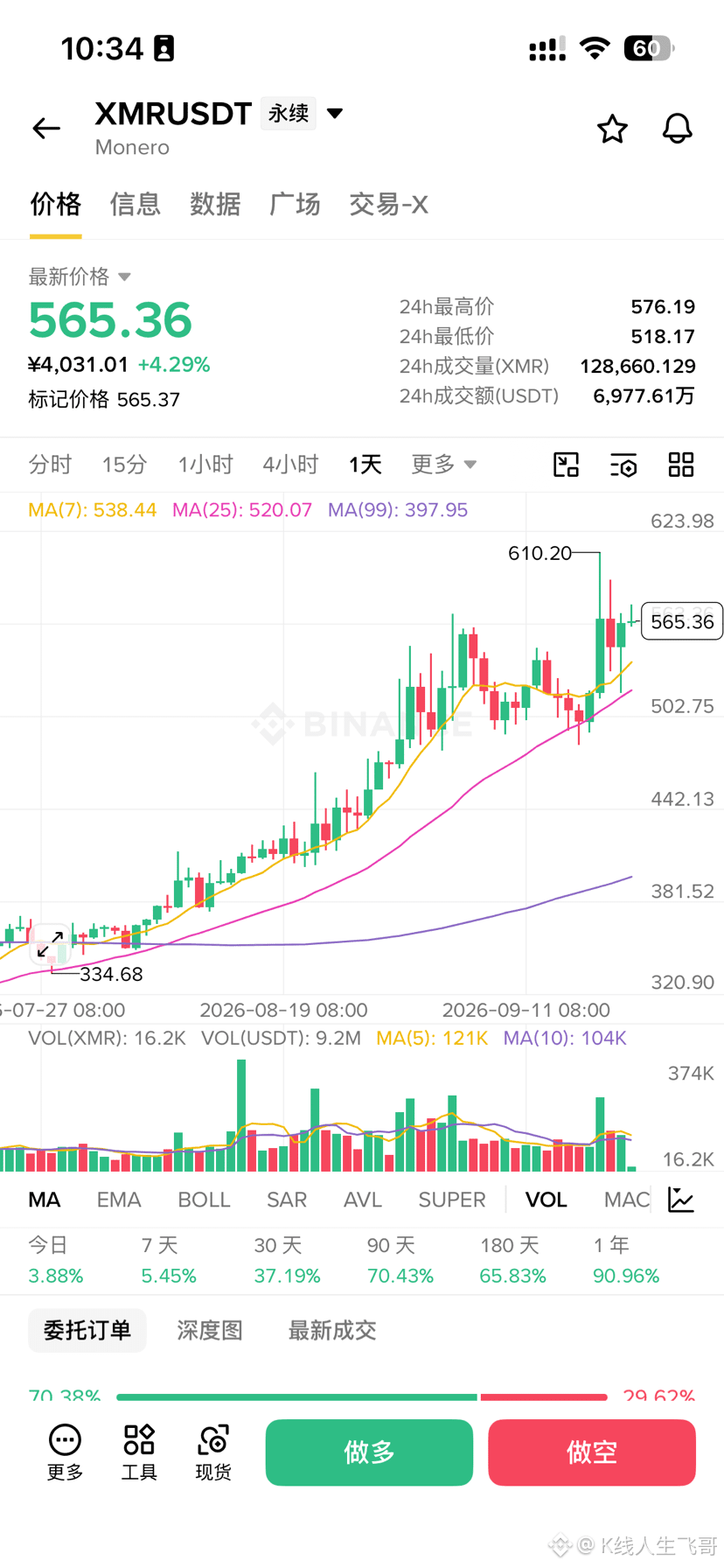
First, $ZEC and $XMR . Since ZEC’s performance has already surpassed XMR. In my view, you can’t just look at the fundamentals of the privacy track. The key to this round of行情 (market cycle) may be the structure of holdings and price elasticity.
ZEC’s early inflation and halving history changed the distribution of holdings and market expectations, making the price more easily driven by concentrated capital. On the other hand, for XMR, holdings are comparatively more dispersed. After liquidity gets pulled away, the market’s capacity—its incentives for market makers and for pushing the price—may not be as strong.
In a bull market, fundamentals determine whether you have a story to tell. But how much it can actually rise often depends, many times, on the elasticity of holdings and capital.
Second, the question many people are still thinking about: if CLARITY+ didn’t get through and after FOMC+, what else can the market rely on to keep rising?
I think the answer may not be that complicated.
The market itself is a catalyst.
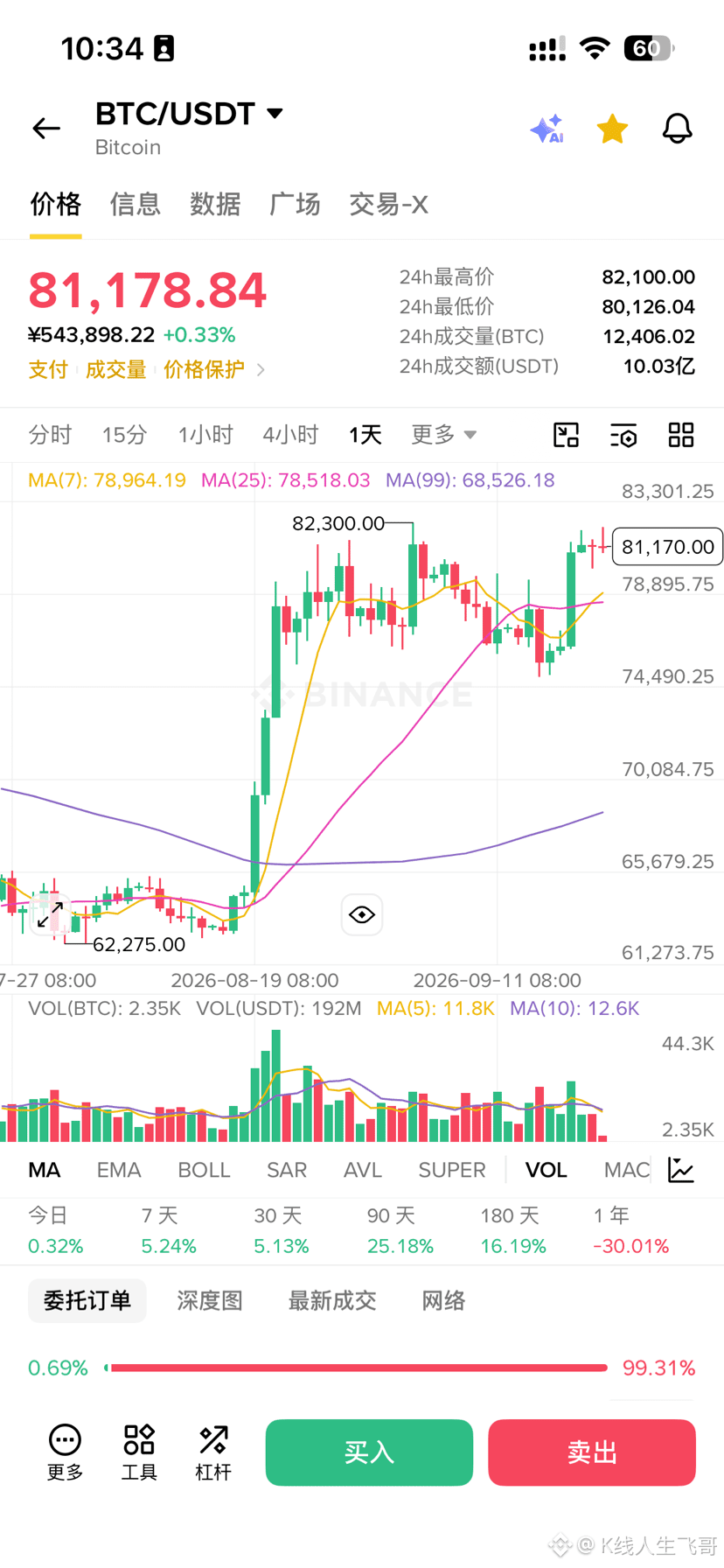
People who have been waiting for October—or waiting for BTC to drop to $40,000—if they find that the price doesn’t move as expected and instead starts rising steadily, they’ll face a new choice: keep waiting, or buy back first?
Many KOLs and their followers may still be stuck in the original script.
But the market won’t keep giving you time to wait.
When the price keeps deviating from expectations, FOMO may actually become a new source of buy orders.
First, $ZEC and $XMR . Since ZEC’s performance has already surpassed XMR. In my view, you can’t just look at the fundamentals of the privacy track. The key to this round of行情 (market cycle) may be the structure of holdings and price elasticity.
ZEC’s early inflation and halving history changed the distribution of holdings and market expectations, making the price more easily driven by concentrated capital. On the other hand, for XMR, holdings are comparatively more dispersed. After liquidity gets pulled away, the market’s capacity—its incentives for market makers and for pushing the price—may not be as strong.
In a bull market, fundamentals determine whether you have a story to tell. But how much it can actually rise often depends, many times, on the elasticity of holdings and capital.
Second, the question many people are still thinking about: if CLARITY+ didn’t get through and after FOMC+, what else can the market rely on to keep rising?
I think the answer may not be that complicated.
The market itself is a catalyst.
People who have been waiting for October—or waiting for BTC to drop to $40,000—if they find that the price doesn’t move as expected and instead starts rising steadily, they’ll face a new choice: keep waiting, or buy back first?
Many KOLs and their followers may still be stuck in the original script.
But the market won’t keep giving you time to wait.
When the price keeps deviating from expectations, FOMO may actually become a new source of buy orders.