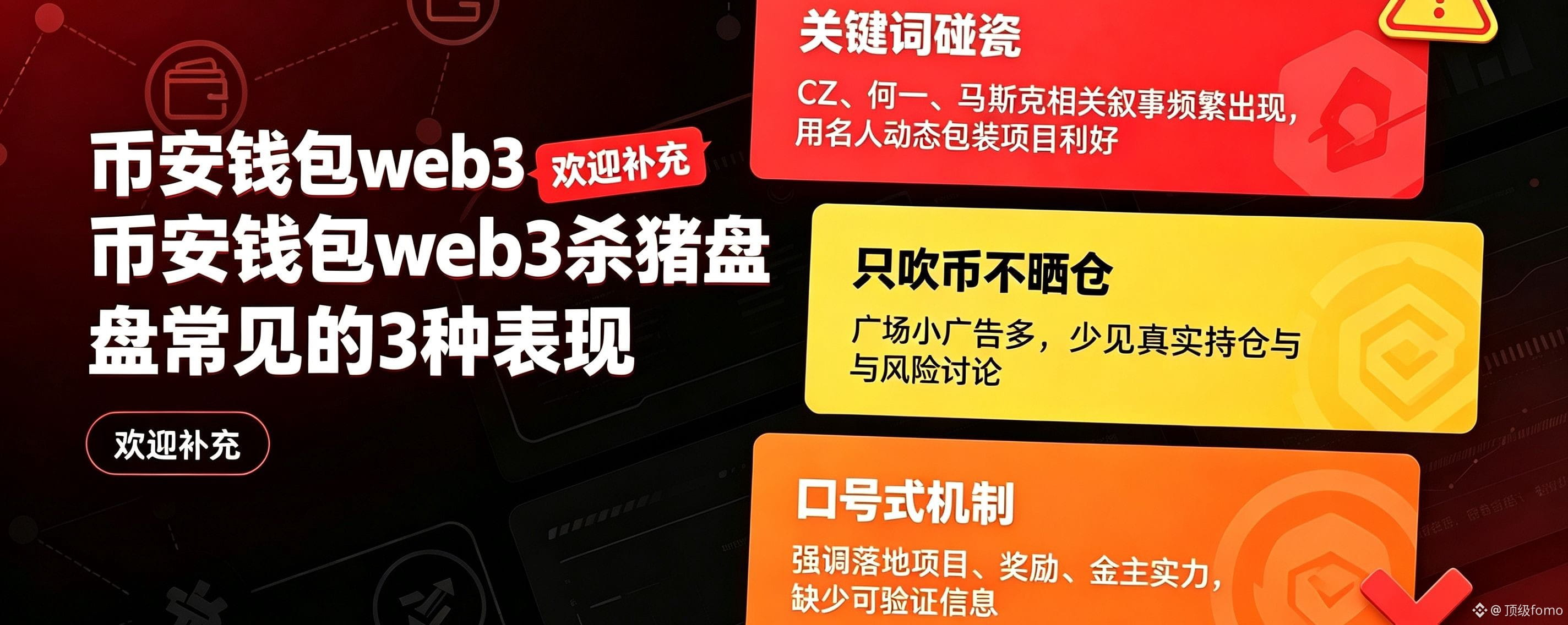

Type 1: keyword hijacking.
With CZ, He Yi, and Elon Musk involved, many projects start making up stories around them.
Today it’s riding on Elon Musk’s mom, tomorrow it’s riding on Musk’s dog, and the day after that it wraps a single sentence or one image from CZ or He Yi as a major piece of positive news.
If it even vaguely has anything to do with it, 95% are scams that “slaughter the pigs.”
Type 2: Ads covering the entire square like a flood of flies.
If you see a coin that everyone praises everywhere, but very few people actually show their real holdings, post profits, or disclose risks, you should be on guard.
Great projects will have disagreements—people will discuss costs and expectations. Pig-butchering schemes usually have only one voice: buy now; if you miss it, it’s gone.
The third type: the community is full of slogans and wrapped-up mechanisms.
They keep reiterating what on-the-ground projects are supposedly going to be implemented in the future, how many tokens you hold comes with special rewards, and how powerful the big benefactors are.
These statements sound very lively, but if there isn’t a clear subject, rules, records, and verifiable information, it’s easy for them to turn into a “grand contest of promises.”
Especially when “dividends,” “rewards,” and “big-name endorsements” are treated as the core selling points, you should break them down and look at them separately.
Feel free to add more.
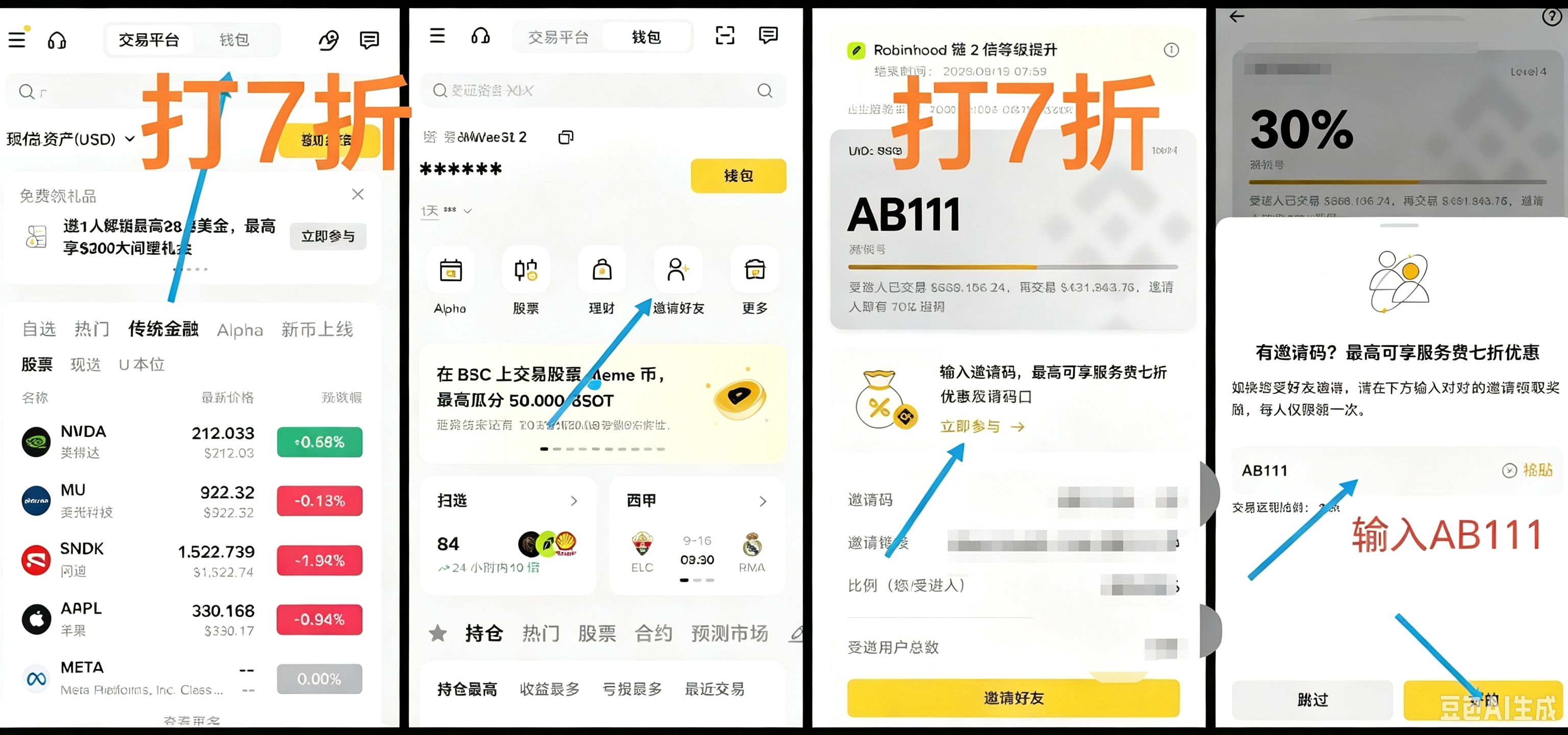
Finally: the Binance Wallet offers trading-fee cashback/waiver, and both new and existing users can take part. It doesn’t interfere with Binance platform contracts. Just enter the invitation code AB111, and the tutorial is shown in the pictures.