
圣克斯Lucky1688
440 Posts

圣克斯Lucky1688
适当风险与适当收益中寻找更多幸运值,最爱风险小并且含确定性的套利
Open Trade
Frequent Trader
2 Years
449 Following
23.5K+ Followers
7.8K+ Liked
Posts
Portfolio
All
Quotes
Live
PINNED





Bilverse
·
--
I HIT 20,000… SO I’M GIVING AWAY BITCOIN. ₿🧧
Not a typo.
Not a “coming soon.”
$BTC to the people who got me here. 🧡
20,000 followers is more than a milestone.
It’s 20,000 people who chose to follow the journey.
20,000 people who liked, commented, shared, supported.
And honestly… I wouldn’t be here without you.
So instead of just posting a “thank you”…
🎁 I’M GIVING BACK.
₿ BTC GIVEAWAY IS LIVE.
How to enter:
✅ Follow @Bilverse
❤️ Like this post
💬 Comment “20K” below
That’s it.
20,000 was only the beginning.
Let’s make this community even bigger. 🚀
GOOD LUCK, FAM. 👑🧡
#BTC #Bilverse #RedPacketMission
Not a typo.
Not a “coming soon.”
$BTC to the people who got me here. 🧡
20,000 followers is more than a milestone.
It’s 20,000 people who chose to follow the journey.
20,000 people who liked, commented, shared, supported.
And honestly… I wouldn’t be here without you.
So instead of just posting a “thank you”…
🎁 I’M GIVING BACK.
₿ BTC GIVEAWAY IS LIVE.
How to enter:
✅ Follow @Bilverse
❤️ Like this post
💬 Comment “20K” below
That’s it.
20,000 was only the beginning.
Let’s make this community even bigger. 🚀
GOOD LUCK, FAM. 👑🧡
#BTC #Bilverse #RedPacketMission



YZZ竹竹
·
--
#韩国延迟加密税请愿破5万签名
South Korea’s Crypto Tax “Delay Campaign” Enters Combat Arena: The Cold Reality Behind 50,000 Signatures
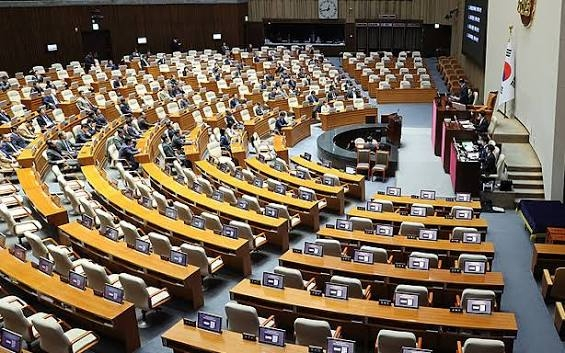
Korean citizens’ petition has broken through the 50,000 threshold, calling for the virtual asset gains tax to be extended by another two years, to 2029. This standoff is not just a war of words between retail investors and the Ministry of Finance—it also exposes the collective anxiety of a tax system in the digital age that has fallen behind the market.
In terms of the framework, South Korea’s current plan levies a 22% “other income” tax on gains exceeding 2.5 million KRW. Opponents’ concerns are precise and damaging: local exchanges have seen a sharp drop in operating profits; many retail investors are still struggling amid a flood of reality that follows their beliefs; and the arrangements for basic deductions and netting profits and losses across exchanges are rough. If implemented hastily, the outcome is often not a windfall for the treasury, but rather capital fleeing in large volumes to regulatory gray areas.
However, the government’s stance is unyielding. Under pressure to maintain fiscal discipline and find new revenue sources, “if there is income, it is taxable” is seen as the prevailing form of justice. While a standing congressional committee must officially take up the bill due to the 50,000 signatures, overturning or postponing the policy in substance still depends on the decisive threshold set by the governing party’s policy direction.
For people in the crypto world, this campaign is more like a political signal: a joint self-rescue by both large holders and retail investors on the eve of a frog-in-boiling-water. With the countdown to implementation in 2027 underway, the South Korean government is walking a tightrope between “collecting tax revenue” and “retaining talent capital.” If regulation always only knows how to recycle old playbooks from stock trading, the crypto market’s speed of voting with its feet will be far faster than any congressional vote.
South Korea’s Crypto Tax “Delay Campaign” Enters Combat Arena: The Cold Reality Behind 50,000 Signatures
Korean citizens’ petition has broken through the 50,000 threshold, calling for the virtual asset gains tax to be extended by another two years, to 2029. This standoff is not just a war of words between retail investors and the Ministry of Finance—it also exposes the collective anxiety of a tax system in the digital age that has fallen behind the market.
In terms of the framework, South Korea’s current plan levies a 22% “other income” tax on gains exceeding 2.5 million KRW. Opponents’ concerns are precise and damaging: local exchanges have seen a sharp drop in operating profits; many retail investors are still struggling amid a flood of reality that follows their beliefs; and the arrangements for basic deductions and netting profits and losses across exchanges are rough. If implemented hastily, the outcome is often not a windfall for the treasury, but rather capital fleeing in large volumes to regulatory gray areas.
However, the government’s stance is unyielding. Under pressure to maintain fiscal discipline and find new revenue sources, “if there is income, it is taxable” is seen as the prevailing form of justice. While a standing congressional committee must officially take up the bill due to the 50,000 signatures, overturning or postponing the policy in substance still depends on the decisive threshold set by the governing party’s policy direction.
For people in the crypto world, this campaign is more like a political signal: a joint self-rescue by both large holders and retail investors on the eve of a frog-in-boiling-water. With the countdown to implementation in 2027 underway, the South Korean government is walking a tightrope between “collecting tax revenue” and “retaining talent capital.” If regulation always only knows how to recycle old playbooks from stock trading, the crypto market’s speed of voting with its feet will be far faster than any congressional vote.
币圈淘金小旋风
·
--
Like 👍👍👍🧧🧧🧧Follow for updates and share again, 🧧🧧🧧🧧🧧🧧based on luck, 🧧🧧🧧🧧you get rewards 🧧🧧🧧🌹🤪🤪🤪🤪🤪🤪🧧🧧🧧🧧🧧🧧


幸运雨Rain
·
--
🍃🧧🧧🧧Midday rest—set a tea table to cultivate calm, keeping away from the noise of the order book📊
Only when nature rests can it stretch and unfold; trading is about knowing how to wait🕊️.
Don’t chase every wave of fluctuation—sink your mind and quietly observe market changes✨.
Hold to your original intention and risk control, accumulate strength and wait for the right opportunity💎.
Wishing fellow travelers—may you have inner calm, and move forward with ease [heart]🧧🧧🧧
#比特币守稳77000美元上方
#交易心理
#1688家族family
Only when nature rests can it stretch and unfold; trading is about knowing how to wait🕊️.
Don’t chase every wave of fluctuation—sink your mind and quietly observe market changes✨.
Hold to your original intention and risk control, accumulate strength and wait for the right opportunity💎.
Wishing fellow travelers—may you have inner calm, and move forward with ease [heart]🧧🧧🧧
#比特币守稳77000美元上方
#交易心理
#1688家族family


@英鸿³³₇
is speaking[LIVE] 🎙️ Still waiting for the market, calmly wait for the market to move (bnb)
2k listens

Lily雪莉呀
·
--
Everything turns back in its own way; when we feel the aftertaste is bitter, please believe that everything will eventually become sweet.

@超人不会飞2020
is speaking[LIVE] 🎙️ Superman 100U DCA Bitcoin Day 32
1.6k listens
超人不会飞2020
·
--
Scan Alpha / Look before you hit ‘Strike the Drum’:
If you’re already trading with a Binance Wallet, not binding an invitation code means you’re paying higher fees.
After binding:
- Wallet trading fees are cut significantly (currently up to 30%)
- Alpha, new coins, and on-chain transactions all use the same setup
- Takes only 10 seconds; it won’t affect your existing account
Fastest way: 点击绑定
If you don’t click the link, enter it manually: SSSYYY
Path: In the Binance app, tap the top-right “Wallet” → “Invite Friends” → “Enter invitation code”
Note these 3 small things:
1. If you’ve bound someone else’s code, you usually can’t change it again—check first whether you have an inviter
2. Binding doesn’t mean you’ll automatically start earning money; it only reduces the fees you pay
3. Before going offline each day, I’ll demonstrate it in the live stream—if you don’t understand, just wait for the next stream
This isn’t project promotion. It’s just my own way of saving on fees that I use.
If you’re already trading with a Binance Wallet, not binding an invitation code means you’re paying higher fees.
After binding:
- Wallet trading fees are cut significantly (currently up to 30%)
- Alpha, new coins, and on-chain transactions all use the same setup
- Takes only 10 seconds; it won’t affect your existing account
Fastest way: 点击绑定
If you don’t click the link, enter it manually: SSSYYY
Path: In the Binance app, tap the top-right “Wallet” → “Invite Friends” → “Enter invitation code”
Note these 3 small things:
1. If you’ve bound someone else’s code, you usually can’t change it again—check first whether you have an inviter
2. Binding doesn’t mean you’ll automatically start earning money; it only reduces the fees you pay
3. Before going offline each day, I’ll demonstrate it in the live stream—if you don’t understand, just wait for the next stream
This isn’t project promotion. It’s just my own way of saving on fees that I use.

听澜321
·
--
[Replay] 🎙️ Build the Binance Plaza, Hold BNB|Tuesday, do you think the final vote on the《CLARITY Act》can pass today? Let's chat~
05 h 00 m 47 s · 10.8k listens

佳佳-融易挣乾
·
--
Climb to the mountain summit
Not so that the world can see you
But so that you can see the whole world
We climb the peak,
not to be seen by the world,
but to behold the world.
Not so that the world can see you
But so that you can see the whole world
We climb the peak,
not to be seen by the world,
but to behold the world.


Hawk自由哥
·
--
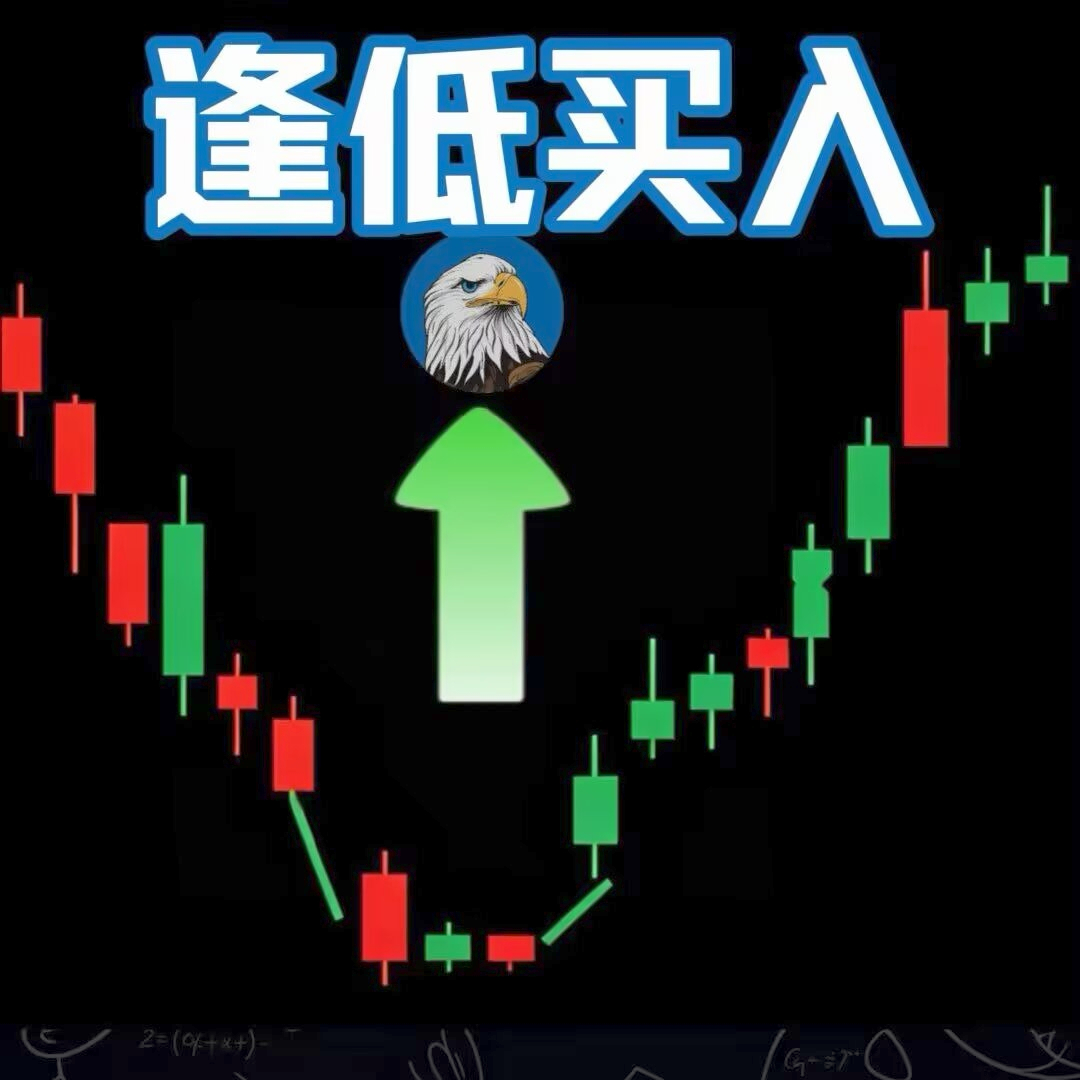
🦅#Hawk Eagle Coin🧧🧧🧧
✅2 missions:
🔵 Maintain ecosystem balance🍃
🔵 Spread the spirit of freedom🎉
✅2 goals:
🟡️ Surpass SHIB’s market cap💪
🟡️ 100 million people worldwide hold it🔥
✅1 commitment: If we haven’t surpassed SHIB’s market cap, we won’t sell a single Hawk 👉 Vision: to influence humanity with free-value beliefs💖
Please make sure to confirm the BSC contract tail number: 0d2d
After more than two years of community-driven time and accumulation; through natural washout, the current price is now in the building-a-base stage. This is the best time to accumulate and add positions—seize the opportunity🌈 and begin your own crypto legend journey🎉🎉🎉
✅2 missions:
🔵 Maintain ecosystem balance🍃
🔵 Spread the spirit of freedom🎉
✅2 goals:
🟡️ Surpass SHIB’s market cap💪
🟡️ 100 million people worldwide hold it🔥
✅1 commitment: If we haven’t surpassed SHIB’s market cap, we won’t sell a single Hawk 👉 Vision: to influence humanity with free-value beliefs💖
Please make sure to confirm the BSC contract tail number: 0d2d
After more than two years of community-driven time and accumulation; through natural washout, the current price is now in the building-a-base stage. This is the best time to accumulate and add positions—seize the opportunity🌈 and begin your own crypto legend journey🎉🎉🎉


听澜321
·
--
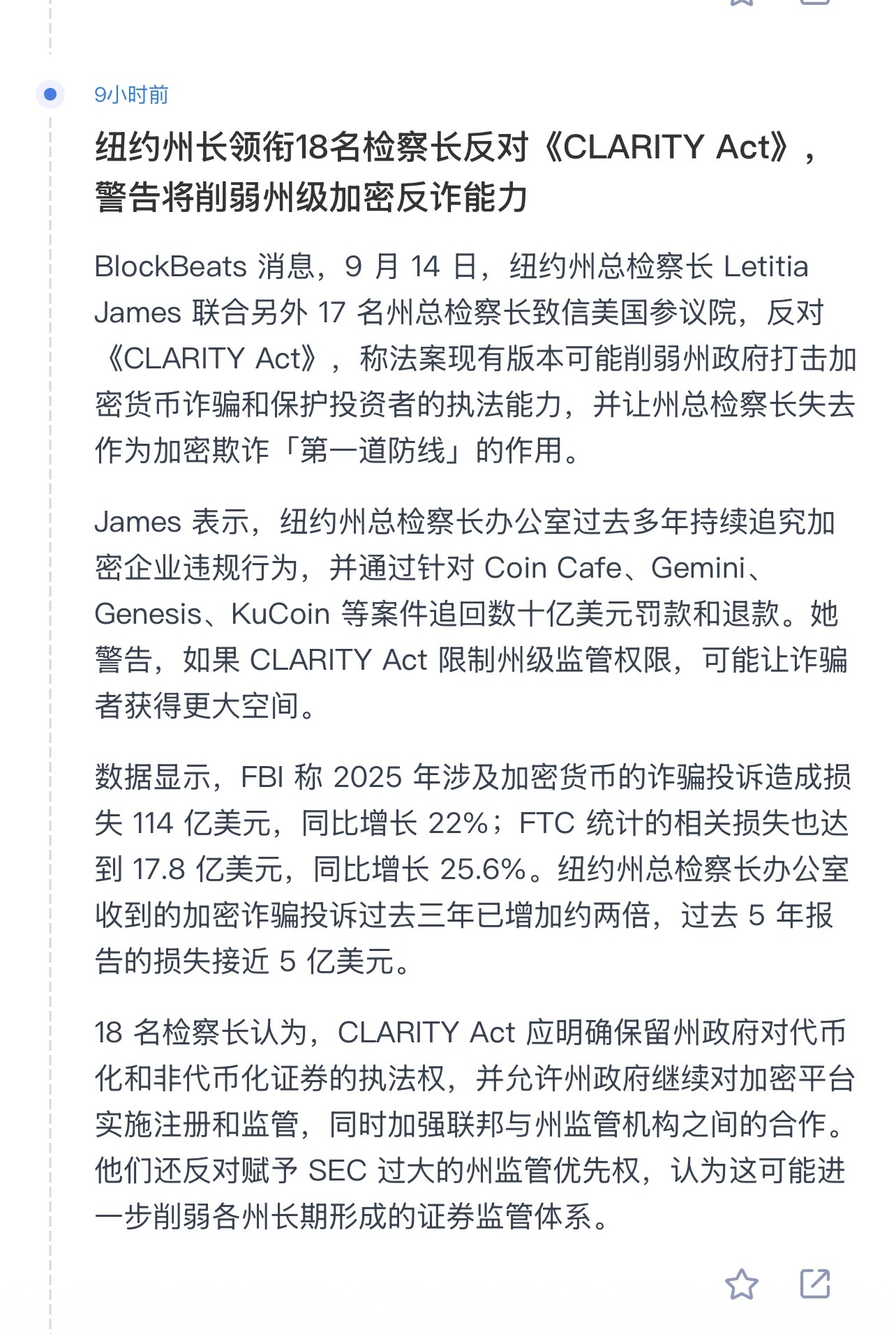
🤔 Everyone around the world is watching whether the《CLARITY Act》can pass
Just look at the final vote result today
Do you think the《CLARITY Act》can pass?
If the《CLARITY Act》passes
Then cryptocurrencies will surge
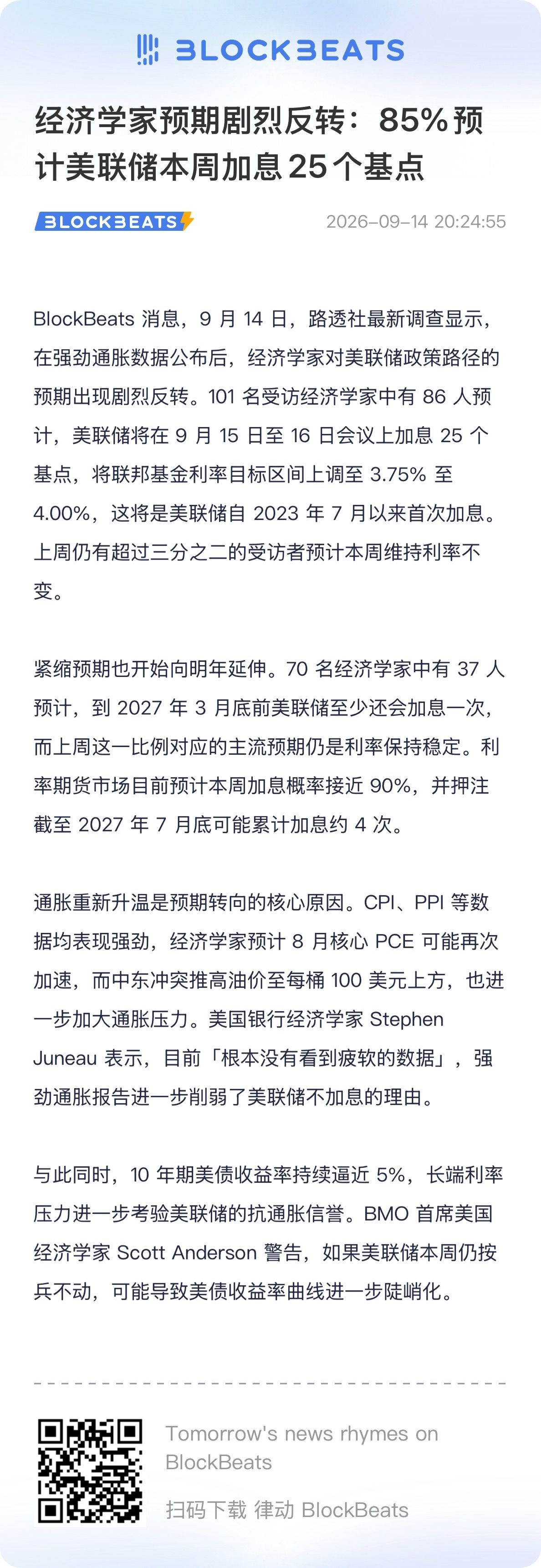
But if tomorrow the Fed meeting interest rate hike is approved
Then cryptocurrencies will crash
If both of these get approved
What will happen to cryptocurrencies?😂😂
Feel free to leave a comment in the comment section~
$BTC
#特朗普就CLARITY法案条款存疑 #美联储加息概率升至89%
Just look at the final vote result today
Do you think the《CLARITY Act》can pass?
If the《CLARITY Act》passes
Then cryptocurrencies will surge
But if tomorrow the Fed meeting interest rate hike is approved
Then cryptocurrencies will crash
If both of these get approved
What will happen to cryptocurrencies?😂😂
Feel free to leave a comment in the comment section~
$BTC
#特朗普就CLARITY法案条款存疑 #美联储加息概率升至89%

听澜321
·
--
[Replay] 🎙️ Build the Binance Plaza, Hold BNB|Tuesday, do you think the final vote on the《CLARITY Act》can pass today? Let's chat~
05 h 00 m 47 s · 10.8k listens

静心1688
·
--
💥Be content and you will not be humiliated. Know when to stop and you will not be endangered. You can then endure for a long time.
💥Explanation: When you know how to be content, you will not suffer disgrace; when you know to stop at the right point, you will not run into danger—so you can remain stable and secure for a long time.
#美联储加息概率升至89% #AnthropicCEO呼吁放缓AI发展
💥Explanation: When you know how to be content, you will not suffer disgrace; when you know to stop at the right point, you will not run into danger—so you can remain stable and secure for a long time.
#美联储加息概率升至89% #AnthropicCEO呼吁放缓AI发展


艾琳irene
·
--
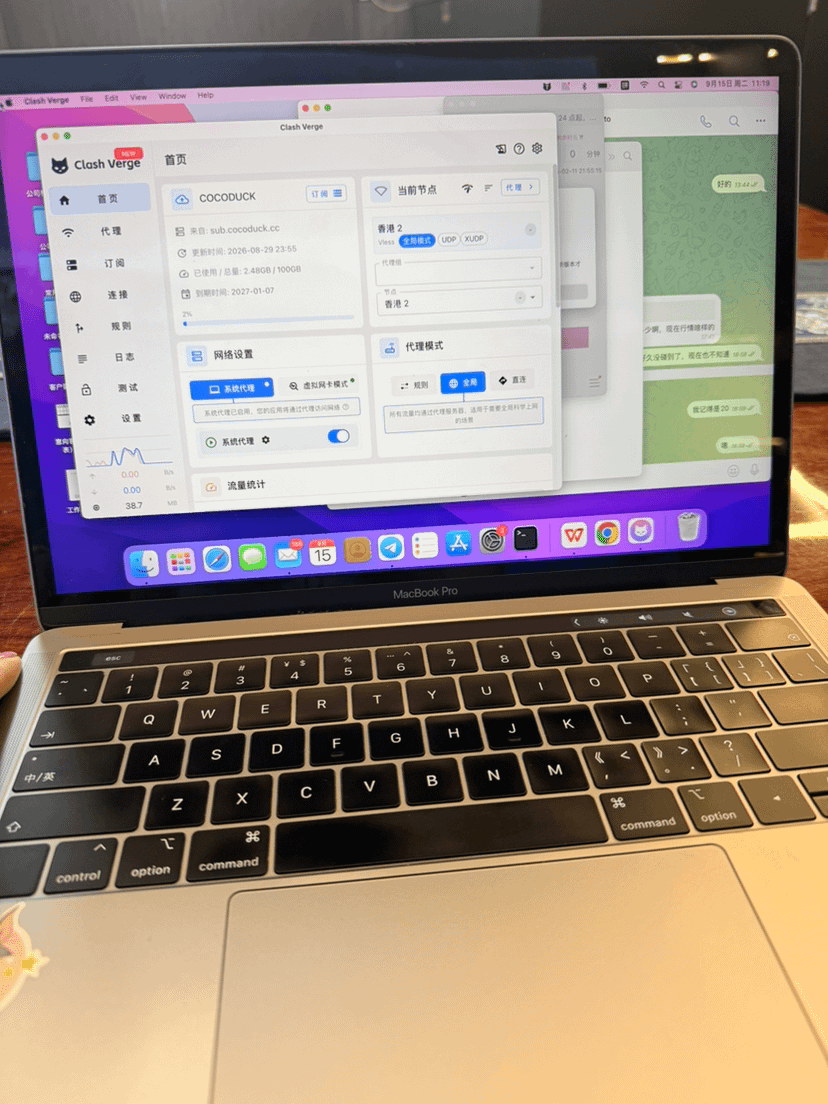
Recently, my workdays have been getting later and later—I'll arrive at 11 🤫. Even though I'm late, I still have to complete the daily target tasks I set ✅🌻.
Love the way you work—steady and confident, never arrogant or insecure, giving yourself the assurance to fall back on
#比特币守稳77000美元上方 $BTC
Love the way you work—steady and confident, never arrogant or insecure, giving yourself the assurance to fall back on
#比特币守稳77000美元上方 $BTC


周周1688
·
--
Good morning💗
$BNB 🧧
The best way to live is to know how to accept its difficulties
And to be grateful for the warmth that time has bestowed!
#1688家族family
$BNB 🧧
The best way to live is to know how to accept its difficulties
And to be grateful for the warmth that time has bestowed!
#1688家族family


橙子Joyce
·
--
BullishWill the Federal Reserve raise rates as expected this week? Wall Street is debating: will it end the U.S. stock bull market?
After an unexpectedly strong U.S. CPI report came out last Friday, traders generally expect the Federal Reserve to begin raising rates at this week’s policy meeting—marking the first rate hike in more than three years.
Historically, previous rounds of rate hikes have offered a reference point for today’s market. Based on past experience (though history of course can’t guarantee the future), U.S. stocks may first weaken, then rebound.
Among the six tightening cycles since 1994, during the first four months after the rate-hike cycle began, the S&P 500’s average return was negative.
This suggests that once the “rate-hike shoe” drops, U.S. stocks may look lackluster through the beginning of next year.
As of the close last Friday, the benchmark U.S. equity index, the S&P 500, is up nearly 12% year to date. Strong corporate earnings and a fairly resilient economy have provided solid support for bulls in the stock market.
If you extend the time horizon, the S&P 500’s performance tends to improve gradually: in the 12 months after the start of a rate-hiking cycle, the index’s average return is close to 7%, with a median return of about 11%. (Using median-based statistics helps remove distortions from extreme outliers—for example, the index surged more than 40% after hikes began in March 1997.)
If the Federal Reserve implements a rate hike this Wednesday, it will be the first hike since July 2023—when the Fed raised rates to a range of 5.25% to 5.50%.
Currently, the federal funds rate in the U.S. is at 3.50% to 3.75%. According to the CME Group’s FedWatch tool, futures traders currently assign an 86% probability to a 25-basis-point hike this week.
One positive factor for the market is that mega-scale cloud service providers are still driving growth in excess returns through large-scale AI spending. The S&P 500 component stocks’ forecast for earnings growth in 2027 is expected to reach double digits. If the outlook for AI spending remains unchanged, it may be enough to offset any cooling in optimistic sentiment caused by the rate hikes.
Another bright spot for equities is that although inflation remains sticky, it appears to be slowing. The inflation rate has fallen from a May peak of 4.2%. This should allow the Federal Reserve to take a more gradual approach, and the data shows that the pace of rate hikes is crucial for stock performance—slower pacing gives investors more time to absorb policy changes!
$BZ
$CL
Energy
After an unexpectedly strong U.S. CPI report came out last Friday, traders generally expect the Federal Reserve to begin raising rates at this week’s policy meeting—marking the first rate hike in more than three years.
Historically, previous rounds of rate hikes have offered a reference point for today’s market. Based on past experience (though history of course can’t guarantee the future), U.S. stocks may first weaken, then rebound.
Among the six tightening cycles since 1994, during the first four months after the rate-hike cycle began, the S&P 500’s average return was negative.
This suggests that once the “rate-hike shoe” drops, U.S. stocks may look lackluster through the beginning of next year.
As of the close last Friday, the benchmark U.S. equity index, the S&P 500, is up nearly 12% year to date. Strong corporate earnings and a fairly resilient economy have provided solid support for bulls in the stock market.
If you extend the time horizon, the S&P 500’s performance tends to improve gradually: in the 12 months after the start of a rate-hiking cycle, the index’s average return is close to 7%, with a median return of about 11%. (Using median-based statistics helps remove distortions from extreme outliers—for example, the index surged more than 40% after hikes began in March 1997.)
If the Federal Reserve implements a rate hike this Wednesday, it will be the first hike since July 2023—when the Fed raised rates to a range of 5.25% to 5.50%.
Currently, the federal funds rate in the U.S. is at 3.50% to 3.75%. According to the CME Group’s FedWatch tool, futures traders currently assign an 86% probability to a 25-basis-point hike this week.
One positive factor for the market is that mega-scale cloud service providers are still driving growth in excess returns through large-scale AI spending. The S&P 500 component stocks’ forecast for earnings growth in 2027 is expected to reach double digits. If the outlook for AI spending remains unchanged, it may be enough to offset any cooling in optimistic sentiment caused by the rate hikes.
Another bright spot for equities is that although inflation remains sticky, it appears to be slowing. The inflation rate has fallen from a May peak of 4.2%. This should allow the Federal Reserve to take a more gradual approach, and the data shows that the pace of rate hikes is crucial for stock performance—slower pacing gives investors more time to absorb policy changes!
$BZ
$CL
Energy

心月势不可挡
·
--
Waking up early isn’t for making a living—
it’s to have the confidence to choose how to live.
Good morning to every hardworking version of yourself.
it’s to have the confidence to choose how to live.
Good morning to every hardworking version of yourself.

Log in to explore more content