
#BTC #crypto #FRS As is already known to everyone, after a sufficiently long period of stability, starting from December 10, 2025, the US Federal Reserve’s rate of 3.75% (3.5% - 3.75%) per year, on September 16, 2026, was increased by 0.25% to 4% per year (3.75% - 4.0%).
Over all these 280 days, the Fed revised its rate about five times and kept it unchanged.
Why did the Fed choose the rate increase option among the three possible scenarios?
In my view, the main reason was related to the largest credit lender to US government debt securities and the US economy. As you know, that is Japan, which shortly before the Fed increased its rate by 0.25%, from 1.0% to 1.25%.
If the Federal Reserve had not increased its rate, then the balance that had built up over years would have been disrupted, and Japanese money from the US could flow back to Japan again.
In the US economy, the stock market, and the crypto market, there is a significant share of borrowed low-interest money from Japan. Repaying these loans could trigger a major drop across all markets both in the US and worldwide. It’s quite possible there are other reasons why the Fed needed to raise its rate.
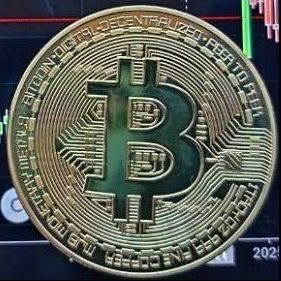
Why hasn’t Bitcoin $BTC crashed after the Federal Reserve increased its rate, and instead is making attempts to grow?
- The forecasts market had already priced in this rate increase in advance.
- For markets, it’s always better to have specific knowledge than expectations and guesswork (market psychology).
- Fears of capital leaving the market from Japan and other foreign countries were dismissed.
- The SEC mitigated the failure of the stuck Clarity Act and added positivity by approving the tokenization of assets and the creation of government crypto reserves with custody for 20 years.
Outlook for interest rates.
With a probability of almost 90%, there will be another rate increase by the Bank of Japan and the Federal Reserve before the end of this year. Forecast for the Fed’s rate by year-end: 4.1% per year.
On 21.09.2026, the Bank of China will review its rate of 0.8% per year (in July it increased it from 0.5%).
Almost all major countries are increasing their rates. In the Eurozone, the rate is already 4.1%. India increased its rate from 4.45% to 4.82%.
What could be the drivers of Bitcoin and altcoin growth?
- Inflow of “fresh” money from the US. US public debt of 40 trillion dollars (in gold, that’s more than 277 thousand tons!) cannot be serviced any other way than by following the same path—i.e., issuing new government bonds and, as much as possible, repurchasing its public debt. Part of this money will go into the crypto market.
- Year after year, almost exponentially, the number of participants in the crypto market is increasing, and they come in with their “new” money.
- Money from AI companies that will try to cool things down and not hype up their shares to avoid a premature bubble that will definitely burst at the first serious miss on the part of AI.
- Money from various funds.
- As soon as the Bitcoin growth cycle begins, all less profitable assets will be pulled into this growth (precious metals, stocks from the stock market...)
***********************************************************
Author: Crypto_Gen21
20.09.2026
This article reflects the author’s thoughts on the topic and is not financial advice.