Can someone trapped in a cycle of trading-coin speculation really return to a normal life? It’s hard.
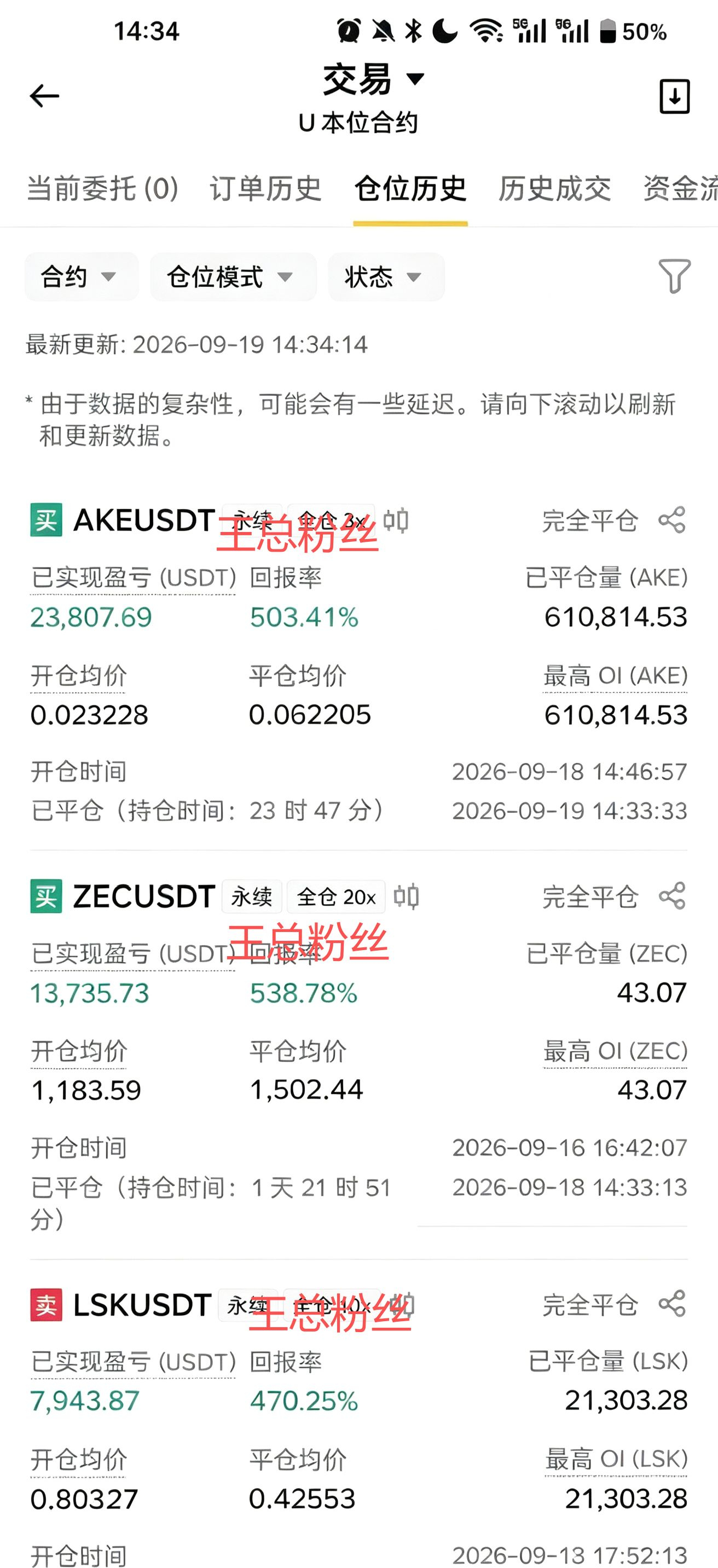
There’s a friend of mine who, at first, was only curious—he tried futures with 1,500U. He didn’t expect that in just two days, his account would shoot up to 40,000U. The intense thrill of rapid “get rich quick” gains gave him a sense of illusion—that he had mastered the market logic. Even when he clocked in for a job with a fixed salary, he felt the pace was too slow and not worth mentioning.
Once you’ve tasted fast money, it becomes difficult to accept the slow accumulation of returns.
Later, when the market started to pull back, he didn’t stop—instead, he kept increasing his position size. He refused to cut losses or leave the trade. Whenever the market dipped, he kept averaging down. In his mind, he clung to a fantasy: if he got the next trade right, he could make back all his losses. In the end, his 40,000U account was gradually ground down to only a few hundred U.
Losing money is painful, but what’s truly terrifying is that the trading addiction has him firmly trapped. While eating, he stares at the charts; before sleeping, he checks the market too. When he wakes up in the middle of the night, his first instinct is to grab his phone and look at the K-line chart. Out of his mouth, he may even advise others to stay away from high leverage—but the moment the market shows the slightest fluctuation, his fingers don’t feel under his control anymore. He feels compelled to click open the trading interface.
The most dangerous part of high leverage is that the feedback arrives too fast. Daily gains of dozens of percentage points, and the account doubling in a short time—his brain records the pleasure of windfall profits, but selectively forgets: one wrong judgment can be enough to liquidate his account to zero.
When traders are stuck in a swamp of losses, one thought always pops up in their minds: “If I just do another trade, I’ll break even.” The more desperate they are to recover, the heavier the positions they take. The more unwilling they are to admit defeat, the harder it becomes to stop decisively and cut losses. By the time a genuinely good opportunity finally appears, the principal has already been exhausted through one emotional trade after another.
What truly destroys people in the crypto world is often not a sudden market crash, but the greed that can’t be restrained after the taste of big profits. Knowing how to hold your own hand—being willing to pause trading when losses happen, and when you’re mentally off-balance, simply closing the app and walking away—that is the hardest skill for a trader to learn.
There’s a friend of mine who, at first, was only curious—he tried futures with 1,500U. He didn’t expect that in just two days, his account would shoot up to 40,000U. The intense thrill of rapid “get rich quick” gains gave him a sense of illusion—that he had mastered the market logic. Even when he clocked in for a job with a fixed salary, he felt the pace was too slow and not worth mentioning.
Once you’ve tasted fast money, it becomes difficult to accept the slow accumulation of returns.
Later, when the market started to pull back, he didn’t stop—instead, he kept increasing his position size. He refused to cut losses or leave the trade. Whenever the market dipped, he kept averaging down. In his mind, he clung to a fantasy: if he got the next trade right, he could make back all his losses. In the end, his 40,000U account was gradually ground down to only a few hundred U.
Losing money is painful, but what’s truly terrifying is that the trading addiction has him firmly trapped. While eating, he stares at the charts; before sleeping, he checks the market too. When he wakes up in the middle of the night, his first instinct is to grab his phone and look at the K-line chart. Out of his mouth, he may even advise others to stay away from high leverage—but the moment the market shows the slightest fluctuation, his fingers don’t feel under his control anymore. He feels compelled to click open the trading interface.
The most dangerous part of high leverage is that the feedback arrives too fast. Daily gains of dozens of percentage points, and the account doubling in a short time—his brain records the pleasure of windfall profits, but selectively forgets: one wrong judgment can be enough to liquidate his account to zero.
When traders are stuck in a swamp of losses, one thought always pops up in their minds: “If I just do another trade, I’ll break even.” The more desperate they are to recover, the heavier the positions they take. The more unwilling they are to admit defeat, the harder it becomes to stop decisively and cut losses. By the time a genuinely good opportunity finally appears, the principal has already been exhausted through one emotional trade after another.
What truly destroys people in the crypto world is often not a sudden market crash, but the greed that can’t be restrained after the taste of big profits. Knowing how to hold your own hand—being willing to pause trading when losses happen, and when you’re mentally off-balance, simply closing the app and walking away—that is the hardest skill for a trader to learn.