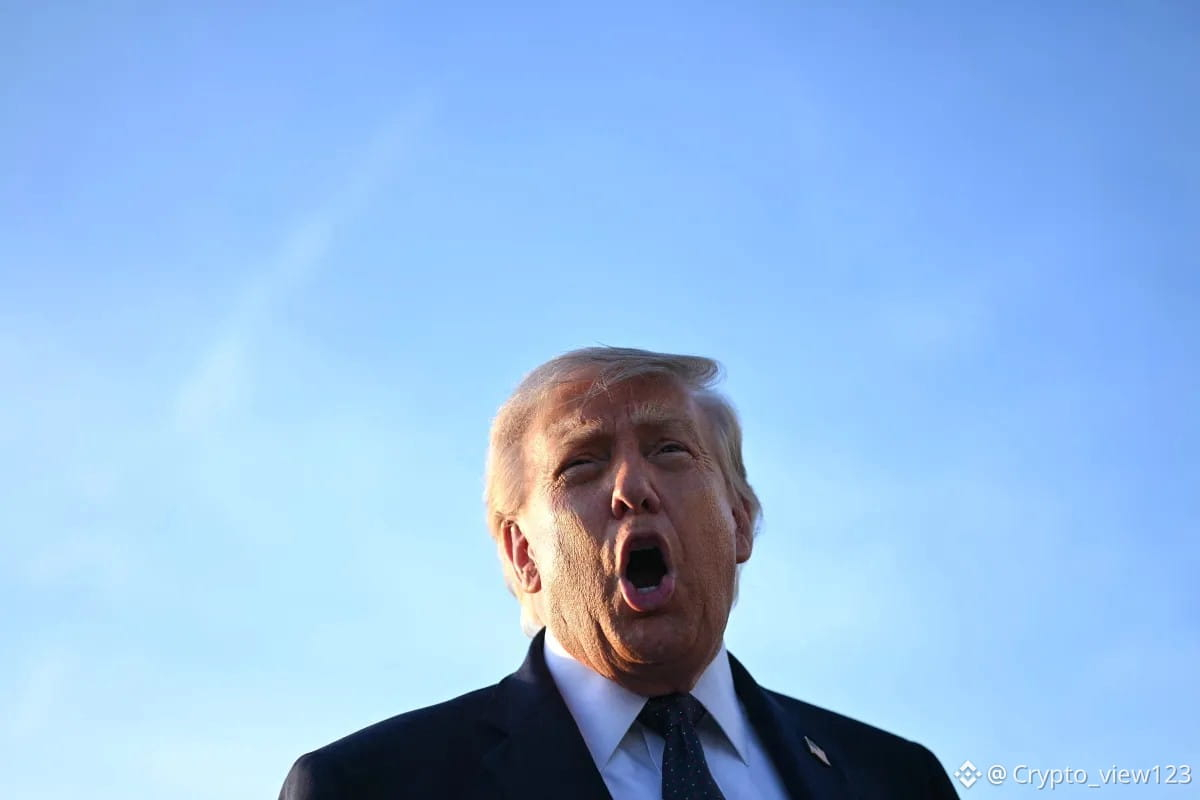
The President wants to give it a new name, and, in the meantime, set up an army.
On Saturday, Trump posted on his own social platform saying that the words “artificial intelligence” are inaccurate and not dignified enough, so he opened a poll for people to choose a new name. The candidates were “Superior Intelligence,” “Extreme Intelligence,” and “Supreme Intelligence.” As of the time of writing, the voting was still ongoing. A few hours later, he added another post saying he would form an “artificial intelligence force,” drawing a parallel to the U.S. Space Force in his first term, and also said he would soon announce the person in charge of artificial intelligence affairs.
The backdrop to these remarks is the latest round of debates over AI safety and the pace of development. His claim is that attacks on artificial intelligence are a political maneuver—criticism directed at data centers is just the appetizer; the next step will target AI itself. He made his comments very absolute and provided no evidence. In the same day, he talked about both the name and the organization—soft and hard aspects alike.
For a company to change its name, it needs to hold a board meeting; to rename a piece of technology, all it takes is a single post. The poll can be shut down at any time, but the staffing and headcount must be written into the budget. Changing the name does not solve the problems of computing power, employment, or electricity costs, but it can indeed shift the focus of public attention. What really matters is how much budget that “force” gets, who it falls under, and how many people it hires.
Serious matters are often said first in an unserious way.
Changing the name costs nothing—the money is all behind the name.
#人工智能 #Technology Regulation
On Saturday, Trump posted on his own social platform saying that the words “artificial intelligence” are inaccurate and not dignified enough, so he opened a poll for people to choose a new name. The candidates were “Superior Intelligence,” “Extreme Intelligence,” and “Supreme Intelligence.” As of the time of writing, the voting was still ongoing. A few hours later, he added another post saying he would form an “artificial intelligence force,” drawing a parallel to the U.S. Space Force in his first term, and also said he would soon announce the person in charge of artificial intelligence affairs.
The backdrop to these remarks is the latest round of debates over AI safety and the pace of development. His claim is that attacks on artificial intelligence are a political maneuver—criticism directed at data centers is just the appetizer; the next step will target AI itself. He made his comments very absolute and provided no evidence. In the same day, he talked about both the name and the organization—soft and hard aspects alike.
For a company to change its name, it needs to hold a board meeting; to rename a piece of technology, all it takes is a single post. The poll can be shut down at any time, but the staffing and headcount must be written into the budget. Changing the name does not solve the problems of computing power, employment, or electricity costs, but it can indeed shift the focus of public attention. What really matters is how much budget that “force” gets, who it falls under, and how many people it hires.
Serious matters are often said first in an unserious way.
Changing the name costs nothing—the money is all behind the name.
#人工智能 #Technology Regulation